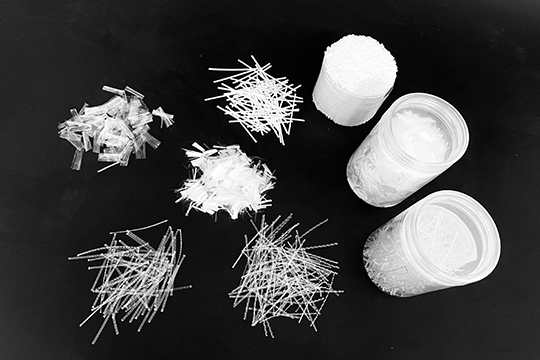
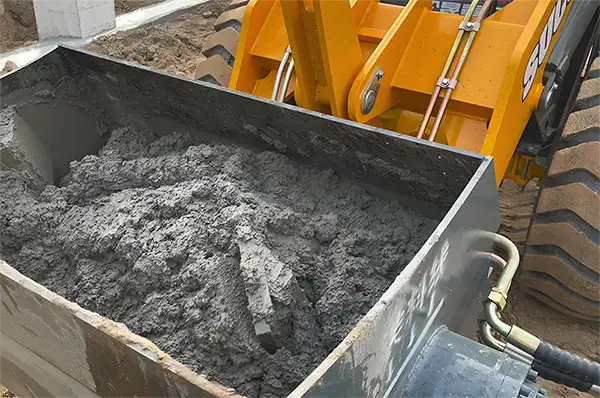
تسمح إضافة ألياف TenaBrix® إلى الهياكل الخرسانية مسبقة الصب باستبدال الفولاذ التقليدي بالكامل في مجموعة متنوعة من التطبيقات، مثل خزانات الصرف الصحي، وأقبية الدفن، وحواجز جيرسي، وهياكل المرافق، وألواح توهين الصوت، وما إلى ذلك. يعمل TenaBrix® على تحسين كفاءة الإنتاج وخفض التكاليف بنجاح في جميع مراحل عملية المشروع.
استُخدمت ألياف TenaBrix® على نطاق واسع لتحل محل حديد التسليح الفولاذي، وتم اختبارها وإثبات صلاحيتها وفقًا لمعايير ASTM ومعايير الاتحاد الأوروبي لهذه التطبيقات.
ما مقدار الألياف PP المضافة إلى الخرسانة مسبقة الصب?
النطاق النموذجي: عادةً ما تكون كمية الألياف PP المضافة إلى الخرسانة مسبقة الصب منخفضة، محسوبة بالحجم أو الوزن:
جرعة الحجم: 0.05% - 0.20%
جرعة الوزن:0.6 كجم/متر مكعب - 1.8 كجم/متر مكعب (النطاق الأكثر شيوعًا هو 0.9 كجم/متر مكعب - 1.2 كجم/متر مكعب).
كيف يتم استخدام ألياف البولي بروبيلين بروبيلين في الخرسانة مسبقة الصب؟
خيارات الألياف:
الأنواع: الألياف أحادية الشعيرات بشكل أساسي (طويلة ورفيعة، وتشتت جيد)، والألياف الشبكية (شبكة مجمعة، والتشتت سهل نسبيًا، وليس من السهل التكتل)، والألياف الأصلية (الشريط، والماء المشتت في خيوط دقيقة).
المواصفات: الطول (عادةً من 12 مم إلى 19 مم، ويستخدم عادةً 12 مم أو 19 مم)، والقطر/قطر مكافئ (منكر)، وقوة الشد، ومعامل المرونة، وينبغي اختيار المواصفات المناسبة وفقًا لنوع المكون وكثافة التعزيز ومعدات الخلط، وعادةً ما يكون للألياف الدقيقة (نسبة L/D العالية) تأثير أفضل في التشتت ومقاومة التشقق.
التصديق: اختر المنتجات التي تحمل اسم العلامة التجارية التي تتوافق مع المعايير ذات الصلة (مثل ASTM C1116، EN 14889-2) وتتمتع بجودة مستقرة.
أضف التوقيت والطريقة:
التوقيت الأمثل: بعد إضافة الركام أو قبل إضافة الماء أو في بداية إضافة الماء. وهذه هي النقطة الأكثر أهمية، فالإضافة في مرحلة الخلط الجاف تسمح بتوزيع الألياف بشكل متساوٍ أثناء إضافة الماء لاحقًا.
عملية محددة:انشر ألياف ال PP الموزونة بالتساوي على الركام الذي يتم خلطه (تجنب التكدس الناتج عن الإغراق دفعة واحدة).
في الخلاط القسري، قم بخلط الركام والألياف الجافة لمدة 30-60 ثانية تقريبًا لضمان التشتت الأولي للألياف.
ثم أضف المساحيق الأخرى مثل الأسمنت والمواد المضافة واخلطها خلطاً جافاً لمدة 30 ثانية أخرى.
أخيرًا، تتم إضافة الماء والمواد المضافة السائلة (مخفضات الماء، إلخ) ويستمر الخلط حتى يصبح متجانسًا (عادةً ما يستغرق الخلط 15-60 ثانية أطول من الخلط التقليدي بدون ألياف، اعتمادًا على كفاءة الخلاط وحجم الألياف).
الحظر: لا تقم بإضافة الألياف مباشرةً إلى الماء أو الخرسانة الرطبة التي تم خلطها بالفعل، فمن السهل جدًا أن تتكتل.
متطلبات الخلط:
خلاط قسري (كوكبي عمودي، أفقي) يجب استخدامها. لا يمكن للخلاط ذاتي السقوط أن يضمن تشتت الألياف بشكل منتظم. قم بإطالة وقت الخلط بشكل مناسب: تأكد من أن الألياف مشتتة بالكامل وموزعة بالتساوي. ومع ذلك، يجب ألا تكون طويلة جدًا لمنع تلف الألياف أو زيادة درجة حرارة الخرسانة. راقب حالة الخرسانة وتأكد من عدم وجود تكتل مرئي للألياف. حجم الخلط: تجنب الخلط القليل جداً للتأكد من وجود مساحة كافية لخلط المواد وخلطها.

 AR
AR  EN
EN  ES
ES  PT
PT  FR
FR