





La fibre de basalte attire l'attention du monde entier en tant que matériau solide, durable et respectueux de l'environnement. Fabriqué directement à partir de roches volcaniques naturelles, il allie d'excellentes performances mécaniques à la durabilité. Aujourd'hui, fibre de basalte est largement utilisé dans les secteurs de la construction, des transports, de l'énergie et de la fabrication industrielle.
Dans ce guide, nous expliquerons ce qu'est la fibre de basalte, comment elle est fabriquée, ses principales propriétés et pourquoi elle est en train de devenir un matériau important dans la construction moderne et les applications industrielles.
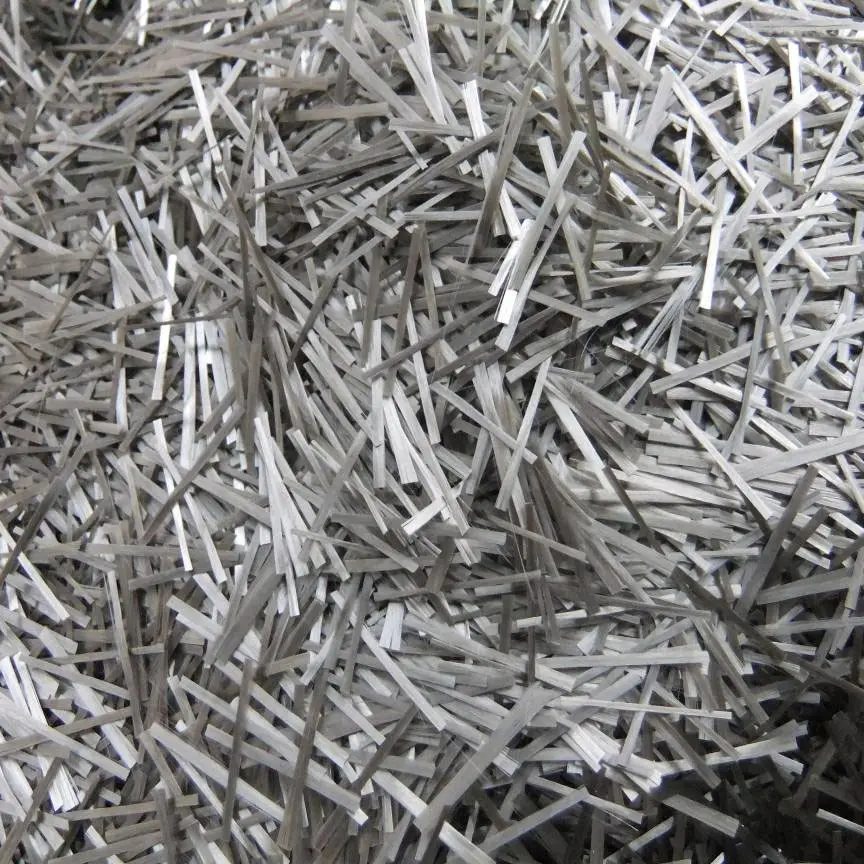
Qu'est-ce que la fibre de basalte ?
La fibre de basalte est une fibre inorganique de haute performance produit à partir de roche basaltique naturelleLe basalte est une pierre volcanique dense, de couleur gris foncé ou noire, formée par des coulées de lave. Le basalte est l'une des roches les plus abondantes sur Terre et est riche en minéraux stables tels que le silicium, l'aluminium, le fer, le calcium et le magnésium.
Pour produire de la fibre de basalte, la roche est fondue à haute température et ensuite étirée. des filaments continus aussi fins que des cheveux humains. Ces fibres peuvent être transformées en mèches, en fils, en tissus, en mailles ou en fibres coupées pour diverses applications.
La fibre de basalte est unique en son genre :
- Il utilise 100% matière première naturelle
- Il ne nécessite pas d'additifs chimiques complexes
- Il offre un équilibre entre résistance, durabilité et respect de l'environnement.
La fibre de basalte étant fabriquée sans ajouter d'autres ingrédients chimiquesIl est largement reconnu comme un matériau vert, écologique et durablesurtout par rapport aux fibres traditionnelles telles que fibre d'acier ou en fibre de carbone.
L'importance de la fibre de basalte dans la construction
Dans les projets de construction réels, les matériaux sont exposés aux contraintes, aux changements de température, à l'humidité et aux attaques chimiques. Au fil du temps, ces facteurs peuvent entraîner des fissures, de la corrosion et des dommages structurels.
La fibre de basalte contribue à résoudre ces problèmes en améliorant :
- Résistance aux fissures dans le béton
- Résistance structurelle
- Durabilité dans les environnements agressifs
D'après notre expérience avec les entrepreneurs et les ingénieurs en matériaux, l'ajout du bon type de fibre peut considérablement prolonger la durée de vie des structures en béton tout en réduisant les coûts d'entretien.
Principales propriétés de la fibre de basalte
La fibre de basalte combine de multiples avantages en termes de performances, ce qui la rend adaptée aux applications exigeantes.
1. Résistance et robustesse élevées
La fibre de basalte a haute résistance à la traction et une bonne résistance aux contraintes mécaniques. Sa résistance est comparable, et parfois supérieure, à celle des fibres de verre traditionnelles. Cela en fait un excellent matériau de renforcement pour les composites et le béton.
Il présente également une bonne ténacité, ce qui signifie qu'il ne se casse pas facilement sous l'effet d'une charge ou d'une vibration.
2. Excellente résistance à la température
L'une des caractéristiques principales de la fibre de basalte est sa capacité à résister à des températures extrêmes.
- Fonctionne dans des environnements aussi bas que 260°C
- Peut résister à des températures allant jusqu'à 700°C pendant de longues périodes
- Une exposition de courte durée à des températures encore plus élevées est possible
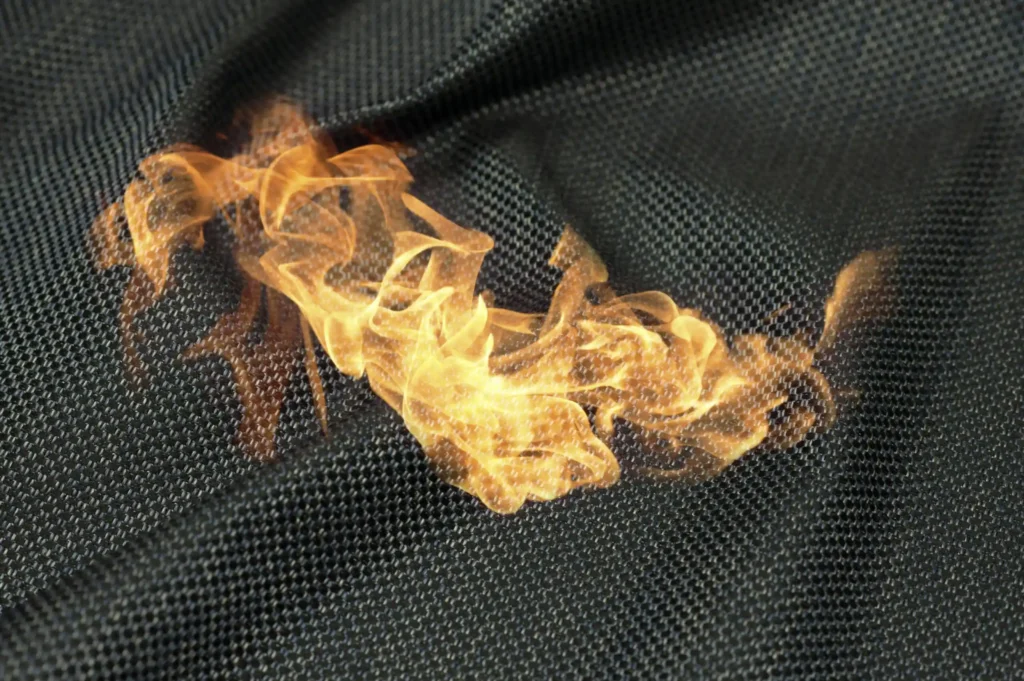
Contrairement à de nombreuses fibres synthétiques, la fibre de basalte ne fond pas, ne coule pas et ne dégage pas de fumées toxiques sous l'effet d'une chaleur élevée, ce qui la rend idéale pour applications résistantes au feu et à haute température.
3. Forte résistance à la corrosion et aux produits chimiques
La fibre de basalte est très performante dans les environnements chimiquement agressifs.
Il résiste aux acides, aux alcalis et aux sels. Il est donc particulièrement adapté pour les environnements marins, les usines chimiques, les structures souterraines et les infrastructures côtièresoù la corrosion est une préoccupation majeure.
Contrairement à renforcement de l'acierLa fibre de basalte ne rouille pas, ce qui améliore considérablement la durabilité à long terme.
4. Bonne isolation électrique
La fibre de basalte est non conducteurIl offre une isolation électrique fiable. Il fonctionne bien dans des conditions sèches et humides, ce qui permet de l'utiliser en toute sécurité dans :
- Composants électriques
- Installations électriques
- Systèmes d'isolation industriels
5. Respectueux de l'environnement et sûr
La durabilité devient un facteur clé dans la sélection des matériaux de construction.
La fibre de basalte se distingue par
- Il est fabriqué à partir de roche volcanique naturelle
- Aucun additif nocif n'est nécessaire
- La production a un impact environnemental relativement faible
- Il est non toxique et sans danger pour l'homme.
Pour les entreprises soucieuses de respecter les normes environnementales, la fibre de basalte est un candidat de choix.
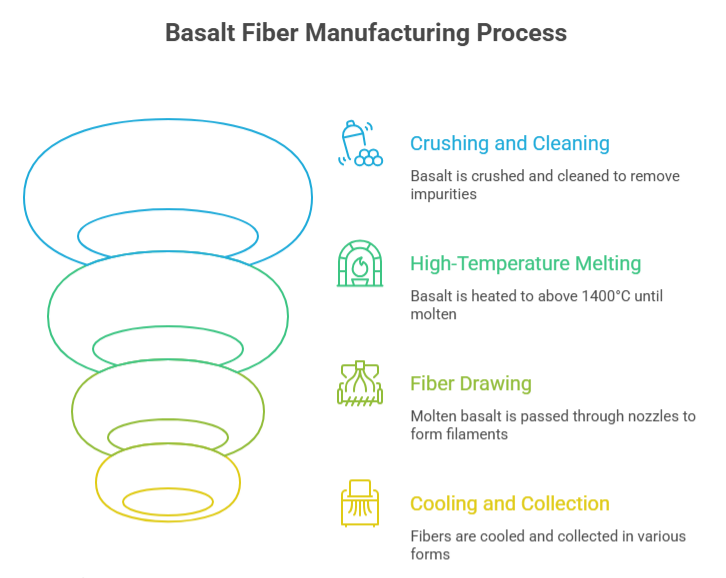
Comment fabrique-t-on la fibre de basalte ?
Le processus de fabrication de la fibre de basalte est relativement simple par rapport à de nombreuses fibres synthétiques.
Étape 1 : Sélection des matières premières
La roche basaltique naturelle de haute qualité est sélectionnée, concassée et nettoyée pour éliminer les impuretés.
Étape 2 : Fusion à haute température
Le basalte est chauffé dans un four à des températures supérieures à 1400°C jusqu'à ce qu'il devienne fondu.
Étape 3 : Dessin de fibres
La matière en fusion passe à travers de petites buses, formant des filaments continus. Ces filaments sont extrêmement fins, semblables à des cheveux.
Étape 4 : Refroidissement et collecte
Les fibres sont refroidies et collectées. Elles peuvent ensuite être transformées en différentes formes telles que :
- Filaments continus
- Fibres hachées
- Fils
- Tissus
L'un des principaux avantages de ce processus est qu'il permet aucun composant chimique supplémentaire n'est nécessairece qui le rend à la fois rentable et respectueux de l'environnement.
Principales applications de la fibre de basalte dans les différentes industries
Grâce à sa combinaison unique de propriétés, la fibre de basalte est utilisée dans de nombreuses industries.
1. Construction et infrastructures
Il s'agit de l'un des domaines d'application les plus importants.
La fibre de basalte est largement utilisée pour :
- Renforcement du béton
- Contrôle des fissures dans les dalles et les chaussées
- Renforcement des ponts et des tunnels
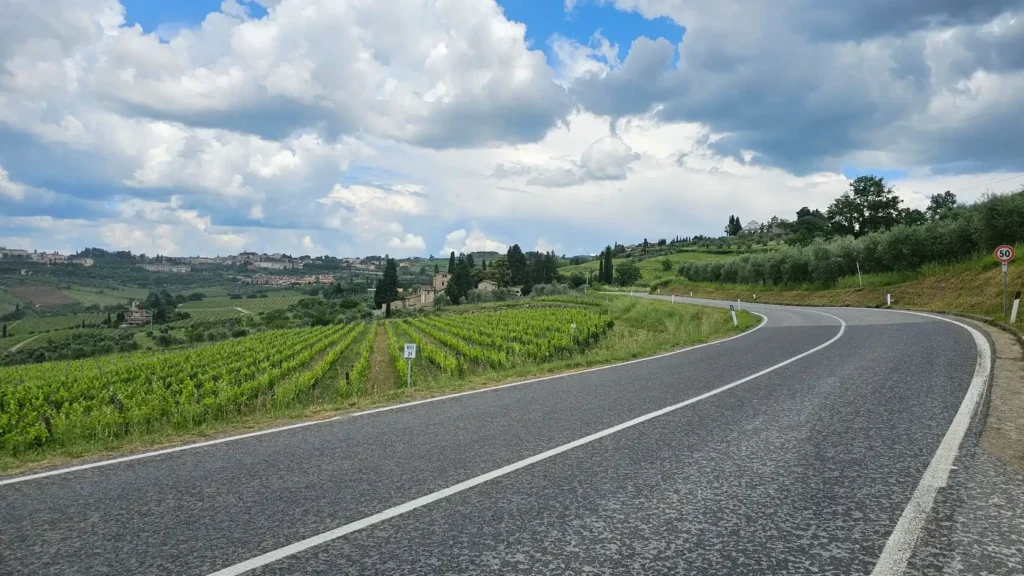
- Route asphaltée et la construction d'autoroutes
Par rapport aux armatures en acier, la fibre de basalte ne rouille pas et a une durée de vie plus longue, en particulier dans les environnements agressifs.
D'après notre expérience, la fibre de basalte est particulièrement efficace pour améliorer la durabilité dans les environnements difficiles où les matériaux traditionnels peuvent échouer.
2. Applications industrielles et de fabrication
La fibre de basalte est utilisée dans les milieux industriels où les matériaux doivent résister à la chaleur et à la corrosion.
Les utilisations typiques sont les suivantes :
- Matériaux d'isolation thermique
- Revêtements résistants à la corrosion pour les tuyaux et les réservoirs
- Matériaux de filtration industrielle
3. Industrie des transports
Les matériaux légers et résistants sont essentiels dans les transports modernes.
La fibre de basalte est utilisée dans :
- Composants automobiles
- Matériaux de construction navale
- Systèmes ferroviaires
Il permet de réduire le poids tout en maintenant la sécurité et les performances.
4. Applications énergétiques et environnementales
La fibre de basalte est également utilisée dans le domaine des énergies renouvelables et de la protection de l'environnement.
En voici quelques exemples :
- Pales d'éoliennes
- Matériaux de structure pour les équipements environnementaux
Sa durabilité et sa résistance aux contraintes environnementales en font un produit idéal pour une utilisation extérieure à long terme.
5. Protection contre l'incendie et applications spéciales
Comme la fibre de basalte ne brûle pas et ne dégage pas de gaz toxiques, elle est largement utilisée dans les applications critiques pour la sécurité :
- Panneaux et tissus résistants au feu
- Matériaux résistants à l'explosion
- Vêtements de protection contre les hautes températures
- Barrières coupe-feu industrielles
Ces applications bénéficient des avantages de la fibre de basalte ininflammabilité et stabilité thermique.
Fibre de basalte et autres fibres
| Comparaison | Fibre de basalte | Autres matériaux | Principaux avantages de la fibre de basalte |
|---|---|---|---|
| Fibre de basalte et fibre d'acier | Ne se corrode pas ; léger ; facile à manipuler | La fibre d'acier peut se corroder ; plus lourd | Meilleure durabilité à long terme, en particulier dans les environnements agressifs ou corrosifs |
| Fibre de basalte vs fibre de verre | Forte résistance chimique ; stabilité à haute température | La fibre de verre est moins résistante aux produits chimiques et à la chaleur | Durée de vie plus longue dans des conditions difficiles |
| Fibre de basalte vs fibres synthétiques (PP, PET) | Haute résistance ; excellente résistance à la chaleur | Les fibres synthétiques sont moins solides et résistent mal à la chaleur. | Plus adapté aux applications structurelles et portantes |
Note:
Bien que la fibre de basalte offre de nombreux avantages, le meilleur matériau de renforcement doit toujours être choisi en fonction des critères suivants exigences spécifiques du projetLes critères d'évaluation sont nombreux, tels que l'environnement, les conditions de charge, le coût et les attentes en matière de durée de vie.
Comment choisir la bonne fibre de basalte
Le choix du bon produit en fibre de basalte dépend de plusieurs facteurs :
- Type d'application (béton, composite, isolation)
- Longueur et diamètre des fibres
- Résistance et durabilité requises
- Conditions environnementales
Par exemple :
- Fibre de basalte hachée est idéal pour le renforcement du béton
- Fibre continue est meilleur pour les matériaux composites
- Tissu basalte est utilisé pour le renforcement des structures
En tant que fabricant, nous recommandons de travailler en étroite collaboration avec les fournisseurs pour adapter le type de fibre à votre application spécifique.
Conclusion : Pourquoi la fibre de basalte a un avenir solide dans la construction
La fibre de basalte n'est pas un matériau comme les autres. Elle représente un changement vers des solutions de construction plus solides, plus durables et plus soutenables.
D'après notre expérience industrielle, de plus en plus d'ingénieurs et d'entrepreneurs adoptent la fibre de basalte parce qu'elle offre des performances fiables, une longue durée de vie, des coûts de maintenance réduits et des avantages pour l'environnement.
À mesure que les besoins en infrastructures augmentent et que les normes environnementales deviennent plus strictes, la fibre de basalte est susceptible de jouer un rôle encore plus important dans l'avenir de la construction.
Vous recherchez un fournisseur fiable de fibres de basalte ?
Si vous vous approvisionnez en fibres de basalte pour la construction ou l'industrie, il est essentiel de choisir le bon fabricant.
Tenabrix fournit :
- Des produits de qualité constante
- Solutions personnalisées pour la fibre optique
- Assistance technique basée sur l'expérience de projets réels
N'hésitez pas à tendre la main pour discuter des besoins de votre projet - nous sommes là pour vous aider à construire des structures plus solides et plus durables.