
 FR
FR  EN
EN  ES
ES  PT
PT  AR
AR As the most widely used building materials in the world, concrete is strong, durable, and cost-effective. However, it has one well-known weakness: it cracks easily.
These cracks may start small, but over time they grow, leading to reduced durability and higher maintenance costs.
To solve these problems, engineers try to add fibers to concrete—to improve its performance. Among them, fibre de basalte, polyacrylonitrile (PAN) fiberet polyvinyl alcohol (PVA) fiber are three of the most widely used types.
So what’s the difference between them? And which one performs better in real construction scenarios?
Why Add Fiber to Concrete?
Simply put, reinforcing fibers act like “invisible rebar,” distributed evenly throughout the concrete.
Their primary functions include:
- Suppressing early-stage shrinkage cracks
- Improving tensile and flexural strength
- Enhancing impact resistance
- Extending service life
Different types of fibers exhibit distinct differences in performance and suitable applications.
Qu'est-ce que la fibre de basalte ?
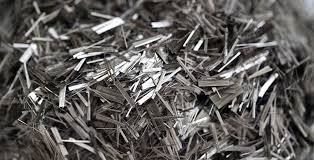
Fibre de basalte is a relatively new material made from roche volcanique naturelle. The rock is melted and drawn into fine filaments.
It is considered an environmentally friendly material because it comes from natural minerals and requires minimal chemical processing.
Key Characteristics
Basalt fiber stands out for its balance of strength and durability:
- Résistance élevée à la traction
- Excellent resistance to heat and corrosion
- Good compatibility with cement-based materials
- Stable performance in harsh environments
Because of these features, basalt fiber is increasingly used in infrastructure projects like roads, bridges, and railways.
What Is PAN Fiber?
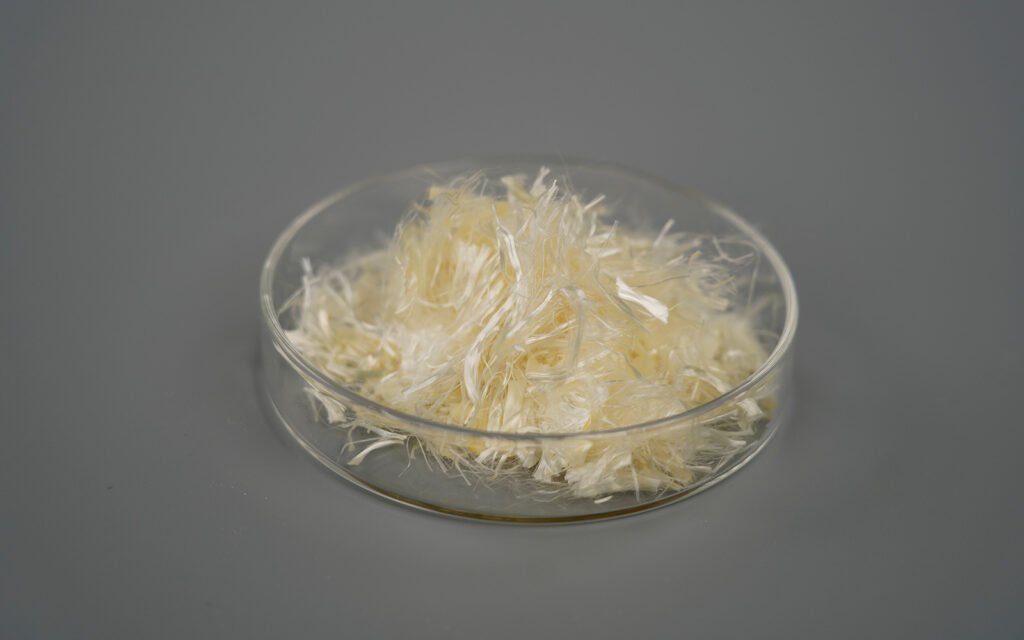
Polyacrylonitrile (PAN) fiber is a synthetic fiber known for its high strength and stiffness.
It is commonly used in applications where strong reinforcement is needed.
Key Characteristics
- Résistance élevée à la traction
- Bonne adhérence au béton
- Effective crack control performance
Fibre PAN is often used in structural applications where improved mechanical performance is required.
What Is PVA Fiber?
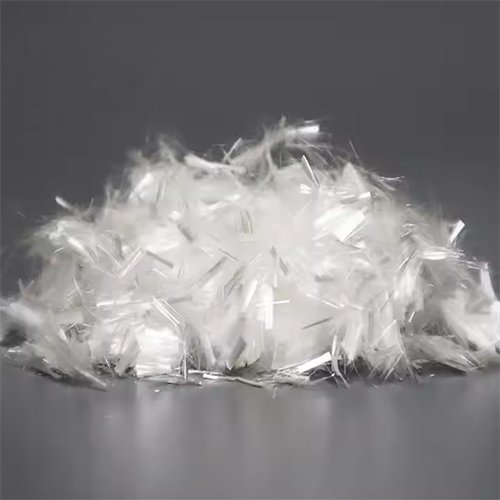
Polyvinyl alcohol (PVA) fiber is another synthetic fiber widely used in construction materials.
It is especially valued for its strong bonding ability with cement.
Key Characteristics
- Excellent adhesion to cement matrix
- Good flexibility
- Effective in controlling fine cracks
PVA fiber is often used in engineered cementitious composites (ECC) and high-performance materials.
How Do These Fibers Affect Concrete Performance?
Now let’s look at how these three fibers influence concrete in real-world conditions.
1. Workability: Does Fiber Affect Mixing and Flow?
When fibers are added in proper amounts, they usually have little effect on how concrete behaves during mixing and pouring. The material remains easy to handle, and the overall construction process does not need major adjustments.
However, adding too much fiber can make the mixture thicker and less fluid. For this reason, controlling the dosage is important to keep a good balance between performance and workability.
2. Strength: Do Fibers Make Concrete Stronger?
Interestingly, fibers do not significantly increase compressive strength, and that is not their main role. Their real value lies in improving how concrete behaves under stress.
Instead, they improve the flexual strength (resistance to bending) and the ability to absorb energy before failure of concrete. This male the matrial tougher and less likely to crack suddenly.
Among the three:
- Basalt fiber provides stable strength performance
- PAN and PVA fibers may slightly influence bending performance over time
3. Crack Resistance: The Most Important Benefit
This is where fibers truly shine. All three fibers help reduce early-age cracking, which is critical for long-term durability.
However, there are still some differences in how they perform:
- Basalt fiber: Strong crack resistance, especially in early stages after pouring
- PAN fiber: Comparable to basalt fiber, very effective
- PVA fiber: Good performance, but slightly less effective in comparison
In real construction projects, basalt fiber and PAN fiber are often chosen when crack control is a top priority.
4. Durability: How Do Fibers Perform Over Time?
Durability determines how well concrete withstands environmental conditions such as freeze-thaw cycles, moisture, and chemical attack.
All three fibers improve durability, but with some differences:
- Basalt fiber: Maintains stable performance without significantly affecting permeability
- PAN fiber: Improves durability but may slightly increase permeability
- PVA fiber: Similar trend, with moderate durability improvement
In cold regions or infrastructure projects, basalt fiber and PAN fiber often show better long-term performance.
Basalt Fiber vs PAN vs PVA: A Simple Comparison
| Aspect | Fibre de basalte | PAN Fiber | Fibre PVA |
|---|---|---|---|
| Main Advantage | Strength and durability | Balance of performance and cost | Crack control and toughness |
| Crack Resistance | Strong | Strong, close to basalt | Best for fine early cracks |
| Strength Performance | Best | Stable | Limited strength gain |
| Durability | Best | Bon | Modéré |
| Workability | May need mixing adjustment | Easiest to disperse | Needs careful control |
| Coût | Higher | Most cost-effective | Higher |
| Best Use | Infrastructure, high-end projects | General practical use | Projects needing high crack resistance |
Summary
- Fibre de basalte: best for strength and durability
- Fibre PAN: best for cost-effectiveness and workability
- PVA fiber: best for crack resistance and toughness
Each fiber has its own strengths, and the best choice depends on your specific application.
Where Are These Fibers Used?
Béton renforcé de fibres is widely used in:
- Roads and highways
- Bridges and tunnels
- Railway infrastructure
- Industrial flooring
- Precast concrete products
In recent years, basalt fiber has gained attention in large-scale infrastructure due to its durability and environmental advantages.
How to Choose the Right Fiber for Your Project
Choosing the right fiber is not about picking the “best” one—it’s about selecting the most suitable option.
In practical engineering applications, you can make your selection based on the following guidelines:
Si votre projet implique infrastructure or general concrete applications, Fibre PAN is a good choice, offering a balance between performance and cost.
Pour projects requiring high durability, such as bridges, seaports, or underground structures, fibre de basalte is a more reliable option.
If the project demands extremely high crack resistance—such as in precision structures or high-performance concrete—PVA fibers are a more suitable choice.
Looking for the Right Fiber Solution?
If you’re exploring fiber-reinforced concrete for your next project, working with an experienced manufacturer can make a big difference.
Au Tenabrix, we provide a range of high-performance construction fibers designed to meet different engineering needs—from crack control to long-term durability.
Feel free to explore more or reach out to find the right solution for your application.
