What Is Denier? Fiber Fineness, Conversions & PP Fiber Selection Guide
Learn what denier means, how to convert D, dtex and tex, and why fiber diameter and geometry matter when selecting TenaBrix polypropylene fibers for concrete reinforcement.
What Is Denier? Fiber Fineness, Conversions & PP Fiber Selection Guide
What Is Denier?
Denier (D or den) is a measurement of linear mass density: the mass in grams of 9,000 meters of fiber or yarn. A 1-denier filament weighs 1 gram per 9,000 meters; a 6-denier filament weighs 6 grams over the same length. When the material and filament geometry are comparable, a higher denier generally indicates a larger cross-sectional area.
In industrial textiles, denier is commonly used to specify yarn fineness. In concrete reinforcement, however, product sheets more often specify fiber diameter in micrometers (µm), length in millimeters (mm), polymer type, and geometry. Understanding the relationship helps buyers read specifications correctly without confusing textile measurements with construction performance.
Denier Formula and Basic Conversions
Denier = (fiber mass in grams ÷ fiber length in meters) × 9,000. For example, if 9,000 meters of a filament weigh 5 grams, its linear density is 5 denier.
Ne (English cotton count): number of 840-yard hanks per pound, usually applied to spun yarn rather than individual concrete-reinforcement filaments. For single yarns, Ne ≈ 5315 / denier.
Denier
Decitex
Tex
Approx. Ne (single yarn)
1 D
1.11 dtex
0.111 tex
5315
3 D
3.33 dtex
0.333 tex
1772
5 D
5.56 dtex
0.556 tex
1063
6 D
6.67 dtex
0.667 tex
886
10 D
11.11 dtex
1.111 tex
532
Note: Ne values are mathematical single-yarn equivalents, not a recommended way to specify concrete fibers. The filament and finished yarn should not be treated as interchangeable.
Denier vs. Fiber Diameter: What Is the Difference?
Denier measures mass per length; diameter measures physical width. The two can be related only after accounting for material density and cross-sectional shape. Two fibers of equal denier made from different polymers can have different diameters.
For an ideal solid circular filament, an approximate relationship is: diameter (µm) ≈ 11.89 × √(denier ÷ density in g/cm³). Equivalently, denier ≈ density × (diameter in µm ÷ 11.89)². These are geometric estimates, not replacements for measured product specifications.
For example, a circular polypropylene filament with a density of approximately 0.91 g/cm³ and diameter of 30–32 µm has an estimated linear density of roughly 5.8–6.6 denier. This is an illustration only; fiber shape, measurement tolerance, and processing can change the result. The estimate must not be interpreted as a separately verified TenaBrix denier specification.
How Does Denier Relate to TenaBrix Polypropylene Fiber?
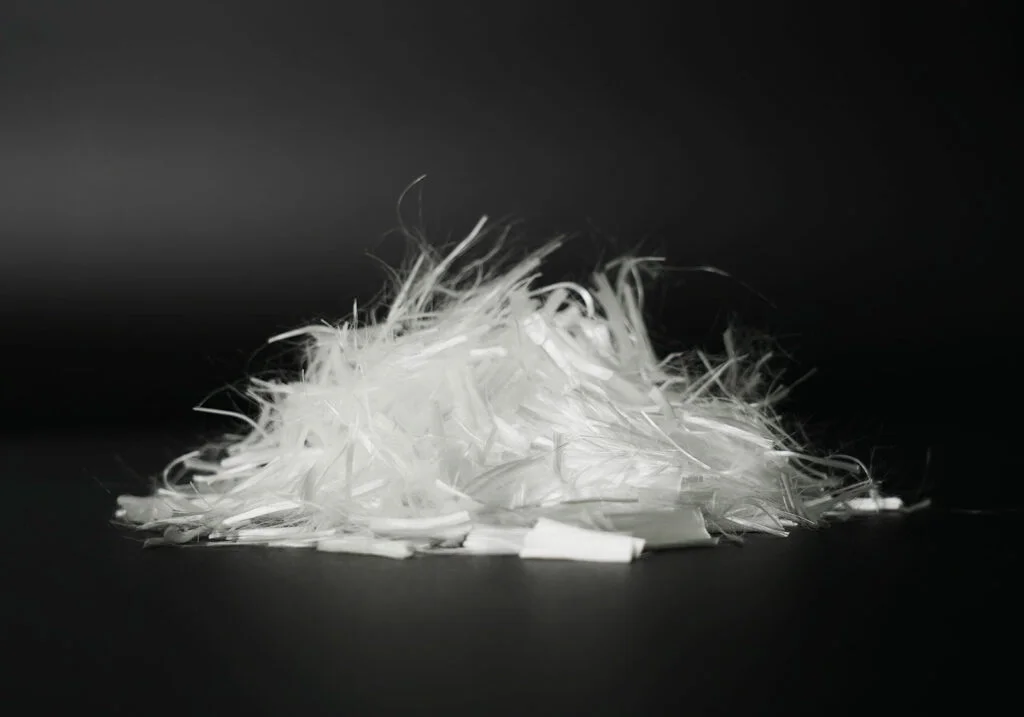
TenaBrix Polypropylene Synthetic Microfiber is supplied with a published diameter specification of 30–32 µm and several length options. For this construction product, the stated diameter and length are more directly useful than a converted denier when checking a technical data sheet.
Other TenaBrix product families are designed for different reinforcement functions:
Polypropylene Synthetic Macrofiber: engineered larger fibers, including surface profiles intended to improve crack bridging and post-crack behavior when appropriately designed and tested.
Twisted Macro-Synthetic Fiber: a distinct fiber geometry for applications where anchorage and residual performance are evaluated.
Important: “microfiber” and “macrofiber” in fiber-reinforced concrete are not simply labels for low-denier and high-denier textile fibers. Fiber diameter, aspect ratio, shape, reinforcement function, and the applicable concrete-fiber standards must be considered together.
Why Fiber Fineness Matters in Concrete Applications
1. Plastic Shrinkage Crack Control
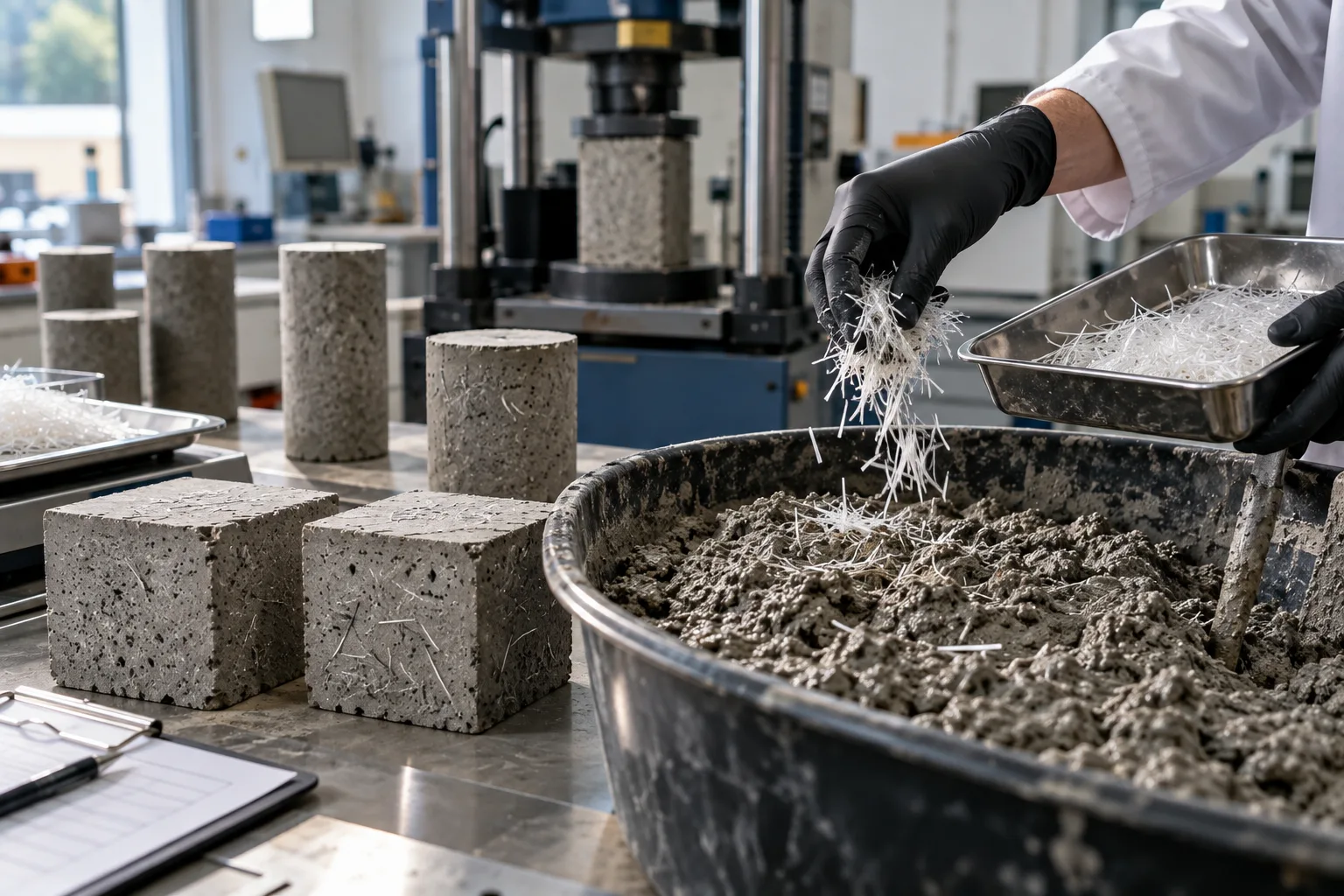
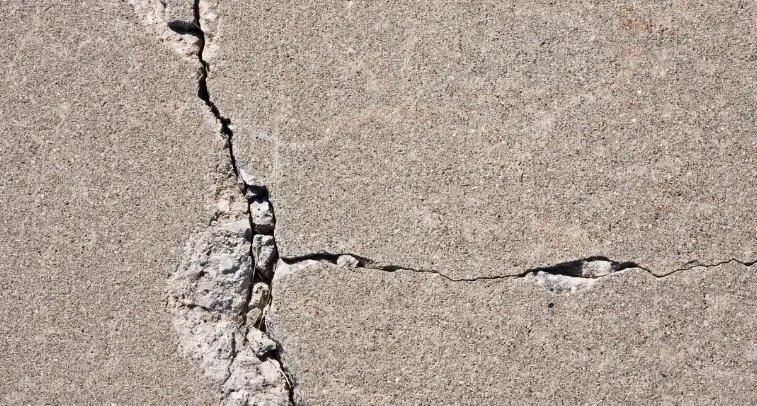
Fine polypropylene microfibers can create a distributed network within a fresh cementitious mixture, helping reduce the formation of plastic shrinkage cracks under appropriate conditions. Their effectiveness depends on dosage, distribution, mixing, finishing, and curing—not denier alone.
2. Dispersion and Workability
Smaller filaments can increase the number of individual fibers per unit mass, but introducing more surface area may also affect mixing or workability. A fiber that looks finer on paper is not automatically easier to disperse. Always follow the supplier’s recommended addition sequence and verify compatibility with the actual mix.
3. Crack Bridging and Residual Strength
Macro-synthetic fibers are selected for different objectives, including crack bridging after the concrete has cracked. Fiber length, cross-sectional shape, anchorage, elastic properties, dosage, and concrete-level residual-strength tests are central to this decision. A higher denier by itself does not establish structural suitability.
4. Application-Specific Specification
For residential slabs, industrial flooring, precast elements, shotcrete, and transportation infrastructure, select fibers according to the actual project requirements. Structural replacement of conventional reinforcement should only be considered with relevant test data and responsible engineering approval.
How to Choose the Right Fiber Specification
When reviewing a fiber product or requesting a quotation, ask for a technical data sheet covering the following:
Polymer composition and fiber type
Measured fiber length and diameter or equivalent dimensions, with tolerances
Monofilament, fibrillated, embossed, curved, or twisted geometry
Tensile properties and other relevant fiber-level characteristics
Proposed dosage range, mixing guidance, and workability considerations
Concrete-level performance test data relevant to the project
Packaging, traceability, and available customization
Denier is valuable where the commercial specification is based on filament or yarn linear density, such as polypropylene multifilament yarn. For concrete reinforcement, begin with the required concrete performance and the product’s construction-focused technical specification.
Frequently Asked Questions
Is denier the same as microns?
No. Denier is mass per unit length; microns measure a physical dimension. Converting between them requires polymer density and assumptions about filament geometry.
Does lower denier always mean better concrete reinforcement?
No. Fine microfibers and larger macrofibers address different performance goals. The best choice depends on crack-control needs, required residual performance, mix design, and project specifications.
Can I use a textile denier rating to choose concrete fibers?
Not on its own. Check fiber length, diameter, geometry, application-specific testing, and the supplier’s technical information. Textile yarn counting systems are not substitutes for concrete reinforcement design.
What is the diameter of TenaBrix polypropylene synthetic microfiber?
The published product page lists a 30–32 µm diameter. Confirm the current technical data sheet for the exact grade and batch being quoted.
What should I ask TenaBrix before ordering?
Share your application, concrete or mortar mix, fiber performance requirements, proposed dosage, and any relevant project standards so the correct product family and evaluation approach can be discussed.
Explore TenaBrix Fiber Solutions
Understanding denier is useful for interpreting fiber specifications, but successful construction reinforcement starts with the right fiber for the job. Explore TenaBrix fiber products or contact the TenaBrix team to request technical documentation and discuss a sample evaluation for your project.