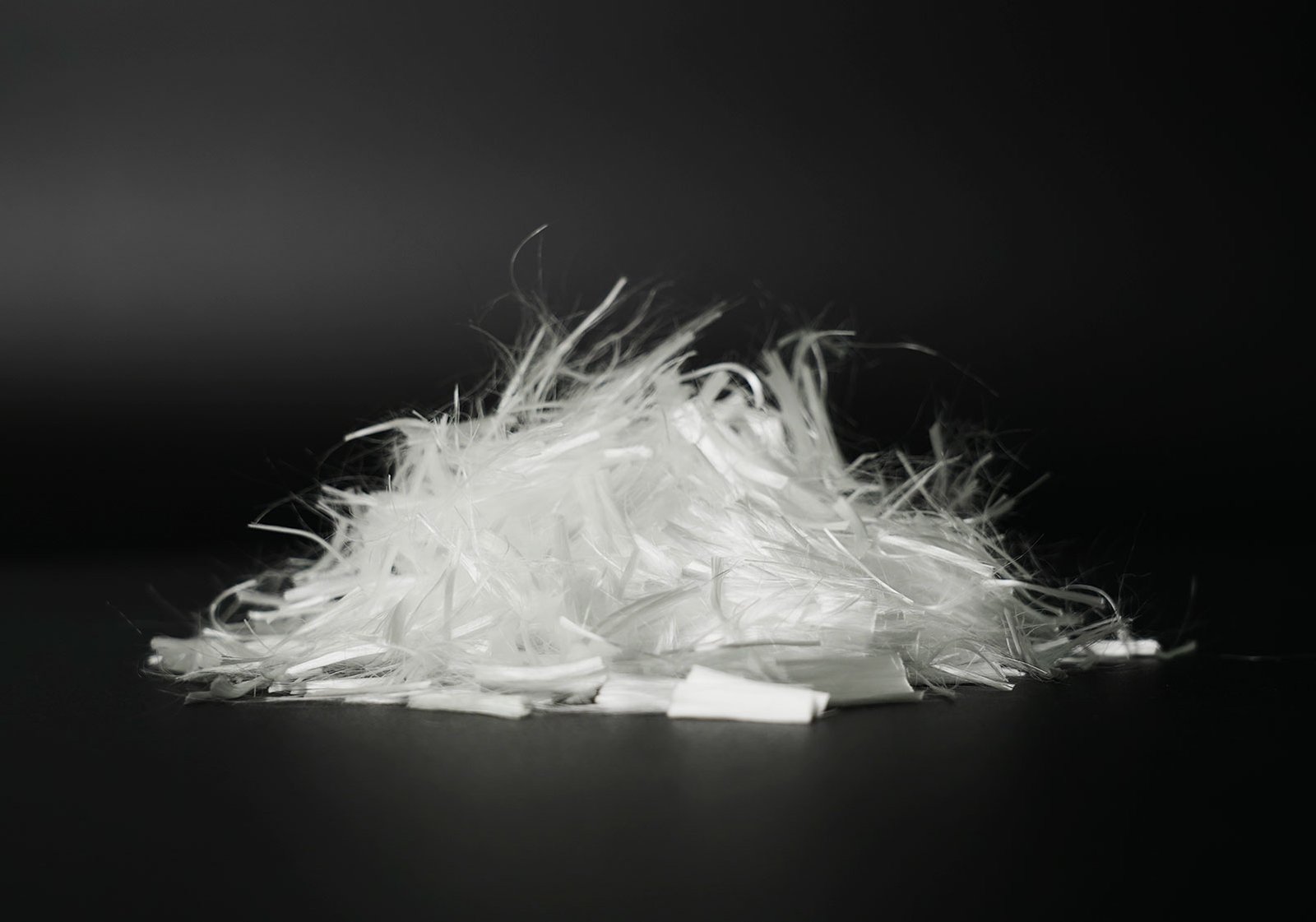










Fiber reinforcement for stronger, more efficient prefabrication.
TenaBrix polypropylene fibers help control cracks, improve durability, and optimize production efficiency in precast concrete manufacturing.
Fiber reinforcement for stronger, more efficient prefabrication.
TenaBrix polypropylene fibers help control cracks, improve durability, and optimize production efficiency in precast concrete manufacturing.
Precast elements face unique demands in production and service. TenaBrix fibers help address key challenges for higher quality and more reliable products.


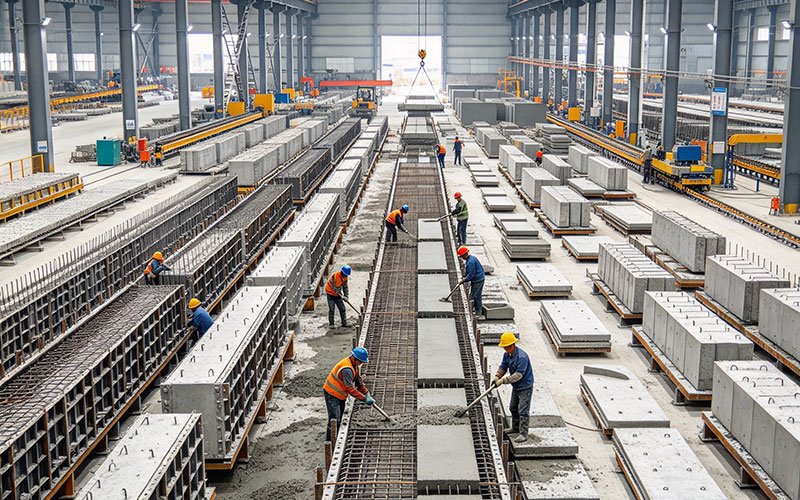
TenaBrix polypropylene fibers are designed to reduce shrinkage cracking, improve durability, and support consistent, efficient production in precast concrete.
TenaBrix fibers are widely used in a variety of precast concrete elements for infrastructure, municipal and architectural projects.
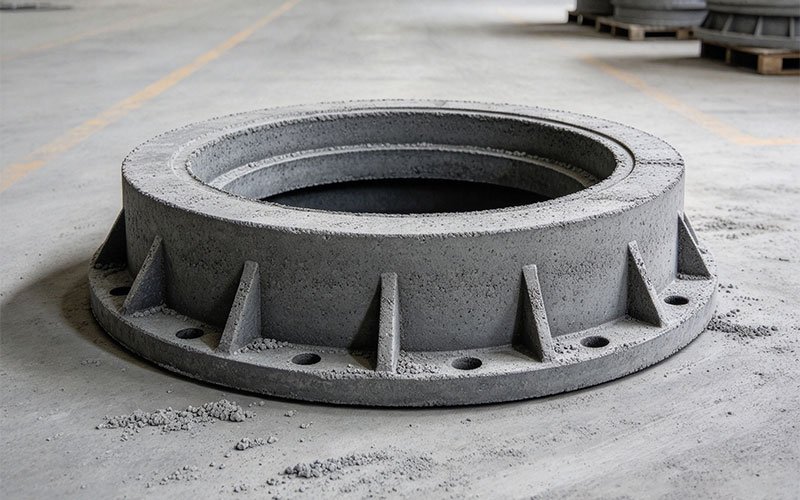


TenaBrix fibers deliver real value for precast producers by improving performance, simplifying production, and ensuring consistent quality.
Get quick answers to common questions about using TenaBrix fibers in precast concrete.

Incorrect feeding method (dumping all fibers in at once); fibers should be scattered and dispersed, dry-mixed with aggregates for 30–60 seconds before adding cementitious materials and water, and mixed using a forced-action mixer—avoid dropping them directly into wet mortar.
Fibers absorb mortar and increase internal friction; compensate by using polycarboxylate superplasticizers within the tested mix design range. Strictly prohibit unauthorized addition of water on-site; conduct trial mixes beforehand.
Incorrect timing for surface finishing or excessive troweling causes fibers to float to the surface; control vibration time, avoid repeated troweling of the surface layer, and perform a single finishing pass before initial set.
Insufficient mixing time or incorrect feeding sequence; extend mixing time by 30–60 seconds compared to standard concrete. Prioritize forced-action mixers over gravity (free-fall) mixers.
Micro PP fibers primarily control plastic shrinkage cracks and do not replace structural steel reinforcement; excessive dosage affects density and strength—standard dosage is 0.6–1.2 kg/m³, determined via trial mixes.