What Is Polypropylene Multifilament Yarn?
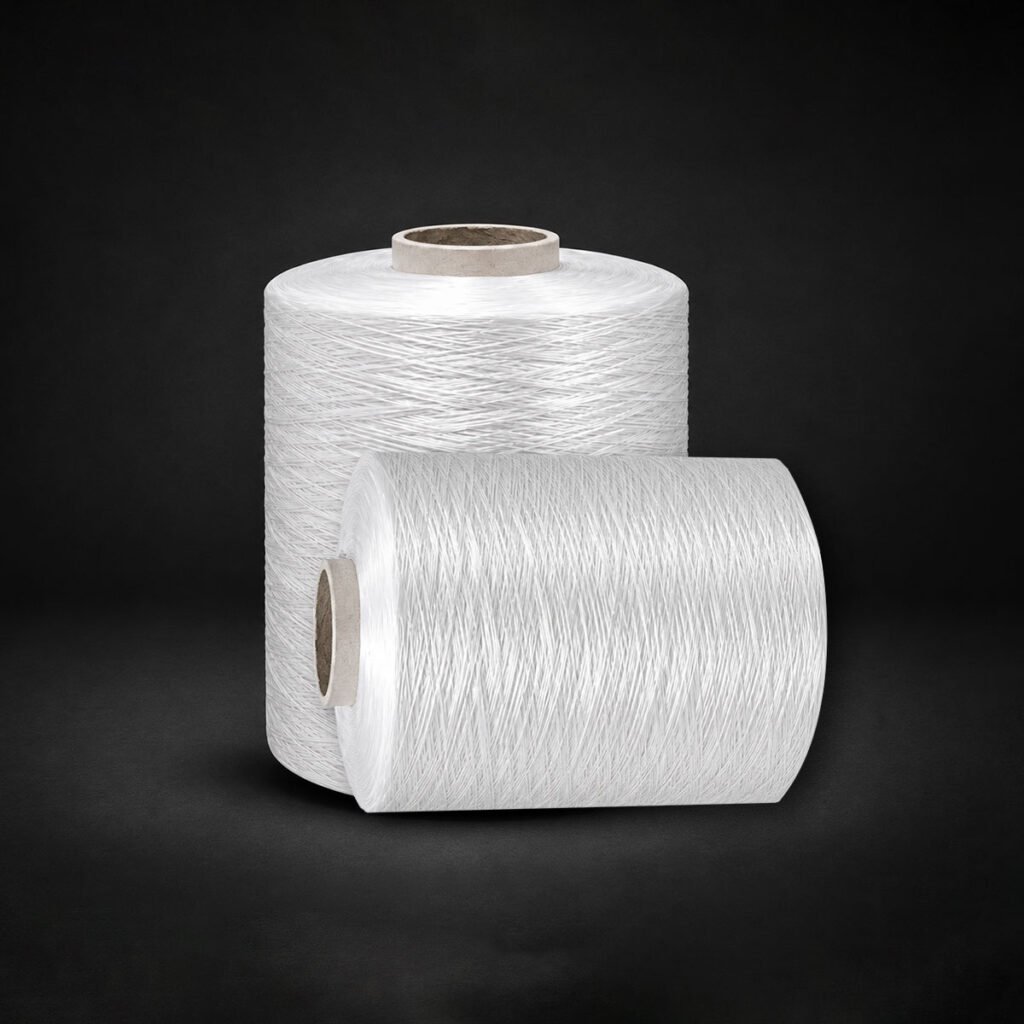
Polypropylene multifilament yarn is made by bringing together multiple continuous PP filaments to form one yarn bundle. Melt spinning and drawing create the filaments, while downstream processing can produce flat, twisted or air-intermingled constructions. Filament count, linear density, twist and finishing influence the way a yarn runs through weaving, braiding or rope-making equipment.
Polypropylene has a relatively low density of approximately 0.91 g/cm³ and absorbs very little moisture. These properties help explain its use in lightweight cordage, industrial webbing and other technical textile constructions. Resistance to many common acids and alkalis can be useful, although compatibility depends on the specific chemical, concentration, temperature and exposure duration.
The advantages are not universal. Unprotected PP can lose performance after prolonged UV exposure; sustained loads can cause creep; and temperatures that are routine for some polyester processes may be unsuitable for PP. Buyers should therefore distinguish a material’s general characteristics from the tested performance of a particular yarn grade.
Where Is PP Multifilament Yarn Used in Industrial Textiles?
1. Industrial Ropes, Cords and Braided Lines
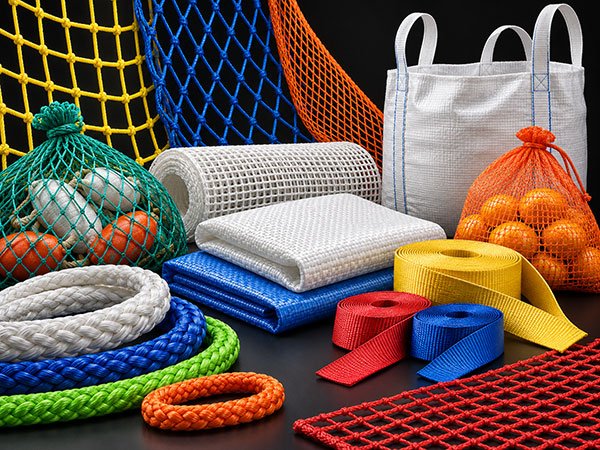
Continuous PP filament yarn can be twisted or braided into ropes and cords for handling, bundling, marine-related and general industrial applications. Low density supports lightweight constructions and can provide buoyancy in suitable rope designs. The relevant design questions include required breaking load, abrasion, knot or splice behavior, wet handling, service temperature and long-term exposure.
For rope products, refer to the current ISO 9554:2019 general specifications together with the applicable product-specific rope standard. A yarn’s nominal tenacity is not a substitute for testing the assembled rope.
2. Narrow Woven Webbing, Straps and Binding Tapes
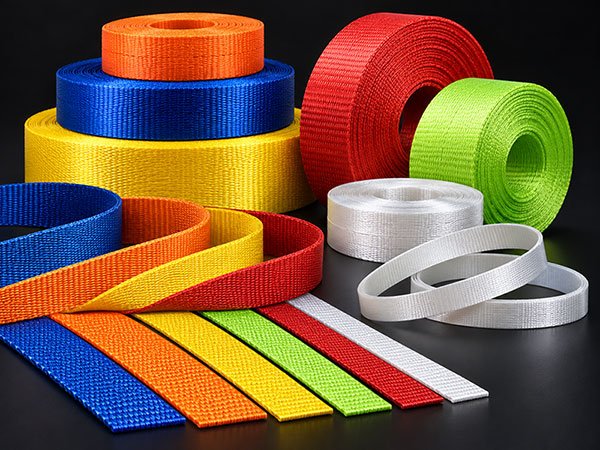
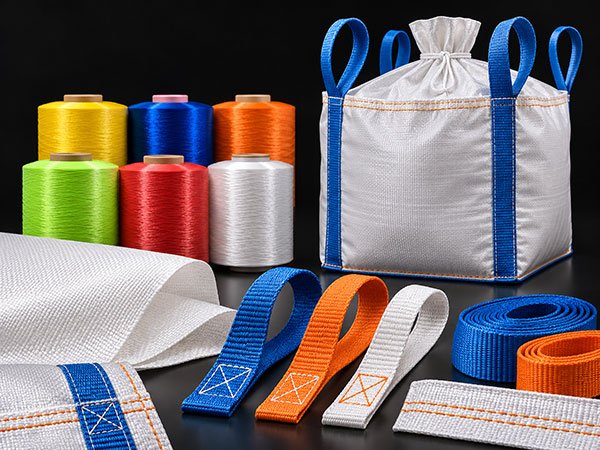
In woven webbing and industrial straps, manufacturers often prioritize consistent yarn linear density, controlled elongation, even color and reliable performance through warping and weaving. The optimal yarn twist or air-intermingling level depends on the weaving equipment and desired fabric structure.
Webbing used in load-bearing or safety-critical assemblies requires evaluation of the finished construction—including sewing, edges, hardware and attachment points—not simply a yarn datasheet.
3. Geotextiles and Other Technical Fabrics
PP multifilament yarn can be selected for woven technical fabrics where low weight, low moisture uptake and chemical compatibility are desirable. Potential applications include certain geotextiles, filtration or separation textiles and industrial fabrics. Whether a particular construction is suitable depends on tensile properties, puncture resistance, hydraulic behavior, durability and the project’s specified testing requirements.