





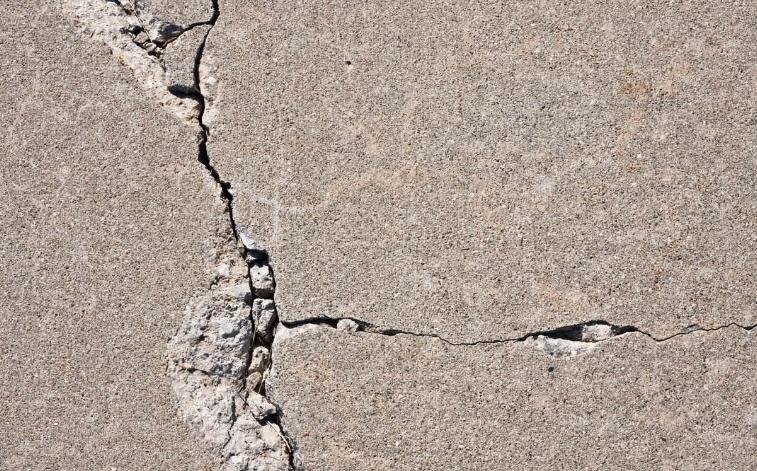
El hormigón es fuerte, pero no es perfecto. Una de sus mayores debilidades es agrietamiento.
Este problema se agrava en regiones secas, ventosas o frías. Suelen aparecer pequeñas grietas poco después del vertido. Con el tiempo, crecen. Esto afecta a la durabilidad y aumenta los costes de mantenimiento.
Para resolver este problema, muchos ingenieros recurren a una solución sencilla: añadir fibra de poliacrilonitrilo al hormigón.
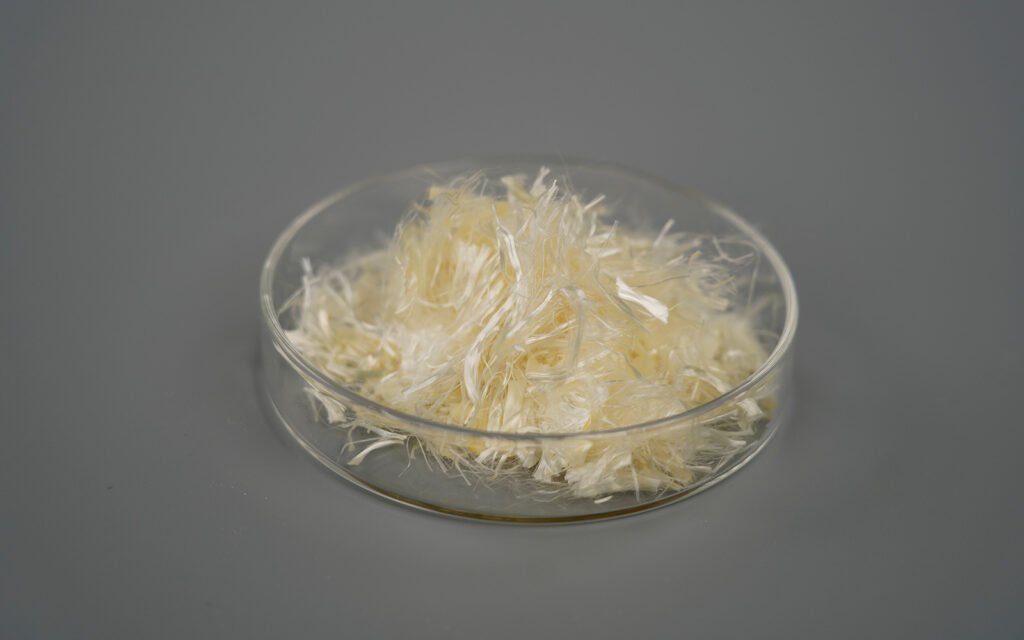
¿Qué es la fibra de poliacrilonitrilo?
Información básica:
- Nombre químico: Fibra de poliacrilonitrilo
- Composición: 100% Poliacrilonitrilo
- Aspecto: Amarillo claro
- Resistencia a la tracción: ≥ 500 MPa
- Resistencia al calor: ≥ 200 ℃
- Resistencia química: Estable frente a la mayoría de productos químicos, alcoholes, aceites e hidrocarburos.
Fibra de poliacrilonitriloa menudo llamado Fibra PANes un material sintético de gran resistencia y estabilidad.
Parecen filamentos muy finos y cortos. Cuando se mezclan con el hormigón, estas fibras se extienden uniformemente por todo el material. Forman una red interna invisible.
Esta red es la clave para mejorar el rendimiento del hormigón.
La fibra de PAN es conocida por su gran resistencia a la tracción. También se adhiere bien al cemento. Resiste el calor y los ataques químicos. Estas propiedades la hacen adecuada para entornos de construcción difíciles.
¿Cómo actúan las fibras de poliacrilonitrilo en el hormigón?
Las fibras de poliacrilonitrilo (PAN) mejoran el rendimiento del hormigón de varias formas sencillas pero eficaces. Principalmente, ayudan a reducir las fisuras, aumentan la resistencia y mejoran la durabilidad, sobre todo en entornos difíciles.
1. Reducción del agrietamiento precoz
Es más probable que el hormigón se agriete entre el vertido y el endurecimiento. Durante este tiempo, el agua se evapora de la superficie, lo que hace que el hormigón se contraiga y cree tensiones internas.
Cuando se añaden fibras PAN, se extienden uniformemente por todo el hormigón y actúan como pequeños puentes dentro del material. Estas fibras ayudan a equilibrar y reducir el estrés internoque retrasa o evita la formación de grietas plásticas tempranas.
En proyectos reales, los muros y losas de hormigón que contienen fibras PAN muestran muchas menos grietas finas y, en algunos casos, ninguna grieta visible, en comparación con el hormigón ordinario.
2. Mejora de la resistencia del hormigón
Las fibras PAN también pueden aumentar la resistencia del hormigón. Su efecto sobre la resistencia a la tracción y a la rotura es aún más significativo. A medida que aumenta la dosificación de fibras, mejora mucho la resistencia a la fisuración. Las fibras mantienen unido el hormigón cuando empiezan a formarse grietas, impidiendo que se extiendan.
Las fibras más largas son más eficaces que las más cortas, sobre todo para mejorar la resistencia a la flexión y a la tracción. Por ejemplo, el uso de fibras PAN de 18-20 mm de longitud puede mejorar notablemente tanto la fuerza como la resistencia.
3. Mejorar la resistencia a las heladas y la durabilidad
Las fibras de poliacrilonitrilo tienen propiedades moleculares especiales que ayudan al hormigón a adaptarse a los cambios de temperatura. Se contraen ligeramente a altas temperaturas y resisten la contracción a temperaturas muy bajas (incluso por debajo de -40 °C). Este comportamiento ayuda a contrarrestar la expansión y contracción naturales del hormigón provocadas por los cambios de temperatura. Como resultado, el hormigón con fibras PAN tiene una resistencia a las heladas y una durabilidad a largo plazo mucho mayores, lo que lo hace especialmente adecuado para su uso en regiones frías.
En resumen, las fibras de poliacrilonitrilo actúan controlando la fisuración, reforzando la estructura del hormigón y mejorando la resistencia a los daños por temperatura, lo que da lugar a un hormigón más duradero y fiable. Además, pp fibras y fibras de acero también puede utilizarse para refuerzo de hormigón.
Cómo se utiliza la fibra PAN en la práctica
Una ventaja de la fibra PAN es su sencillez. No requiere grandes cambios en los métodos de construcción estándar.
En la mayoría de los casos, la dosis es de 0,9 kilogramos por metro cúbico de hormigón. Esta cantidad es suficiente para crear una red interna eficaz.
El proceso de mezcla también es sencillo. La fibra se añade junto con los áridos y se mezcla antes de introducir el agua y el cemento. Una mezcla adecuada garantiza que las fibras se distribuyan uniformemente.
Una vez mezclado, el hormigón puede transportarse, verterse y curarse de la forma habitual.
Hay que tener en cuenta un pequeño ajuste. La adición de fibra aumenta ligeramente la cohesividad y reduce la fluidez. En lugar de añadir más agua, es mejor ajustar los aditivos como reductores de agua. Esto ayuda a mantener tanto la trabajabilidad como la resistencia.
Aplicaciones de la fibra de poliacrilonitrilo en el hormigón
Las fibras de poliacrilonitrilo (PAN) se utilizan en muchos tipos de estructuras de hormigón en las que son importantes el control de grietas, la resistencia y la durabilidad. Como las fibras son fáciles de mezclar y funcionan bien con el hormigón ordinario, pueden aplicarse tanto en proyectos de construcción como de infraestructuras.
1. Estructuras de los edificios
El hormigón reforzado con fibra PAN se utiliza habitualmente en muros, forjados, suelos y cubiertas. En estas partes de un edificio, el agrietamiento prematuro causado por la retracción es un problema común. La adición de fibras PAN ayuda a reducir las grietas superficiales, mejora la integridad y da como resultado una superficie de hormigón más lisa y duradera.
2. Puentes e infraestructuras de transporte
En puentes, pavimentos y otras estructuras de transporte, el hormigón está expuesto a cargas repetidas, cambios de temperatura y efectos ambientales. Las fibras PAN ayudan a controlar el agrietamiento y mejoran la resistencia a la fatiga y a los daños por heladas, lo que prolonga la vida útil de estas estructuras y reduce las necesidades de mantenimiento.
3. Estructuras hidráulicas y marinas
El hormigón utilizado en presas, canales, puertos y estructuras costeras debe soportar la humedad, las variaciones de temperatura y la exposición ambiental a largo plazo. Las fibras PAN mejoran la resistencia a las grietas y la durabilidad, ayudando a prevenir la penetración del agua y el deterioro de la superficie en estas exigentes condiciones.
4. Entornos de regiones frías y de congelación-descongelación
Como las fibras PAN mejoran la resistencia a las heladas, son especialmente adecuadas para el hormigón utilizado en regiones frías. Ayudan al hormigón a resistir los daños causados por los ciclos de congelación y descongelación, por lo que son ideales para cimientos, muros de contención y estructuras exteriores en climas de bajas temperaturas.
5. Hormigón de reparación y para usos especiales
Las fibras PAN también se utilizan en morteros de reparación, recubrimientos y elementos finos de hormigón en los que resulta difícil colocar el refuerzo tradicional. Las fibras mejoran la tenacidad y el control de las fisuras, lo que las hace útiles para reforzar estructuras existentes y para aplicaciones especiales que requieren un hormigón duradero y resistente a las fisuras.
En general, las fibras de poliacrilonitrilo se aplican ampliamente en proyectos de hormigón que exigen un mejor control de las grietas, durabilidad y rendimiento a largo plazo.

Más aplicaciones industriales de las fibras de poliacrilonitrilo (PAN)
Además de en la industria de la construcción, las fibras de poliacrilonitrilo (PAN) se utilizan ampliamente en muchos otros campos debido a su gran resistencia, estabilidad química, resistencia al calor y buena compatibilidad con distintos materiales.
1. Industria textil y de la confección
Las fibras de PAN son una materia prima importante para fibras acrílicas Se utiliza en prendas de vestir, mantas, alfombras y tapicerías. Son ligeras, suaves y cálidas, con buena resistencia a la luz solar y a la intemperie. Debido a estas propiedades, las fibras con base de PAN se utilizan a menudo como alternativa a la lana en jerséis y prendas de invierno.
2. Producción de fibra de carbono
Una de las aplicaciones más importantes de las fibras de PAN es como precursor de fibras de carbono. Las fibras de carbono a base de PAN se utilizan ampliamente en las industrias aeroespacial, automovilística, de energía eólica y de equipamiento deportivo. Ofrecen una resistencia extremadamente alta, un peso reducido y una excelente resistencia a la fatiga, lo que las hace ideales para componentes estructurales de alto rendimiento.
3. Filtración y protección del medio ambiente
Las fibras de poliacrilonitrilo se utilizan en materiales de filtración de aire y líquidos, como tejidos filtrantes industriales, membranas de tratamiento de aguas y sistemas de captación de polvo. Su resistencia química y su estructura de fibras finas les permiten capturar eficazmente partículas e impurezas manteniendo una buena permeabilidad.
4. Aplicaciones médicas y sanitarias
En el campo médico, las fibras de PAN se utilizan en artículos como apósitos para heridas, textiles médicos y membranas de filtración para la purificación de la sangre y la diálisis. Su estabilidad y capacidad de modificación las hacen adecuadas para entornos higiénicos y controlados.
5. Materiales industriales y de protección
Las fibras PAN se utilizan en cuerdas, correas, materiales aislantes y tejidos de protección. Presentan una buena resistencia a los productos químicos, el calor y el desgaste, lo que las hace adecuadas para su uso en entornos industriales difíciles, como plantas químicas y lugares de trabajo a altas temperaturas.
6. Energía y campos de tecnología avanzada
Las fibras de PAN también se utilizan en baterías, supercondensadores y otros dispositivos de almacenamiento de energía, principalmente como material base para electrodos tras la carbonización. Su estructura estable y sus buenas propiedades eléctricas favorecen el desarrollo de tecnologías energéticas avanzadas.
En resumen, las fibras de poliacrilonitrilo son materiales versátiles con aplicaciones que van mucho más allá de la construcción, ya que desempeñan un papel importante en los sectores textil, de materiales de alto rendimiento, de protección del medio ambiente, sanitario y de tecnología avanzada.
Trabaje con un proveedor de fibra fiable - Tenabrix
Si su proyecto requiere un mejor control de las grietas y un rendimiento a largo plazo, es esencial elegir la fibra adecuada.
En Tenabrixnos centramos en fibras de hormigón de alto rendimiento diseñadas para condiciones de construcción reales. Nuestra fibra de poliacrilonitrilo está diseñada para una dispersión uniforme, una unión fuerte y unos resultados fiables.
Si desea mejorar su rendimiento concreto sin cambiar su flujo de trabajo, estamos aquí para ayudarle.