





Calcular correctamente la dosis de fibra es una de las decisiones más importantes en cualquier diseño de mezcla de hormigón. Si se utiliza muy poca fibra, no se conseguirá el control de fisuras ni el comportamiento estructural necesarios. Si se utiliza demasiada, se corre el riesgo de sufrir problemas de trabajabilidad, de acabado superficial y de incurrir en costes innecesarios.
Esta guía te ofrece dosis concretas (nunca mejor dicho) para cada tipo de fibra y aplicación principal, respaldadas por la experiencia práctica adquirida en miles de proyectos en todo el mundo.
Referencia rápida: Si tienes prisa, ve directamente a la Tabla de referencia de dosificación por aplicación a continuación.
Por qué la dosis de fibra es más importante de lo que crees
La dosis de fibra suele expresarse en kilogramos por metro cúbico de hormigón (kg/m³), o, en ocasiones, como un fracción volumétrica (Vf %).
La dosis que elijas influye directamente en:
- Rendimiento en el control de grietas — La dosificación insuficiente es la causa principal del fallo del refuerzo de fibra #1
- Capacidad de carga tras la aparición de fisuras — algo especialmente importante en el caso de las fibras macrosintéticas y las fibras de acero
- Trabajabilidad y bombeabilidad — unas dosis más elevadas pueden aumentar la rigidez si no se ajusta la composición de la mezcla
- Calidad del acabado superficial — especialmente importante para el hormigón arquitectónico y los suelos pulidos
- Coste total — La fibra suele venderse por kilo, por lo que la dosis influye directamente en el coste
La mayoría de los ingenieros y contratistas tienden a utilizar una dosis inferior a la necesaria porque la fibra parece cara si se calcula por saco. La realidad es que el coste de una losa agrietada —ya sea el reamolado, la inyección de epoxi o la sustitución completa— es mucho mayor.
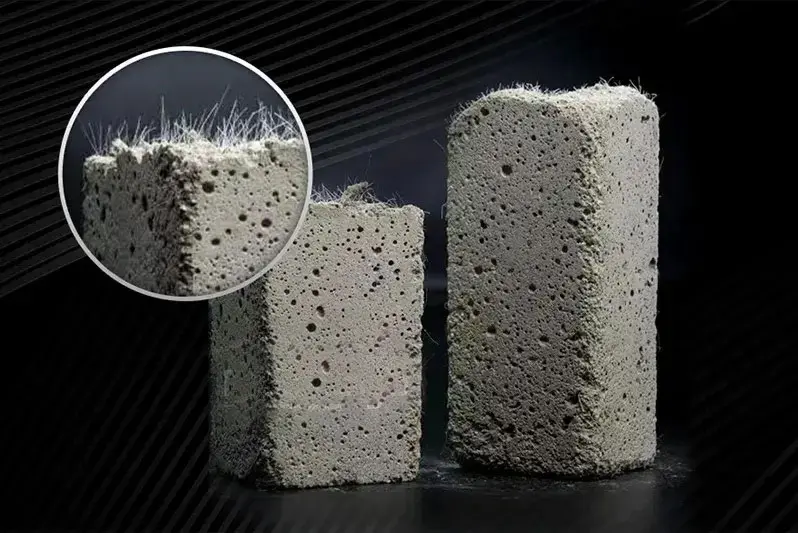
Aporte de fibra: definición de términos clave
| Término | Definición |
|---|---|
| Dosis | Cantidad de fibra añadida por metro cúbico de hormigón (kg/m³) |
| Fracción volumétrica (Vf%) | Volumen de fibra como porcentaje del volumen total del hormigón (1 kg/m³ ≈ 0,067% Vf para la fibra de PP) |
| Dosis mínima eficaz | La dosis mínima que permite obtener una mejora cuantificable del rendimiento |
| Dosificación estructural | Dosis a la que la fibra puede sustituir o reducir el refuerzo tradicional |
| Sistema híbrido | Combinación de microfibras (para el control de fisuras) y macrofibras (estructurales) en la misma mezcla |
Tipos de fibra y sus rangos de dosificación habituales
Los distintos tipos de fibra se utilizan en proporciones fundamentalmente diferentes debido a las diferencias en su densidad, módulo de elasticidad y mecanismo de refuerzo.
Fibra sintética microfibra (polipropileno / poliéster)
Las microfibras son fibras finas y cortas (6–19 mm), ya sean monofilamentos o fibras fibriladas, que controlan principalmente contracción plástica y agrietamiento precoz.
- Dosis típica: 0,6 – 1,5 kg/m³
- Dosis mínima eficaz: 0,6 kg/m³
- Límite práctico superior: 2,0 kg/m³ (por encima de este valor, la trabajabilidad disminuye considerablemente)
- Fracción volumétrica: 0,04% – 0,10% Vf
Producto TenaBrix: Microfibra de polipropileno — disponible en longitudes de 6 mm, 12 mm y 19 mm
Fibra sintética Macro (grado estructural)
Las macrofibras son fibras de mayor tamaño, con relieve o perfiladas (de 30 a 60 mm de longitud) que proporcionan refuerzo estructural posterior a la fisuración. En dosis suficientes, pueden sustituir parcial o totalmente a la malla de acero o a las fibras de acero.
- Dosis típica: 3 – 10 kg/m³
- Uso estructural ligero (puenteo de grietas): 3 – 5 kg/m³
- Uso estructural moderado (sustitución de la malla): 5 – 7 kg/m³
- Alto uso estructural (sustitución de la fibra de acero): 7 – 10 kg/m³
- Fracción volumétrica: 0,27% – 0,90% Vf
Producto TenaBrix: Macrofibra de polipropileno — Fibras en relieve de 48 mm y 54 mm; conforme a la norma EFNARC
Fibra de acero
Las fibras de acero ofrecen la mayor resistencia tras la aparición de grietas y se utilizan en las aplicaciones estructurales más exigentes.
- Dosis típica: 20 – 80 kg/m³
- Suelos estándar: 20 – 35 kg/m³
- Revestimiento segmentado de túneles: 30 – 45 kg/m³
- Cargas extremas (explosión, impacto): 60 – 80 kg/m³
- Fracción volumétrica: 0,25% – 1,0% Vf
Nota: La fibra de acero tiene una densidad mucho mayor que la fibra sintética (~7,85 g/cm³ frente a ~0,91 g/cm³), por lo que las dosis expresadas en kg/m³ parecen mucho más elevadas incluso con fracciones de volumen similares.
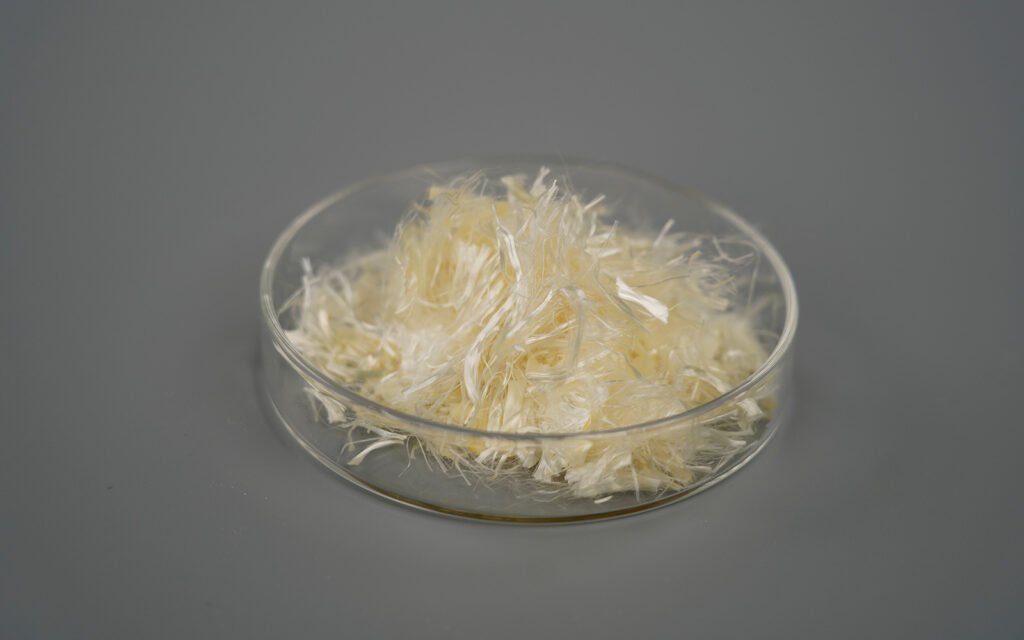
Fibra PAN (Poliacrilonitrilo)
La fibra PAN es una fibra especial de alto rendimiento que se utiliza en aplicaciones en las que se requiere resistencia química, resistencia al fuego o estabilidad a altas temperaturas.
- Dosis típica: 0,9 – 3,0 kg/m³
- Prevención del desprendimiento del hormigón (incendio): 0,9 – 1,5 kg/m³
- Aplicaciones estructurales y de durabilidad: 1,5 – 3,0 kg/m³
- Híbrido con fibra macro: 0,9 kg/m³ de PAN + 4-6 kg/m³ de Macro
Producto TenaBrix: Fibra PAN — sometido a ensayo según las normas EN 14889-2 y ACI 544
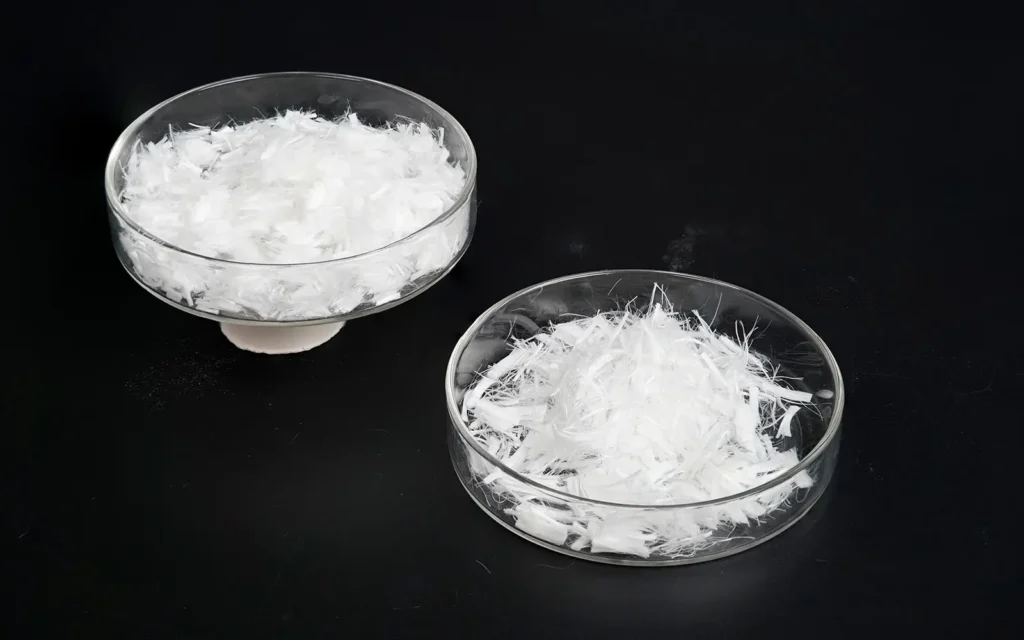
Fibra de poliéster (PET)
Rango de dosificación similar al de la microfibra de polipropileno; se utiliza cuando se requiere una mayor resistencia a los álcalis o propiedades específicas de elongación.
- Dosis típica: 0,6 – 2,0 kg/m³
- Uso habitual: 0,9 – 1,2 kg/m³
Producto TenaBrix: Fibra de poliéster
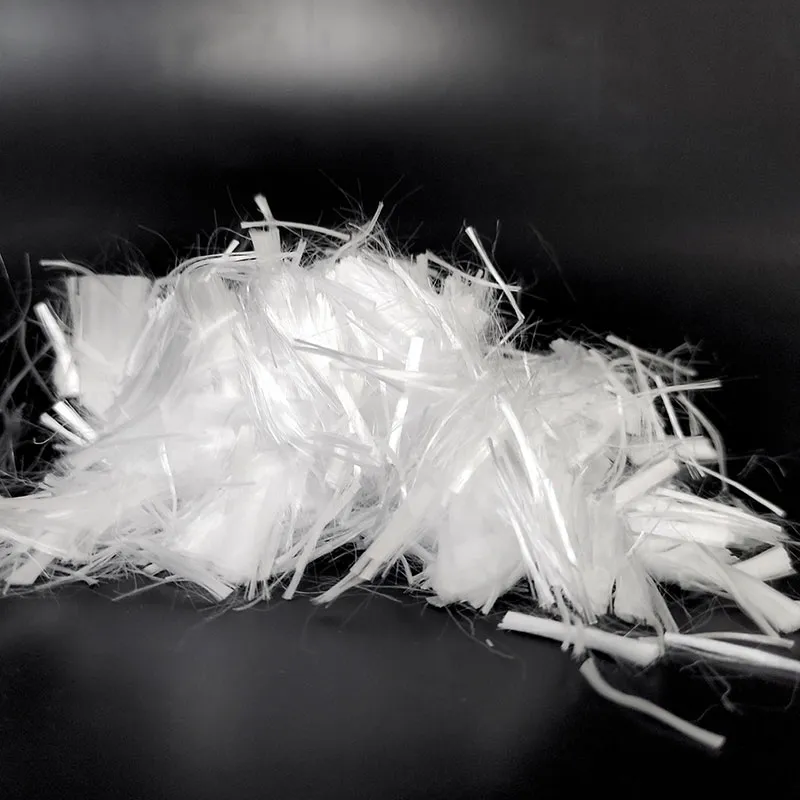
Microfibra sintética
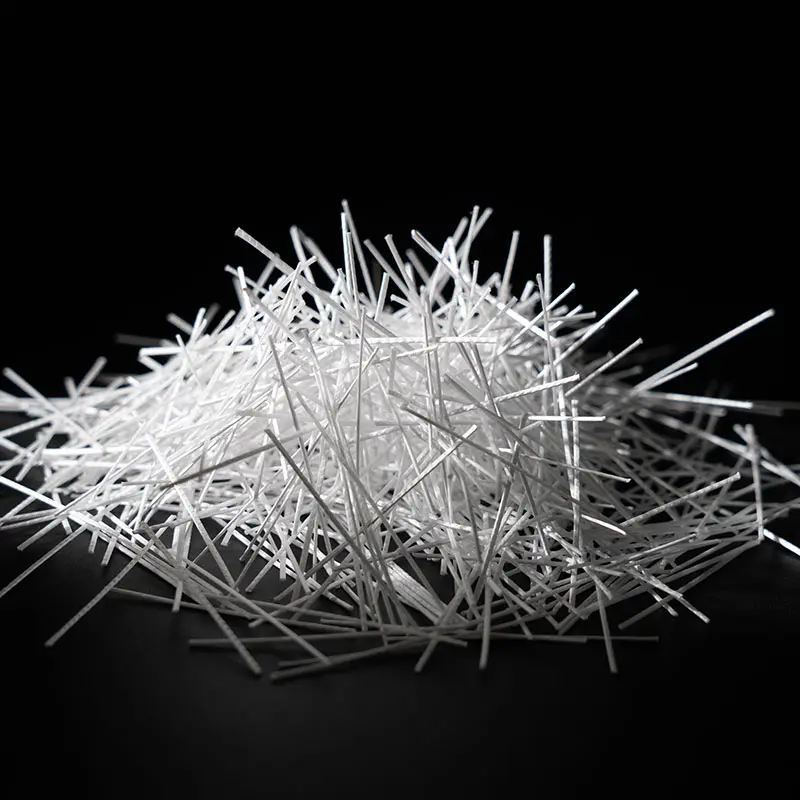
Fibra sintética Macro
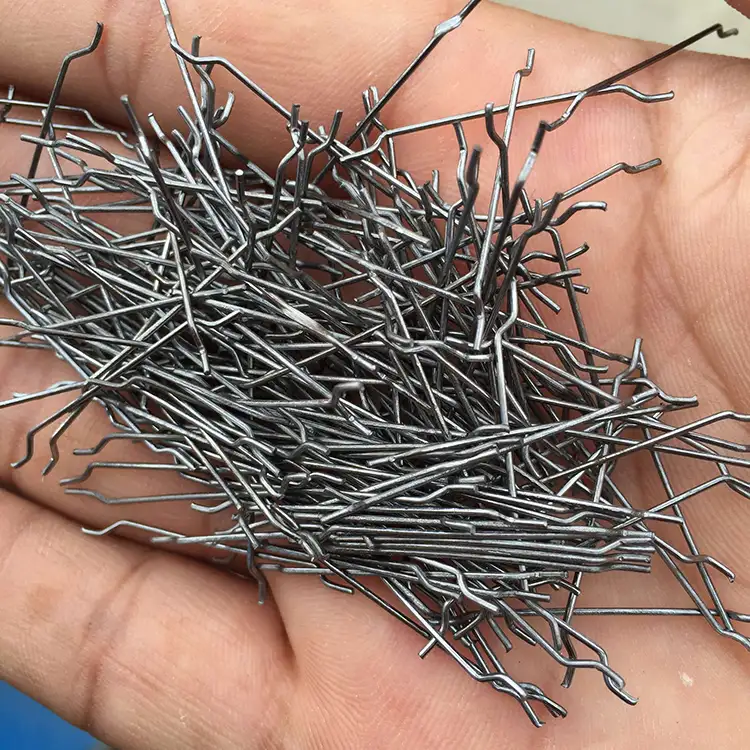
Fibra de acero
Fibra PAN
Fibra de PET
Tabla de referencia de dosificación por aplicación
Esta es la tabla de referencia rápida que la mayoría de los ingenieros y contratistas tienen marcada como favorita. Todos los valores corresponden a dosis habituales en la práctica; en aplicaciones críticas, compruébalos siempre mediante ensayos de diseño de la mezcla.
| Aplicación | Fibra recomendada | Dosificación (kg/m³) | Beneficio principal |
|---|---|---|---|
| Losa residencial sobre terreno | PP Micro | 0,6 – 0,9 | Control de la contracción del plástico |
| Suelo comercial (tráfico ligero) | PP Micro | 0,9 – 1,2 | Control de grietas |
| Suelo de almacén (tráfico intenso) | PP Macro | 4 – 6 | Sustituir la malla, reducir las juntas |
| Suelo industrial (carretillas elevadoras/estanterías) | PP Macro | 5 – 7 | Refuerzo estructural |
| Suelo de la cámara frigorífica | PP Macro | 5 – 7 + PP Micro 0,9 | Resistencia a los ciclos térmicos |
| Planta de producción química | PP Macro + PAN | 5 PP + 1,5 PAN | Resistencia a la corrosión |
| Elementos prefabricados (general) | PP Micro | 0,9 – 1,5 | Desmoldeo precoz, control de grietas |
| Elementos prefabricados de espesor reducido | Fibra de acero | 30 – 50 | Integridad estructural |
| Hormigón proyectado para túneles (primario) | Fibra de acero | 30 – 40 | Capacidad de carga |
| Hormigón proyectado para túneles (revestimiento final) | PP Macro | 5 – 8 | Resistencia a la corrosión, ligereza |
| Recubrimiento del tablero del puente | Fibra PAN | 1,5 – 2,5 | Resistencia química, adhesión |
| Pista de aterrizaje / plataforma del aeropuerto | Fibra PAN + PP Macro | 1,5 PAN + 5 PP | Resistencia al fuego y a los impactos |
| Estructuras marítimas | Fibra PAN | 1,8 – 3,0 | Resistencia al cloruro |
| Revestimiento proyectado / estuco | PP Micro (6 mm) | 0,6 – 0,9 | Control de grietas, adherencia |
| Refractario / resistente al calor | Fibra PAN | 2,0 – 3,0 | Prevención del desprendimiento hasta los 600 °C |
Cómo calcular la cantidad de fibra necesaria para tu proyecto
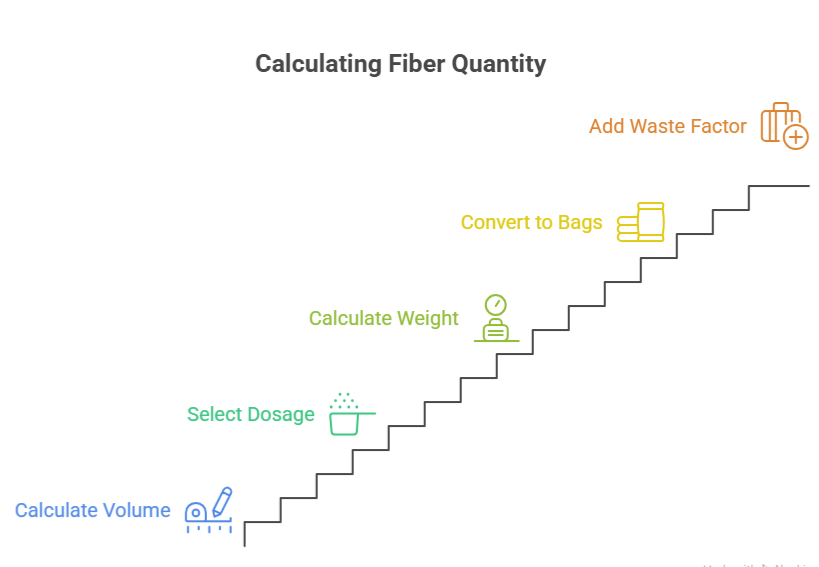
Cálculo paso a paso
Paso 1: Calcula el volumen total de hormigón
Volumen (m³) = Longitud (m) × Anchura (m) × Espesor (m)
Ejemplo: un suelo de almacén de 50 m × 30 m con un espesor de 200 mm:
Volumen = 50 × 30 × 0,20 = 300 m³
Paso 2: Selecciona la dosis
Para el suelo de un almacén, en sustitución de la malla de acero tradicional:
→ Utiliza fibra macro PP en 5 kg/m³
Paso 3: Calcular el peso total de la fibra
Fibra necesaria (kg) = Volumen (m³) × Dosis (kg/m³)
300 m³ × 5 kg/m³ = 1.500 kg de Macro Fiber
Paso 4: Convertir en bolsas o envases
La fibra macro TenaBrix se suministra en sacos de 20 kg:
1 500 kg ÷ 20 kg/saco = 75 sacos
Paso 5: Añadir el factor de pérdida 5%
75 bolsas × 1,05 = 79 bolsas (redondeado a 80)
Tabla de cálculo rápido
| Área de la losa | Espesor | Volumen de hormigón | Fibra macro @ 5 kg/m³ | Microfibra @ 0,9 kg/m³ |
|---|---|---|---|---|
| 100 m² | 150 mm | 15 m³ | 75 kg (4 sacos) | 13,5 kg (1 bolsa) |
| 500 m² | 150 mm | 75 m³ | 375 kg (19 sacos) | 68 kg (4 sacos) |
| 1.000 m² | 200 mm | 200 m³ | 1.000 kg (50 sacos) | 180 kg (9 sacos) |
| 5.000 m² | 200 mm | 1 000 m³ | 5.000 kg (250 sacos) | 900 kg (45 sacos) |
| 10 000 m² | 250 mm | 2 500 m³ | 12 500 kg (625 sacos) | 2 250 kg (113 sacos) |
Sistemas híbridos de fibra: la combinación de lo micro y lo macro
Uno de los enfoques más eficaces para los proyectos industriales y de infraestructuras es un sistema híbrido de doble fibra: microfibras para el control de las grietas de contracción en las primeras etapas, combinadas con macrofibras (o fibras de acero) para garantizar el comportamiento estructural tras la aparición de grietas.
Por qué funcionan los sistemas híbridos
- Las microfibras se activan en el interior de de minutos a horas del momento de la colocación: aprovechar el intervalo más crítico en el que se producen las grietas
- Las macrofibras activan una vez que el hormigón se haya secado — proporcionar un refuerzo estructural a largo plazo
- En conjunto, abordan tanto los modos de fallo iniciales como los a largo plazo, que ninguno de los dos puede gestionar por sí solo
Combinaciones híbridas recomendadas
| Aplicación | Microfibra | Macro Fiber | Notas |
|---|---|---|---|
| Suelos industriales | PP Micro 0,9 kg/m³ | PP Macro 5–7 kg/m³ | Buenas prácticas para losas sin juntas |
| Almacenamiento en frío | PP Micro 0,9 kg/m³ | PP Macro 6 kg/m³ | Control del movimiento térmico |
| Planta química | PAN 0,9 kg/m³ | PP Macro 5 kg/m³ | PAN = capa de resistencia química |
| Infraestructura | PAN 1,0 kg/m³ | Acero 30 kg/m³ | PAN para la seguridad contra incendios, acero para soportar la carga |
Para obtener comparativas completas de productos y orientación sobre su uso, consulta nuestra Guía completa para elegir el refuerzo de fibra para hormigón.
Factores que influyen en la decisión final sobre la dosis
1. Granulometría y composición de la mezcla de áridos
Un tamaño máximo de áridos mayor (>20 mm) puede afectar a la distribución de las fibras. En el caso del hormigón con áridos de 32 mm o más, aumentar ligeramente la dosificación en 10-15% ayuda a mantener una dispersión uniforme de las fibras.
2. Relación agua-cemento
Unos índices de agua-cemento más bajos (≤0,40) dan lugar a mezclas más rígidas en las que la distribución de la fibra puede ser desigual. Tenga en cuenta lo siguiente:
- Utilización de un plastificante para mantener la trabajabilidad
- Reducir la relación de aspecto de las fibras (utilizar fibras más cortas)
- Mezclar la fibra con los áridos antes de añadir el cemento
3. Bombeo frente a vertido directo
Las mezclas de hormigón bombeado con macrofibras requieren especial atención:
- Mantenga la dosis por debajo de 7 kg/m³ en las tuberías de bombeo estándar.
- Utiliza un tubo de bombeo de al menos 4 pulgadas (100 mm)
- Asegurarse de que los áridos se humedezcan previamente de forma uniforme
4. 4. Condiciones medioambientales
- Calor (>30 °C): El riesgo de contracción del plástico es mayor; aumenta la dosis de microfibras entre un 20 y un 25%.
- Tiempo frío (<5 °C): Un curado prolongado reduce el riesgo de agrietamiento precoz; se aplica la dosificación estándar
- Viento >20 km/h: Acelera el secado de la superficie; tratar como si se diera en condiciones de calor
Errores habituales en la dosificación (y cómo evitarlos)
❌ Error n.º 1: Utilizar la dosis para microfibra en una aplicación estructural
La microfibra, con una densidad de 0,9 kg/m³, NO proporciona refuerzo estructural; para ello se necesita macrofibra con una densidad de 4+ kg/m³. Estos dos tipos de fibra tienen funciones totalmente diferentes.
❌ Error 2: Comparar las dosis del acero y del material sintético por kg sin tener en cuenta la densidad
5 kg/m³ de macrofibra sintética ≈ 0,55% de fracción volumétrica. 5 kg/m³ de fibra de acero ≈ 0,064% de fracción volumétrica: una diferencia enorme en el contenido real de fibra.
❌ Error n.º 3: Ignorar la relación entre fibra y agregado
El árido muy fino con una gran superficie específica puede “absorber” las fibras. Realiza siempre una prueba con un lote antes de pasar a la producción a gran escala.
❌ Error n.º 4: Añadir fibra a la mezcla seca en una mezcladora de tambor
La fibra debe añadirse a la mezcladora una vez que se hayan mezclado el árido y el agua, y no a una mezcla seca. La formación previa de grumos en condiciones secas reduce la calidad de la distribución.
❌ Error n.º 5: Dar por sentado que cuanta más fibra, mejor
Por encima de ~10 kg/m³ en el caso de la macrofibra sintética, la pérdida de trabajabilidad suele compensar las mejoras adicionales en el rendimiento. Es mejor diseñar el sistema de mezcla en lugar de limitarse a añadir más fibra.
Preguntas frecuentes
P: ¿Cuánta fibra de polipropileno hay por metro cúbico de hormigón?
En el caso de las microfibras de PP (para el control de fisuras), la dosis estándar es de 0,6-0,9 kg/m³. En el caso de las macrofibras de PP estructurales, la dosis oscila entre 3 y 10 kg/m³, dependiendo del nivel de rendimiento requerido. En los suelos industriales se suelen utilizar entre 5 y 7 kg/m³.
¿Puedo utilizar refuerzo de fibra en lugar de malla de acero?
Sí: la fibra sintética macro, con una densidad de 5-7 kg/m³, puede sustituir a la malla de alambre soldada convencional en muchas aplicaciones de losas sobre terreno. Se trata de una práctica habitual en la construcción de suelos de almacenes e instalaciones industriales. Sin embargo, la fibra no puede sustituir a las barras de armadura estructurales en vigas, pilares o losas suspendidas sin un estudio completo de ingeniería estructural.
¿Cuál es la dosis máxima de fibra antes de que surjan problemas de trabajabilidad?
En el caso de la fibra sintética de macro, el límite superior práctico se sitúa en torno a los 8-10 kg/m³ sin necesidad de realizar ajustes significativos en el plastificante. Por encima de este valor, resulta difícil controlar la pérdida de asentamiento sin modificar los principios básicos del diseño de la mezcla.
¿Cómo puedo mezclar fibra con el hormigón sin que se formen grumos ni bolas?
Añade la fibra a la mezcladora una vez que se hayan mezclado el árido y aproximadamente 80% de agua. Mezcla durante un mínimo de 90 segundos tras la adición de la fibra. Evita añadir la fibra al árido seco. En el caso de la fibra fibrilada, asegúrate de que el transportador de tornillo de la planta de hormigón esté ajustado a la velocidad de alimentación correcta.
P: ¿La dosis de fibra es la misma para todos los tipos de hormigón?
No. Las mezclas de hormigón de mayor resistencia (C40+) pueden permitir dosis de macrofibras ligeramente inferiores para alcanzar el mismo rendimiento, ya que la propia matriz del hormigón es más resistente. Para las mezclas estándar C25–C30, utilice siempre la dosis completa recomendada.
¿Cómo se calculan las necesidades de fibra para una aplicación de hormigón proyectado?
Utiliza el mismo cálculo de dosificación en kg/m³ que para el hormigón moldeado in situ. Ten en cuenta el rebote (normalmente entre 10 y 20% para la fibra de acero en el hormigón proyectado de mezcla seca) aumentando la cantidad de pedido en consecuencia. En el caso del hormigón proyectado de mezcla húmeda, el rebote es menor.
P: ¿Qué ocurre si la dosis es demasiado baja?
La dosificación insuficiente es la causa principal de las quejas relacionadas con el refuerzo de fibras in situ. Con niveles de dosificación insuficientes, el control de fisuras resultará ineficaz y se observará el mismo patrón de fisuración que en el hormigón sin reforzar. Existe un efecto umbral: pasar de 0 a 0,3 kg/m³ aporta un beneficio mínimo; se requiere todo el rango de 0,6–0,9 kg/m³ para lograr un control apreciable de la contracción plástica.
Obtén una recomendación de dosis personalizada
Cada proyecto es diferente. El espesor de la losa, las condiciones de carga, la calidad de la subbase y la clase de exposición influyen en la dosificación óptima de fibra.
Nuestro equipo técnico lleva más de Más de 500 proyectos en 30 países — desde pequeñas obras comerciales hasta grandes contratos de infraestructuras.
Solicita una consulta técnica gratuita →
Indique los detalles de su proyecto —tipo de aplicación, dimensiones de la losa, carga de diseño— y le proporcionaremos recomendaciones específicas sobre la dosificación y una comparación preliminar de costes en un plazo de 24 horas.
Lecturas recomendadas
- Guía completa para elegir el refuerzo de fibra de hormigón — Descripción general completa de los tipos de fibra y marco de selección
- Página del producto «Macrofibra de polipropileno» — Especificaciones técnicas, datos de pruebas, referencias de proyectos
- Página del producto PAN Fiber — Fibra de alto rendimiento para aplicaciones exigentes
- Fibra macro frente a fibra de acero: diferencias clave — Comparación detallada de pavimentos industriales
- Fibra de polipropileno micro frente a macro — Cuándo utilizar cada tipo