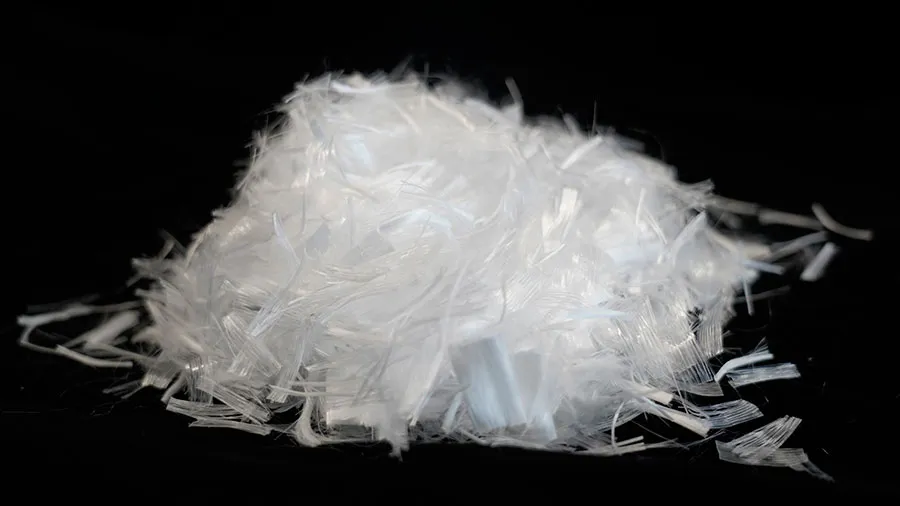
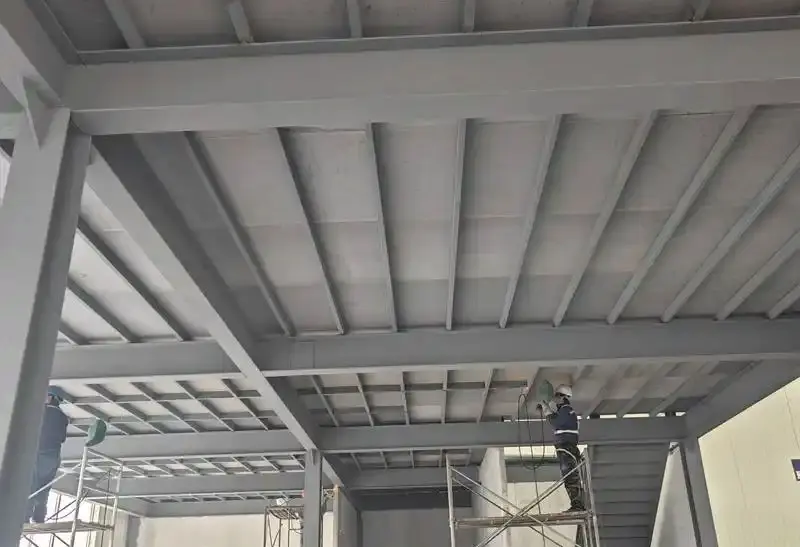
If you are searching for polypropylene fiber for concrete, you’ve likely come across two main types:
- Micro polypropylene fiber (monofilament fiber)
- Macro polypropylene fiber (steel fiber alternative)
But what is the real difference between them?
More importantly — which one is right for your concrete project?
In this guide, we break down the manufacturing process, performance differences, and applications to help you choose the best solution.
What is Polypropylene Fiber for Concrete?
Polypropylene fiber for concrete is a type of synthetic reinforcement material used to:
- Control cracking
- Improve durability
- Enhance concrete performance
According to industry applications, these fibers are widely used in industrial flooring, precast concrete, tunnels, and shotcrete.

Micro Polypropylene Fiber (Monofilament Fiber)
Manufacturing Process (Melt Spinning Technology)
Micro fiber is produced through a textile-based process:
- Polipropileno melting
- Extrusion through spinneret
- Cooling and solidification
- Multi-stage drawing
- Heat setting
- Cutting into short fibers (6–18 mm)
Key Features of Micro PP Fiber
- Ultra-fine diameter (micron level)
- High dispersion in concrete
- Smooth surface
- Typical dosage: 0.6–1.0 kg/m³
Main Function in Concrete
Micro fibers are designed to:
- Reduce plastic shrinkage cracks
- Minimize early-stage cracking
- Improve surface integrity
Micro polypropylene fibers primarily help control plastic shrinkage cracking and improve early-age crack resistance. They are not generally intended to provide the residual flexural strength associated with structural macro-synthetic fibers.
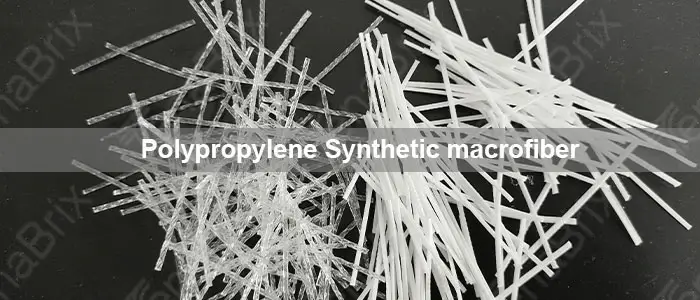
Macro Synthetic Fiber (Steel Fiber Replacement)
Manufacturing Process (Extrusion + Mechanical Modification)
Macro fiber uses an engineering-grade production process:
- Extrusion into tapes or thick filaments
- High-strength drawing (orientation)
- Surface modification:
- Cutting into 30–60 mm fibers
Some designs create strong mechanical bonding with concrete.
Key Features of Macro Fiber
- High tensile strength (≥400 MPa typical industry level)
- Deformed surface for better bonding
- High load-bearing capacity
- Dosage: 3–8 kg/m³
The flexural performance of macro-synthetic fiber-reinforced concrete can be evaluated using ASTM C1609/C1609M, which measures parameters such as residual strength and toughness.
Main Function in Concrete
Macro fibers provide:
- Crack bridging after hardening
- Improved flexural strength
- Enhanced impact resistance
- Increased toughness and durability
They can even partially replace steel fiber in many applications.
Micro vs Macro Polypropylene Fiber: Key Differences
| Feature |
Micro Polypropylene Fiber |
Macro Synthetic Fiber |
| Main Keyword |
crack control fiber |
reinforcement fiber |
| Manufacturing |
melt spinning |
extrusion + deformation |
| Structure |
smooth monofilament |
embossed / twisted |
| Function |
shrinkage crack control |
structural reinforcement |
| Control de Fisuras |
early-age crack control |
post-crack crack bridging |
| Strength contribution |
none |
high |
| Dosage |
0.6–1.0 kg/m³ |
3–8 kg/m³ |
| Application |
mortar, plaster, screed |
industrial floor, tunnel |
Why the Manufacturing Process Determines Performance
The biggest misunderstanding in the market is thinking:
“Macro fiber is just thicker micro fiber”
This is incorrect.
- Micro fiber = textile technology (dispersion focus)
- Macro fiber = engineering material (strength & bonding focus)
That’s why their performance in concrete is completely different.
Best Applications of Polypropylene Fiber in Concrete
Use Micro Fiber for:
- Mortar and plaster
- Tile adhesive
- Residential concrete
- Crack control in early stage
Use Macro Fiber for:
- Industrial flooring
- Heavy-duty slabs
- Tunnel lining
- Hormigón Proyectado
Both fiber types are widely used in fiber reinforced concrete (FRC) solutions globally
Pro Tip: Combine Micro + Macro Fiber
For high-performance projects:
- Micro fiber → controls early cracks
- Macro fiber → improves structural strength
This combination is widely used in industrial concrete flooring systems
Conclusion: Choosing the Right Polypropylene Fiber
When selecting polypropylene fiber for concrete, remember:
- It’s not just about size
- It’s about function, manufacturing, and performance
» Micro fiber = crack control
» Macro fiber = reinforcement
Choosing the right type can significantly improve your concrete durability, performance, and cost efficiency
Get Expert Support for Your Project
At TenaBrix, we provide:
- Micro polypropylene fiber
- Macro synthetic fiber
- Customized solutions for concrete reinforcement
Our products are widely used in industrial floors, tunnels, and precast applications worldwide
Contact us today for:
- Free samples
- Technical support
- Competitive pricing