





Polypropylene synthetic microfibers for Residential Slabs
The Advantage of Polypropylene Synthetic Microfibers
The residential concrete slabs can benefit from the three-dimensional reinforcement provided by TenaBrix® Polypropylene synthetic microfibers.
TenaBrix® monofilament microfibers and TenaBrix® fibrillated micro fibers both can be added to residential slabs to increase concrete durability and reduce cracking in exterior and interior applications.
TenaBrix® monofilament micro fibers specifically designed to help mitigate the formation of plastic shrinkage cracking in concrete enables the concrete to develop its optimum long-term integrity and increase robustness.
TenaBrix® fibrillated micro fibers Increase surface durability, impact, and abrasion resistance when compared to plain concrete.
Polypropylene synthetic microfibers Content in Residential Slabs
Application scenario |
Recommended Addition Amount |
Fiber Type |
|---|---|---|
General residential floor slabs | 0.6-0.9 kg/m³ | Polypropylene monofilament fiber |
Underfloor Heating Floor | 0.9-1.2 kg/m³ | Alkali-resistant polyester fiber |
Ultra-thin floor slabs (<10cm) | 1.0-1.5 kg/m³ | High strength type (≥1200MPa) |
Note:
The specific dosage needs to be verified by laboratory trial mixing, and the concrete mixing ratio and construction environment need to be considered.
Construction Key Considerations
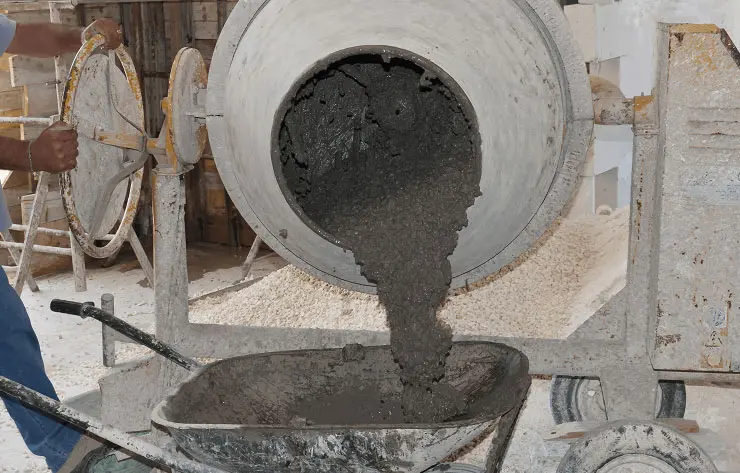
Mixing process
1.Priority is given to the dry mixing method: fiber+aggregate dry mixing for 30 seconds → cement/admixture mixing for 30 seconds → water mixing for ≥ 2 minutes.
2.It is forbidden to put wet material directly to avoid fiber agglomeration.

Construction Points
1.The vibration time is extended by 10-15 seconds to ensure uniform fiber distribution.
2.The timing of plastering needs to be advanced: finish before the first set (fibers accelerate the loss of water from the surface)
3.Avoid excessive wiping to cause fibers to float
Specialized environmental response
1.When the wind speed is >5m/s or the temperature is >30℃:
✓ Immediately cover with plastic film to retain water
✓ Add 15-20% more
2.Winter construction: low-temperature-resistant modified fiber (-20 ℃ does not break)
Statement
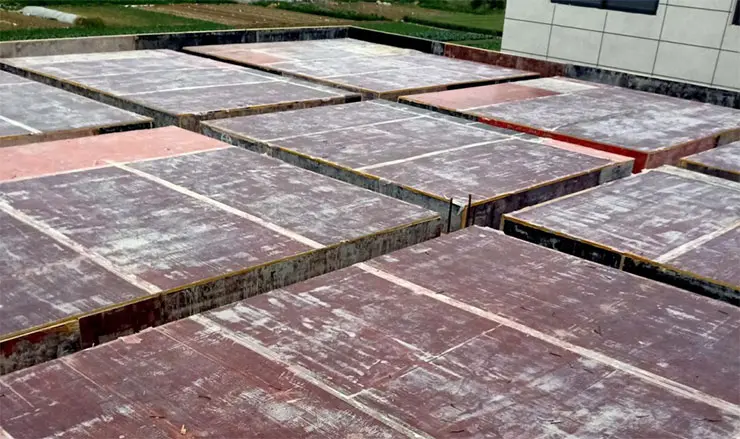
- Non-structural reinforcement: fibers only inhibit early cracking, not a substitute for structural reinforcement
- Compatibility verification: compatibility test is required when used with water reducing/expansion agents.
- Economy suggestion: the standard floor slab of high-rise residential building adopts 0.7kg/m³ with the best cost performance.
Typical Applications:
- Driveways
- Sidewalks
- Decks
- Patios
- Foundations
Recommended Fiber
FAQ
Fiber clusters appear on the surface
Solution:Extended mixing time with forced mixer.
Exposed fibers after plastering
Solution:Completion of plastering before initial setting, using a steel trowel for one-way finishing.
Localized cracking of the floor
Solution:Strengthen the vibration, cover the maintenance film immediately after the final set.
Fluctuation of strength test value
Solution:Core drilling to avoid dense rebar areas and compare the same batch of test pieces.