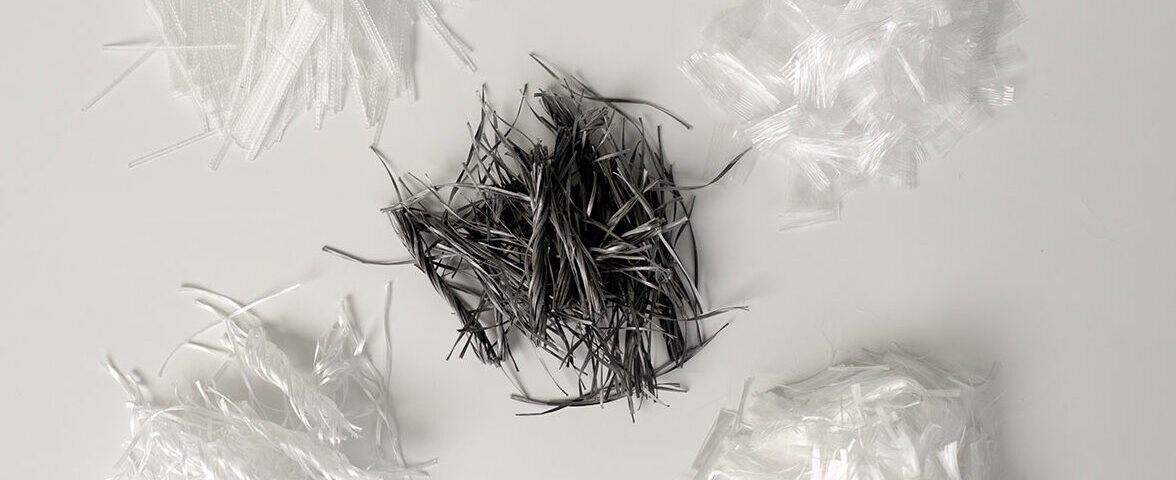
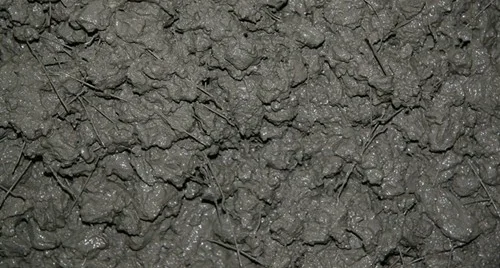
لا توجد نسبة واحدة محددة من الأسمنت:الرمل:الركام:الألياف تصلح لكل خلطة خرسانية مسلحة بالألياف (FRC). فالألياف مكوّن تسليح منفصل، ويعتمد تأثيرها على هندسة الألياف ومادتها وجرعتها وتشتتها، وعلى العجينة المتاحة لتغليفها، وتدرج الركام، وتوافق الإضافات، والأداء المطلوب بعد التشقق.
الخلطة السهلة في الصب ولكنها تنتج توزيعاً ضعيفاً للألياف قد لا تحقق التسليح المحدد. وبالمقابل، فإن زيادة جرعة الألياف دون تعديل الخلطة قد تؤدي إلى فقدان ظاهري في الهبوط، أو تكوّر الألياف، أو صعوبات في التشطيب. لذلك فإن تصميم خلطة الخرسانة المسلحة بالألياف السليم يتعين عليه الموازنة بين سلوك الخرسانة الطازجة والأداء المتصلد الذي يحتاجه المشروع فعلياً.
يوضح هذا الدليل كيفية إنشاء عملية عملية لتصميم الخلطة، واختيار عائلة ألياف TenaBrix المناسبة، والتحكم في قابلية التشغيل والتشتت، والتحقق من الأداء من خلال الاختبارات. لحسابات الجرعة ونطاقات التطبيق الإرشادية، راجع دليل جرعة تسليح الخرسانة بالألياف.
1. ماذا تعني “نسبة خلطة الخرسانة المسلحة بالألياف” فعلياً؟
في التناسب التقليدي للخرسانة، تصف نسبة الخلطة الكميات النسبية للمواد الأسمنتية والماء والركام الناعم والركام الخشن. وفي الخرسانة المسلحة بالألياف (FRC)، لا تزال نسب الخرسانة الأساسية بحاجة إلى تلبية متطلبات المقاومة والمتانة وقابلية التشغيل والتعرض المحددة. ثم تُضاف الألياف كمعامل تسليح إضافي، يُحدد عادةً بالكتلة لكل وحدة حجم (كجم/م³) أو بالكسر الحجمي.
هذا التمييز مهم: فجرعة الألياف ليست بديلاً عن نسبة الماء إلى المواد الأسمنتية، ولا تُنشئ وصفة عالمية مثل “جزء واحد من الألياف إلى عدد ثابت من الأجزاء من الأسمنت”. يجب تحديد الجرعة الصحيحة وتعديلات الخلطة للألياف المختارة والمكونات الخرسانية ومعدات الخلط والهدف التصميمي.
الجرعة الكتلية والكسر الحجمي
الجرعة الكتلية ملائمة للجرعات، لكن ليفين يُضافان بنفس الكجم/م³ قد لا يوفران نفس التسليح. فقد تختلف كثافتهما وقطر الشعيرة والطول والمقطع العرضي والملف الشخصي وعدد الشعيرات الفردية. وللمقارنة الفنية، يمكن حساب الكسر الحجمي للألياف كما يلي:
الكسر الحجمي للألياف (%) = [جرعة الألياف (كجم/م³) ÷ كثافة الألياف (كجم/م³)] × 100
بالنسبة للنظام الهجين، احسب مساهمة الحجم لكل ليف على حدة ثم اجمع المساهمات. استخدم الكثافة المذكورة في ورقة البيانات الفنية للمنتج المعني؛ لا تفترض أن ألياف البوليمر المختلفة لها نفس الكثافة أو الهندسة.
2. حدد هدف الأداء قبل اختيار الألياف
يجب أن يبدأ اختيار الألياف بآلية التشقق أو متطلب الأداء — وليس بجرعة منسوخة من مشروع آخر. السؤال الأول هو ما إذا كانت الخلطة تحتاج إلى التحكم في التشقق في العمر المبكر، أو نقل الحمل بعد التشقق، أو مزيج من الوظائف.
| متطلب المشروع |
ما الذي يجب أن يقيّمه تصميم الخلطة |
خيارات الألياف ذات الصلة |
| التحكم في الانكماش اللدن والتشقق الدقيق في العمر المبكر |
تشتت الألياف الدقيقة، وتغليف العجينة، وسلوك التشطيب، وتوقيت التبخر/المعالجة |
ألياف دقيقة صناعية من البولي بروبيلين؛ ألياف بولي بروبيلين ليفية؛ درجات مختارة من ألياف PET أو PAN الدقيقة |
| المتانة بعد التشقق وأداء الانحناء المتبقي |
تفاعل الألياف مع المصفوفة، والهندسة، والجرعة، والتوجيه، والمقاومة المتبقية وفق طريقة الاختبار المحددة |
ألياف صناعية ماكرو من البولي بروبيلين؛ ألياف ماكرو صناعية ملتوية |
| المتطلبات المشتركة للعمر المبكر وبعد التشقق |
توافق مجموعتي الألياف، وإجمالي حجم الألياف، وقابلية التشغيل، وما إذا كان كل مكوّن يساهم بوظيفة محددة |
نظام هجين مصمم للمشروع، مثل ألياف PP الدقيقة مع ألياف ماكرو صناعية مؤهلة |
لا ينبغي التعامل مع الألياف الدقيقة والألياف الماكرو على أنها قابلة للتبادل. تُختار الألياف الدقيقة الصناعية عادةً للتحكم الموزع في التشقق في العمر المبكر. وتُختار الألياف الماكرو الصناعية عندما يتطلب التصميم مساهمة قابلة للقياس بعد التشقق. ويجب أن تُدعم المواصفة التي تتطلب أداء الانحناء المتبقي بنتائج اختبار مناسبة — لا أن تُستنتج من مقاومة الشد أو من اسم الألياف وحده.
3. طابق هندسة الألياف مع الخلطة الخرسانية
تؤثر هندسة الألياف على كيفية تشتت المادة في الخرسانة الطازجة وكيفية تفاعلها مع المصفوفة الأسمنتية بعد التصلد. الفروق التالية مفيدة عند فرز منتجات TenaBrix لخلطة تجريبية.
ألياف البولي بروبيلين الصناعية الدقيقة
ألياف PP الدقيقة أحادية الشعيرة مصممة للتسليح الدقيق الموزع في الخرسانة والمونة والمواد الأسمنتية الأخرى. ويجعل هيكل الشعيرة الدقيق تشتت الألياف وتغليف العجينة من اعتبارات تصميم الخلطة المهمة. وهي خيار ذو صلة عندما يكون الهدف الرئيسي المساعدة في التحكم في تشقق الانكماش اللدن والتشققات الدقيقة في العمر المبكر. راجع ألياف البولي بروبيلين الصناعية الدقيقة من TenaBrix.
ألياف البولي بروبيلين الليفية
تتميز ألياف PP الليفية بهيكل شبكي مترابط بدلاً من ملف شعيرة مفردة بسيط. ويزيد الهيكل من التلامس مع عجينة الأسمنت ويشكل شبكة تسليح موزعة عند تشتتها بشكل صحيح. تدرج TenaBrix أطوالاً 6 مم و19 مم و38 مم؛ وينبغي اختيار الطول المناسب وفقاً للتطبيق وتدرج الركام وتصميم الخلطة. راجع ألياف البولي بروبيلين المتشعبة.
ألياف البولي بروبيلين الماكرو المنقوشة والمنحنية
كلاهما خياران من ألياف PP الماكرو، لكن ملامح سطحهما مختلفة. صُمم الملمح المنقوش لتعزيز التفاعل الميكانيكي مع مصفوفة الأسمنت. ويستخدم الملمح المنحني أو الموجي هندسته لإنشاء تداخل ميكانيكي. وفي كلتا الحالتين، ينبغي تقييم الخلطة من حيث توزيع الألياف والأداء بعد التشقق عند الجرعة المقترحة. راجع النوع المنقوش و النوع المنحني المواصفات بشكل منفصل.
ليفة ماكرو-صناعية ملتوية
يُنشئ تكوين الحزمة الملتوية تفاعلاً ميكانيكياً مع الخرسانة المحيطة. وتوفر TenaBrix خيارات رمادية وبيضاء؛ ولا ينبغي استخدام اللون وحده كمعيار للأداء. ويجب أن يعتمد الاختيار على المواصفة الفنية وهندسة الألياف والجرعة والخلطة الخرسانية ونتائج اختبار المشروع. راجع ألياف TenaBrix الماكرو الصناعية الملتوية.
ألياف PAN وPET
ألياف البولي أكريلونيتريل (PAN) وألياف البوليستر (PET) عائلتان منفصلتان من الألياف الصناعية لهما مواصفاتهما الخاصة. تُصنع ألياف PAN من البولي أكريلونيتريل، بينما تتوفر ألياف PET من TenaBrix بدرجات عالية المقاومة للشد وعادية المقاومة للشد. وينبغي تقييم ملاءمتها باستخدام ورقة البيانات الفنية (TDS) ذات الصلة وأبعاد الألياف المطلوبة وتوافق الخلطة ونتائج التجارب. لا تنقل جرعة أو افتراض أداء من ألياف PP إلى PAN أو PET دون التحقق. اقرأ المزيد عن ألياف PAN و ألياف PET.

4. اعتبارات قابلية التشغيل في تصميم خلطة الخرسانة المسلحة بالألياف
تؤدي إضافة الألياف إلى تغيير الخليط الطازج. فالألياف تزيد من إجمالي مساحة السطح التي يجب أن تغلفها عجينة الأسمنت، وقد تجعل الخلطة تبدو أقل قابلية للتشغيل أو أكثر تماسكاً. ويعتمد حجم التأثير على نوع الألياف وهندستها وحجمها وجرعتها، فضلاً عن الخليط الخرساني الأصلي.
لا تصحح كل فقدان في الهبوط بإضافة الماء
الانخفاض الظاهري في الهبوط لا يعني تلقائياً أنه ينبغي زيادة محتوى الماء. فإضافة الماء يمكن أن تغير نسبة الماء إلى المواد الأسمنتية وتضر بالخصائص المحددة للخرسانة. ويشير المعهد الأمريكي للخرسانة إلى أن الإضافات المخفضة للماء قد تساعد في الحفاظ على الهبوط المطلوب دون تغيير نسبة w/cm؛ وعند محتويات الألياف الأعلى، قد تحتاج الخلطة أيضاً إلى حجم عجينة كافٍ لتغليف الألياف وتشتيتها. ويجب تأكيد أي تعديل من خلال الخلطات التجريبية.
راجع متغيرات الخلطة هذه معاً
- تدرج الركام والحجم الأقصى: Check whether the aggregate skeleton allows the selected fiber length and profile to distribute without bridging or accumulating.
- Paste volume and fines: Confirm that enough paste is available to coat both aggregates and fibers. A harsh or paste-deficient mix is more vulnerable to poor dispersion.
- Water-cementitious materials ratio: Keep the specified w/cm ratio under control. Use a compatible water reducer rather than uncontrolled water addition when workability needs adjustment.
- Admixture compatibility: Check the interaction between the fiber, water reducer, air-entraining admixture and other chemical admixtures in the actual cementitious system.
- Target placement method: A pumpable ready-mix, a precast mix and a shotcrete mix have different flow, cohesion, delivery and placement requirements. A mix that works in one process is not automatically suitable for another.
5. Establish a Controlled Batching and Mixing Sequence
Uniform distribution is essential. Fiber clumps or “balls” create local areas with too much fiber and other areas with too little. They can also interfere with pumping, surface finishing and the consistency of test specimens.
- Prepare the base mix first. Ensure that cementitious materials, aggregates, water and admixtures have been introduced in the approved sequence and that the base concrete is reasonably uniform.
- Feed fibers continuously. Avoid discharging the full quantity in one compact mass. A controlled feed gives the mixer a better opportunity to separate and distribute individual fibers.
- Allow sufficient mixing after addition. Mixing time depends on the mixer type, batch size, fiber characteristics and dosage. For transit-mixer addition, ACI guidance describes continuous addition into the rotating drum and, as a general reference, mixing for at least 40 drum revolutions after all fibers have been added. The manufacturer’s instructions and project specification take precedence.
- Inspect the discharged concrete. Check for visible fiber balls, uneven fiber distribution, segregation, abnormal air content and changes in workability. Record the results rather than relying on visual appearance alone.
- Repeat the sequence in trial batches. A change in fiber length, profile, dosage, mixer capacity or addition point can change dispersion. Revalidate the process when one of these variables changes.
ACI’s practical guidance is available in its notes on mixing fibers into concrete و the effect of fibers on workability. If you would like advice regarding product selection or practical application, please feel free to contact our team.
6. Verify Fresh and Hardened Concrete Separately
A successful FRC mix must satisfy both production requirements and the hardened performance criteria in the project specification. A single slump result cannot demonstrate post-crack capacity, and a flexural test result cannot confirm that the concrete can be batched and placed reliably at the job site.
Fresh-concrete checks
- Slump or flow: Measure against the target for the actual placement method and at the specified sampling time.
- Air content: Check after all constituents, including fibers, have been mixed.
- Unit weight and yield: Confirm that the batch proportions and delivered volume are consistent with the mix design.
- Visual uniformity: Look for fiber balls, fiber-rich pockets, segregation and inconsistent finishing behavior.
- Delivery and placement: Check whether the concrete retains workable consistency for the required transport, pumping, placing and finishing period.
Hardened-concrete performance
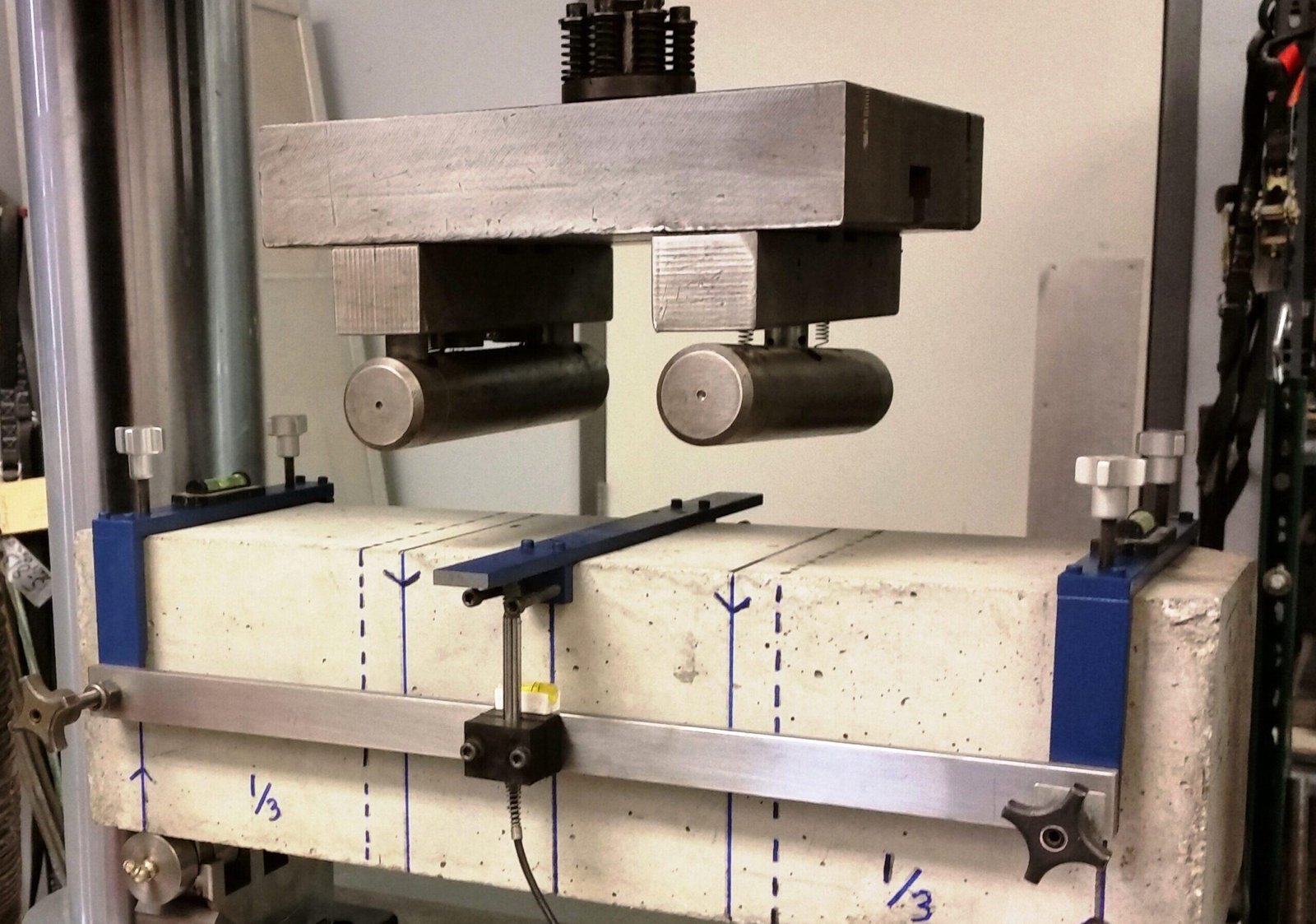
Where macro-synthetic fibers are expected to contribute to post-crack behavior, specify the relevant performance measure and test method before selecting the dosage. ASTM C1609/C1609M evaluates the flexural performance of fiber-reinforced concrete using a beam under third-point loading. It derives first-peak and residual strengths from the load-deflection response and can also quantify specimen toughness. Residual strength at specified deflections is more informative for post-crack performance than a single compressive-strength result.
ASTM C1116/C1116M is a specification for fiber-reinforced concrete, not a substitute for a project-specific performance test. It addresses FRC supplied with its ingredients uniformly mixed. The applicable edition, sampling plan, specimen geometry, curing, test age and acceptance criteria should be stated in the project documents.
For reference, consult the official pages for ASTM C1116/C1116M-23 و ASTM C1609/C1609M-24. Test results are influenced by specimen dimensions, fiber orientation and the test setup; compare results only when the test conditions are comparable.
7. Use Trial Mixes to Establish the Final Proportions
A reliable fiber-reinforced concrete mix design should be verified through laboratory trials before production. The trial process helps determine whether the selected fiber type, dosage, aggregate grading and admixture system can achieve the required fresh and hardened concrete properties.
| Trial stage |
What to vary or verify |
What to record |
| Baseline mix |
Reference concrete without fiber, using the proposed cementitious system and aggregate grading |
Proportions, w/cm ratio, slump or flow, air content, unit weight and baseline strength |
| Fiber screening |
Compare candidate fiber families or geometries at project-defined trial dosages |
Product identification, length/profile, dosage, addition sequence and visible dispersion |
| Workability optimization |
Adjust compatible admixture dosage or paste-related proportions where justified; keep the specified w/cm ratio controlled |
Fresh properties, mixing time, pumping/placing observations and finishing behavior |
| Performance verification |
Test the selected mixture against the specified hardened-concrete criteria |
Load-deflection response, residual strengths, toughness or other project-required results |
| Production validation |
Confirm the approved mix using the actual plant, mixer, batch size and fiber-feeding method |
Batch records, consistency between batches, quality-control results and any corrective actions |
For a fair comparison, change one major variable at a time where practical. If fiber type, dosage, water content and admixture dosage all change together, it becomes difficult to identify why performance improved or deteriorated. Once a mixture is selected, document the approved fiber product, dosage, batching sequence, mixing time, fresh-concrete limits and acceptance tests in the production mix specification.
8. Common Fiber-Reinforced Concrete Mix Design Problems
| Observed problem |
Possible mix-design cause |
What to investigate |
| Fiber balls or clumps |
Rapid fiber addition, insufficient mixing, unsuitable sequence or a mix with inadequate coating paste |
Fiber feed rate, addition point, mixing time, batch size and paste availability |
| Apparent slump loss |
Higher fiber surface area, dosage or cohesion; interaction with aggregate grading and paste volume |
Measure slump/flow consistently; evaluate compatible water reducers rather than adding uncontrolled water |
| Uneven surface finish |
Fiber length/profile, dosage, finishing method or fiber distribution not suited to the application |
Trial the actual finishing process and verify fiber type and dosage against the surface requirement |
| Low or inconsistent residual strength |
Fiber dosage or geometry not matched to the design, poor dispersion, orientation effects or inconsistent specimen preparation |
Review the load-deflection data, specimen preparation, mixing records and fiber specification |
| Good laboratory results but poor site performance |
Plant mixer, batch size, delivery time or placement process differs from the laboratory trial |
Run a production-scale validation with the actual batching and delivery equipment |
9. Practical Checklist Before Approving an FRC Mix
- Is the primary objective early-age crack control, post-crack performance, or both?
- Does the selected fiber type and geometry match that objective?
- Are the dosage and volume fraction based on the actual product density and specification?
- Can the base concrete provide adequate paste coating and aggregate packing?
- Can the target slump or flow be achieved without uncontrolled water addition?
- Has the fiber addition sequence been validated using the intended mixer and batch size?
- Are fresh-concrete checks and hardened-performance tests clearly specified?
- Have laboratory trials been followed by production-scale validation?
الأسئلة المتكررة
What is the correct mix ratio for fiber-reinforced concrete?
There is no universal fiber-reinforced concrete mix ratio. The base concrete proportions are designed for the project, while fiber type and dosage are selected according to the required crack-control or post-crack performance. The final combination should be verified through trial batching and testing.
What factors affect fiber-reinforced concrete mix design?
Fiber-reinforced concrete mix design depends on several factors, including fiber material, geometry, dosage, aggregate grading, paste volume, water-cementitious materials ratio and admixture compatibility. The required performance after cracking and the intended placement method should also be considered. Trial batching and testing are essential for confirming the final mixture.
Does adding polypropylene fiber mean that more water is needed?
Not automatically. Fibers can cause an apparent slump reduction and make the mix more cohesive, but adding water may change the specified water-cementitious materials ratio. Evaluate aggregate grading, paste volume and compatible water-reducing admixtures before changing the water content.
Can microfiber and macrofiber be used in the same concrete mix?
A hybrid system can be considered when the project has separate early-age crack-control and post-crack performance requirements. The two fiber types should have defined roles, and the combined system must be checked for total volume, dispersion, workability and hardened performance.
How do you know whether a macro-synthetic fiber provides structural performance?
Do not infer structural performance from fiber tensile strength or dosage alone. Define the required residual flexural criteria and test the actual concrete mixture using the method specified for the project, such as ASTM C1609/C1609M where applicable.
Which TenaBrix fiber should be used for a concrete mix?
The starting point is the performance target and the mix’s production method. PP microfiber and fibrillated fiber are options for distributed fine-fiber reinforcement; PP macrofiber and twisted macro-synthetic fiber should be evaluated where post-crack behavior is required. PAN and PET are separate material options and should be assessed using their own technical data. TenaBrix can help review the fiber specification and the project mix requirements before a trial is finalized.
Discuss Your Concrete Mix Requirements with TenaBrix
Fiber selection is only one part of a reliable FRC mix. A well-developed fiber-reinforced concrete mix design should balance material selection, fresh-concrete workability, fiber dispersion and verified hardened performance. Share your application, concrete mix information and target performance criteria with the TenaBrix team to identify a suitable fiber for laboratory evaluation.