
 ES
ES  EN
EN  PT
PT Water conservancy projects such as dams, spillways, and sluice gates face some of the toughest conditions for concrete. High-speed water flow, impact, abrasion, and long-term exposure to moisture can cause ordinary concrete to crack, wear down, or leak. These issues not only shorten the structure’s lifespan but also increase maintenance costs.
One effective solution gaining attention in the industry is Polypropylene (PP) Fiber Reinforced Concrete. By adding fine synthetic fibers into the concrete mix, engineers can significantly enhance concrete’s durability, wear resistance, and impermeability while keeping it workable for construction. In this post, we’ll explore how PP fiber concrete works, its benefits in water conservancy projects, and practical guidance for its use.
What Is Polypropylene Fiber Concrete?
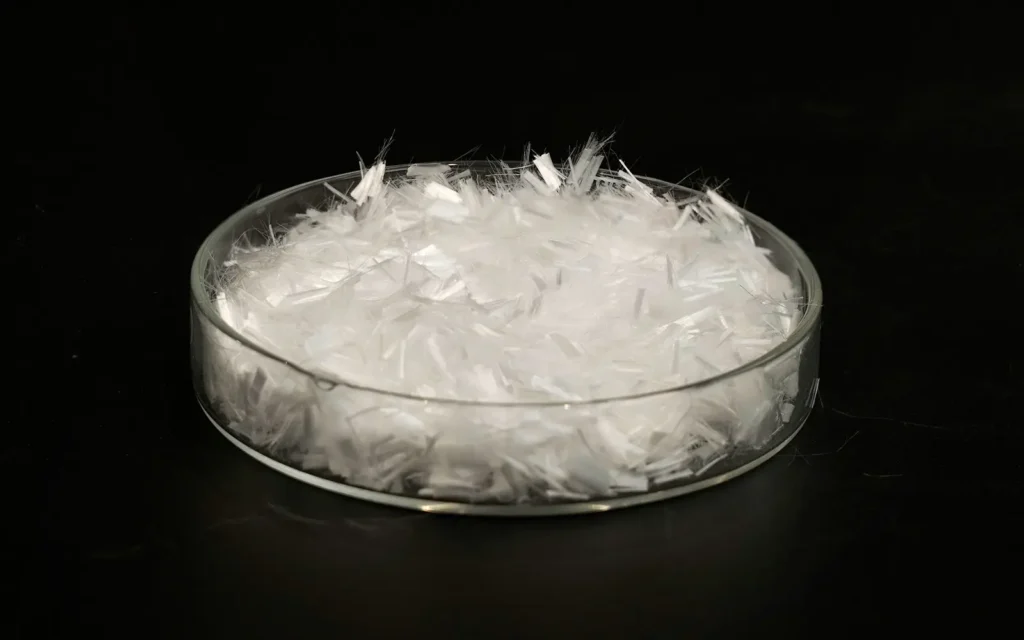
Polypropylene fibers are very thin synthetic fibers, often just a few millimeters long. When mixed into concrete, they act like a network of “micro-reinforcement” inside the concrete. This network helps:
- Control cracking: Fibers prevent small cracks from spreading.
- Improve impermeability: Water cannot easily penetrate the concrete, protecting internal structures.
- Enhance wear resistance: Fibers reduce surface erosion caused by fast-flowing water and suspended particles.
- Increase impact resistance: Concrete becomes more resilient to sudden forces, like debris hitting the structure.
However, adding fibers also slightly reduces concrete flowability, making the mix less fluid. This is where chemical admixtures like polycarboxylate superplasticizers come into play, improving workability without compromising strength.
Why Water Conservancy Projects Benefit from Fiber Concrete
Concrete in water projects is exposed to conditions far harsher than typical buildings:
- High-speed water flow: Causes surface erosion and impact damage.
- Long-term saturation: Leads to seepage and potential internal deterioration.
- Abrasion: Sediment and debris in water slowly grind down surfaces.
Traditional concrete can resist these conditions only up to a point. By incorporating PP fibers, engineers can:
- Extend service life of critical structures.
- Reduce maintenance and repair costs over time.
- Maintain strength and durability without needing higher-grade concrete.
This combination of durability and cost-effectiveness makes PP fiber concrete an ideal choice for sluice gates, spillways, penstocks, and other high-stress water-contact structures.
Optimal Mix for Performance and Workability
To get the best results, it’s important to use the right combination of fibers and additives. Industry experience shows:
- Fibra de polipropileno: Around 0.75 kg per cubic meter of concrete
- Polycarboxylate superplasticizer: Around 0.55 kg per cubic meter of concrete
This combination allows the concrete to maintain excellent strength and durability while remaining flowable and easy to place. The fibers reduce cracking and improve wear and water resistance, while the superplasticizer ensures the mix is workable and can be poured and compacted efficiently.
Real-World Performance
Concrete with polypropylene fibers performs exceptionally well in key water conservancy applications:
- Strong and durable: Compressive strength reaches levels suitable for demanding structural applications.
- Water resistant: Surfaces resist seepage and water penetration, protecting the structure over time.
- Wear resistant: Surfaces are more resistant to abrasion from water flow and sediment.
- Easy to handle: Properly proportioned fiber concrete flows well and is easy to place and finish.
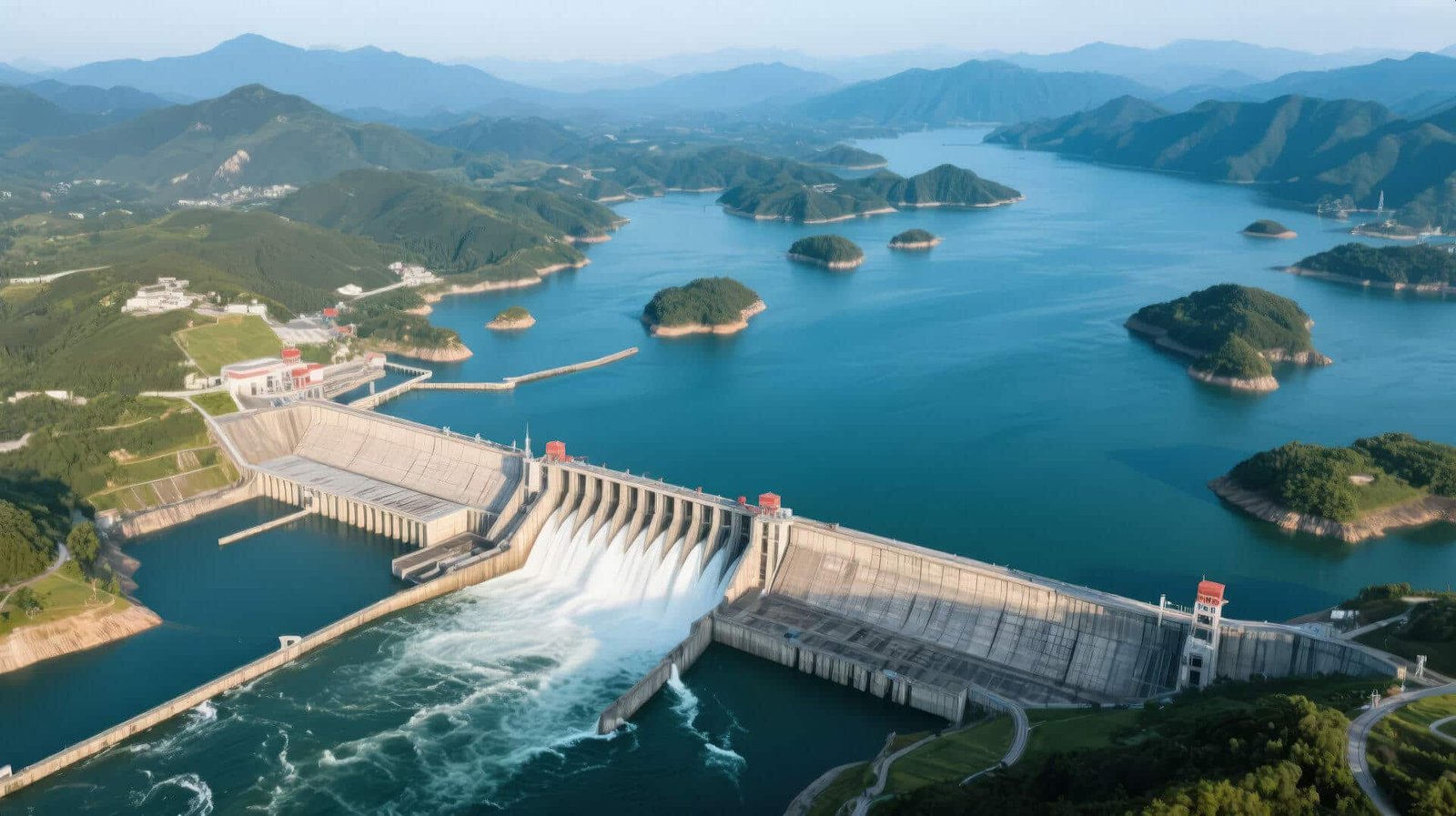
In practical terms, this means longer-lasting sluice gates, spillways, and dam surfaces that can withstand years of high-speed water flow and sediment impact.
Benefits for Water Conservancy Engineers
- Longer-lasting structures: Reduced cracking, seepage, and surface wear.
- Cost-effective: No need to increase concrete grade; fiber addition improves performance economically.
- Easy to work with: Superplasticizer ensures flowable concrete for smooth construction.
- Flexible application: Perfect for sluice gates, spillways, penstocks, and dam surfaces.
- Proven performance: Lab tests and field applications confirm reliability under harsh conditions.
Practical Tips for Construction
- Fiber distribution matters: Ensure fibers are evenly dispersed in the mix to maximize performance.
- Mix proportions: 0.75 kg/m³ PP fibers + 0.55 kg/m³ polycarboxylate superplasticizer works best.
- Equipment: Standard mixers and vibration tables are sufficient for uniform mixing.
- Monitoring: Test slump and slump flow before pouring to ensure adequate fluidity.
By following these guidelines, engineers can make the most of fiber-reinforced concrete’s durability advantages without sacrificing workability.
Applications in Water Conservancy
Polypropylene fiber concrete is ideal for high-impact, high-abrasion, and high-water-pressure areas, including:
- Sluice gates: Fibers prevent cracking and surface wear from constant water flow.
- Spillways and channels: Improves resistance to sediment erosion.
- Dam surfaces and reservoirs: Reduces seepage and prolongs service life.
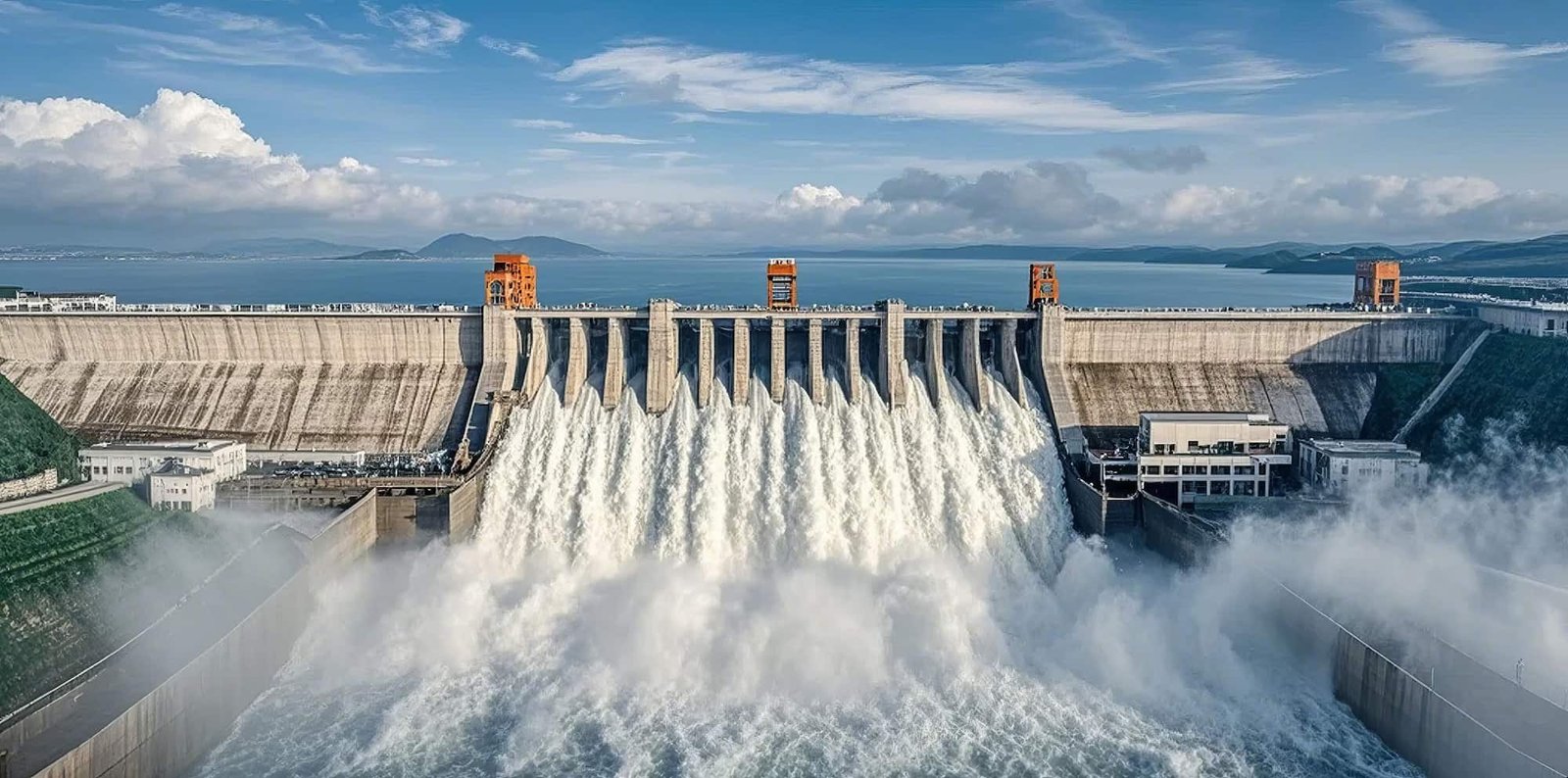
- Hydropower structures: Withstands water pressure, impact, and long-term exposure to flowing water.
Engineers using PP fiber concrete in these areas often report reduced maintenance, improved durability, and more predictable long-term performance, making it a practical choice for high-value infrastructure.
Why Polypropylene Fiber Concrete Is a Smart Choice
- Reduces maintenance costs: Fewer cracks and less surface wear mean less frequent repairs.
- Enhances structural durability: The micro-reinforcement network improves overall strength and performance.
- Maintains workability: Adding superplasticizer keeps the concrete easy to pour and compact.
- Cost-efficient solution: A relatively small addition of fibers and admixture produces significant performance gains.
- Proven industry use: Widely applied in dams, channels, gates, and spillways with positive results.
By incorporating fibra de polipropileno concrete, project managers and engineers can deliver high-performance, long-lasting water infrastructure, improving both safety and return on investment.
Conclusión
- Reduces maintenance costs: Fewer cracks and less surface wear mean less frequent repairs.
- Enhances structural durability: The micro-reinforcement network improves overall strength and performance.
- Maintains workability: Adding superplasticizer keeps the concrete easy to pour and compact.
- Cost-efficient solution: A relatively small addition of fibers and admixture produces significant performance gains.
- Proven industry use: Widely applied in dams, channels, gates, and spillways with positive results.
By incorporating polypropylene fiber concrete, project managers and engineers can deliver high-performance, long-lasting water infrastructure, improving both safety and return on investment.
