









倉庫床のひび割れ防止:合成繊維がひび割れを発生前に食い止める方法
倉庫コンクリート床のひび割れ防止
倉庫の床は、重荷重、絶え間ないフォークリフトの往来、パレットラッキングシステム、そして日常的な産業作業を支えることが求められます。コンクリート床にひび割れが生じると、見た目に影響するだけでなく、高額な補修費用、生産停止、安全リスクにつながる可能性があります。
幸いなことに、ほとんどのコンクリート床のひび割れは、適切な計画、高品質の材料、そして正確な施工方法によって防止することができます。
本ガイドでは、倉庫のコンクリート床にひび割れが生じる理由、さまざまな種類のひび割れを防止する方法、そして現代の産業建築物に最適な補強ソリューションについて説明します。

倉庫の床にひび割れが生じるのはなぜか?
コンクリートはひび割れるものです。それがコンクリートの性質です。しかし、倉庫の床はほとんどの床よりも多くひび割れが生じます。それには具体的で予測可能な理由があります。以下に 倉庫床のひび割れの5つの主な原因を示します:
1. 塑性収縮ひび割れ(最初の24時間)
打設されたばかりのコンクリートが急速に乾燥すると(通常は風、熱、低湿度が原因)、表面が下のコンクリートよりも速く収縮します。その結果、打設後数時間以内に、コンクリートがまだ硬化する前に浅いひび割れの網目状パターンが現れます。
これは倉庫スラブの初期ひび割れの最大の原因であり、適切な繊維を使用すれば完全に防止できます。
2. 乾燥収縮ひび割れ(数週間から数ヶ月)
コンクリートが養生し、時間の経過とともに水分を失うと、 収縮します。スラブが壁、柱、または路盤によって拘束されている場合、収縮により内部引張力が発生します。最終的には、どこかが破断します。コンクリートにひび割れが生じます。
3. 荷重誘起ひび割れ(継続的)
倉庫の床は、フォークリフト、積載パレット、ラックシステムなど、重く繰り返しの荷重を支えます。時間の経過とともに、これらの荷重によりスラブが撓みます。補強がない場合、小さなひび割れが大きな破断に成長します。
4. 目地の破損
施工目地と制御目地は設計上、弱点です。しかし、フォークリフトの往来により目地が欠けたり、ひび割れたり、ずれたりすると、より大きな床の破損の起点となります。
5. 路盤の問題
スラブ下の地盤が不均一に沈下すると、スラブは支持力を失い、自重によりひび割れが生じます。繊維は不適切な地盤準備を修正することはできませんが、軽微な沈下問題を橋渡しするのに役立ちます。

合成繊維が各タイプのひび割れを防止する方法
ここがほとんどの人が見落としている重要なポイントです: 異なる繊維は異なるタイプのひび割れを防止します。すべてに対応する単一の「魔法の繊維」は存在しません。
マイクロ繊維:最初の防御線
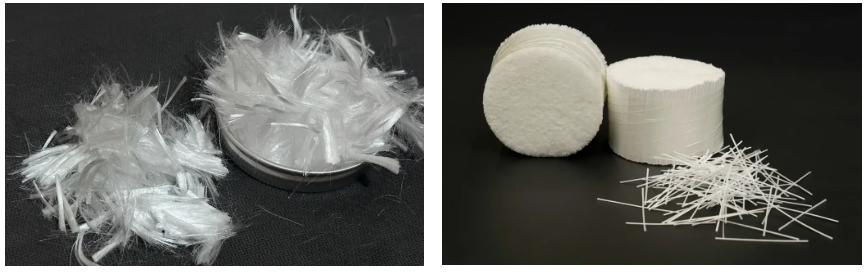
マイクロ合成繊維(通常ポリプロピレン、長さ6~19mm)は最初の24時間で機能します。まだ柔らかい状態の生コンクリートを保持する微視的なネットのようなものと考えてください。
- 防止するもの:塑性収縮ひび割れ — 初期の表面ひび割れ
- 仕組み:繊維がコンクリートマトリックス全体に分散し、乾燥時に表面が引き裂かれる原因となる引張力に抵抗します
- 添加量:ほとんどの倉庫スラブには0.9 kg/m³で十分です
- コストへの影響:最小限 — 通常、コンクリート1立方メートルあたり1.50ドル未満
マイクロ繊維は、コンクリートの寿命の最初の1日間の鉄筋のようなものです。コンクリートが硬化すると、マイクロ繊維の役割はほぼ終わりますが、それがなければ、損傷はすでに永久的なものとなっています。
マクロ繊維:構造的保険
マクロ合成繊維(ポリプロピレン、40~60mm、エンボス加工プロファイル)はコンクリートが硬化した後に機能します。何年にもわたるフォークリフトの往来に対してひび割れの拡大を防ぐ長期的な補強材です。
- 防止するもの:乾燥収縮ひび割れおよび荷重誘起ひび割れ
- 仕組み:ひび割れが形成され始めると、マクロ繊維がひび割れを橋渡ししてコンクリートを保持します。スラブは分裂せずに一体を保ちます
- 添加量:倉庫床には4~7 kg/m³(ほとんどの用途では5 kg/m³が最適値)
- 代替するもの:従来の溶接金網 — 同等以下の施工コストで。詳細な比較については、以下の記事をご覧ください 産業用床におけるマクロ繊維対スチール繊維.
マイクロ繊維が最初の1日の安全ネットなら、マクロ繊維は次の20年間の安全ネットです。フォークリフトが小さなひび割れの上を走行するたびに、マクロ繊維がひび割れをつなぎ止め、拡大を防ぎます。
両方を併用する:ハイブリッドアプローチ
倉庫床の場合、最善の方法は両方を使用することです。その理由は以下のとおりです:
| マイクロ繊維のみ | マクロ繊維のみ | ハイブリッド(マイクロ+マクロ) | |
|---|---|---|---|
| Prevents early surface cracks | ✅ | ❌ | ✅ |
| Prevents long-term structural cracks | ❌ | ✅ | ✅ |
| Replaces steel mesh | ❌ | ✅ | ✅ |
| Handles forklift traffic | ❌ | ✅ | ✅ |
| Extra cost vs plain concrete | ~$1.50/m³ | ~$6–9/m³ | ~$7–10/m³ |
| Recommendation | Not enough alone | 良好 | Best practice |
In many warehouse projects, a hybrid steel fiber and polypropylene fiber system adds approximately $7–10 per cubic meter of concrete (depending on fiber dosage and local material prices). For a typical 200 mm warehouse slab, that’s about $1.40–2.00 per square meter—far less than repairing cracked floors, where epoxy injection typically costs $15–50 per linear meter of crack and full slab replacement can exceed $50–100 per square meter. For exact dosage rates by application, check our concrete fiber dosage guide.
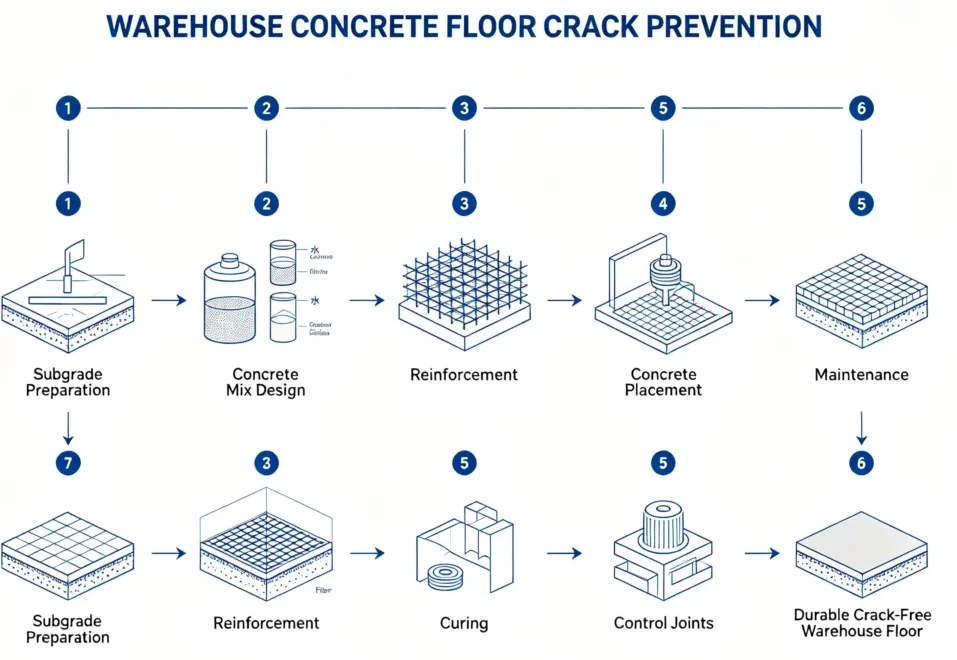
5 Practical Tips to Get the Most Out of Fiber in Your Warehouse Floor
1. Add Fiber to the Mixer the Right Way
Don’t add fiber directly to dry materials. Instead, add it after the aggregates and about 80% of the mixing water has been added. Mix for at least 90 seconds (or according to the fiber manufacturer’s recommendations) to ensure even fiber distribution and prevent fiber balls.
2. Don’t Skip Micro Fiber to Save a Few Dollars
Micro polypropylene fiber typically adds only a few dollars per cubic meter to the concrete cost, but it plays a critical role in controlling early-age plastic shrinkage cracks. Macro fiber improves the concrete’s structural performance after it hardens, while micro fiber helps reduce cracking during the first few hours after placement. Skipping micro fiber to save a small amount of money can result in much higher repair costs later.
3. Optimize Joint Spacing with Proper Design
Depending on the slab design and fiber dosage, macro fiber reinforcement may allow joint spacing to increase from the typical 4–6 meters to 6–8 meters. Fewer joints mean fewer potential weak points, lower maintenance costs, and a longer-lasting floor. However, joint spacing should always be determined by a qualified structural engineer based on project requirements.
4. Cure the Concrete Properly
Fiber reinforcement is not a substitute for proper curing. Keep the concrete surface moist for at least 7 days, or apply a suitable curing compound immediately after finishing. Fiber helps control cracks caused by internal stresses, while proper curing minimizes surface shrinkage and improves concrete strength and durability.
5. Run a Trial Batch Before Full-Scale Placement
Before placing hundreds or thousands of cubic meters of concrete, perform a small trial batch using your actual mix design and fiber dosage. Evaluate workability, finishability, and fiber distribution to identify any issues before construction begins. A short trial can help prevent costly delays, repairs, or rework on the job site.
Common Questions About Warehouse Floor Fiber
Can synthetic fiber completely replace steel mesh in a warehouse floor?
In most warehouse and distribution center applications — yes. Macro synthetic fiber at 5–7 kg/m³ provides equivalent or better crack control than traditional mesh, with faster installation and lower labor costs. The exception is suspended slabs or slabs on piles, where structural engineering requirements may still require steel reinforcement.
Will fiber affect the surface finish of my polished floor?
Micro fiber at standard dosages has no visible effect on surface finish. Macro fiber can occasionally cause minor fiber protrusion at the surface, but this is manageable with proper finishing techniques. For polished concrete floors, we recommend micro fiber at 0.9 kg/m³ as the primary reinforcement.
How much does it cost to add fiber to a warehouse floor?
For a typical hybrid fiber system (micro + macro), expect to add approximately $7–10 per cubic meter of concrete. For a 200 mm-thick slab, that equals about $1.40–2.00 per square meter. In many projects, this is less than the cost of welded wire mesh materials alone, even before considering the labor and time savings from eliminating mesh installation.
Do building codes approve fiber reinforcement?
Synthetic fiber reinforcement is recognized by ACI 544, EN 14889-2, and ASTM C1116. It’s widely accepted for slab-on-grade applications. For structural slabs, check with your local building code and structural engineer.
My warehouse floor already has cracks. Can fiber help?
Fiber is a preventive measure, not a repair product. If your floor already has cracks, you’ll need epoxy injection, routing and sealing, or a bonded overlay. But if you’re pouring a new floor or an overlay on top of the existing one, fiber in the new concrete will prevent the cracks from coming back.
Ready to Stop Cracks Before They Start?
The right fiber specification depends on your slab thickness, load requirements, joint layout, and sub-base conditions. At TenaBrix, we’ve supplied fiber for warehouse floors across 30+ countries — from small logistics facilities to major distribution centers.
Get a free fiber recommendation for your warehouse floor
Send us your project details and we’ll provide a specific dosage recommendation, cost estimate, and technical data sheet — usually within 24 hours.


