
 EN
EN  ES
ES  PT
PT  AR
AR  FR
FR Concrete is one of the most widely used construction materials in the world. It is strong in compression, durable, and cost-effective. However, traditional concrete also has some natural weaknesses. It can crack easily, especially during the early stages of drying, and it is not very strong when it comes to tension or impact resistance. That is why fiber-reinforced concrete has become more and more popular in modern construction.
By adding small fibers into concrete, we can greatly improve its performance. These fibers help control cracks, increase toughness, and extend the service life of structures. Among different types of synthetic fibers, polyester fiber is gaining strong attention. It offers excellent strength, stability, and durability while being lightweight and easy to use.
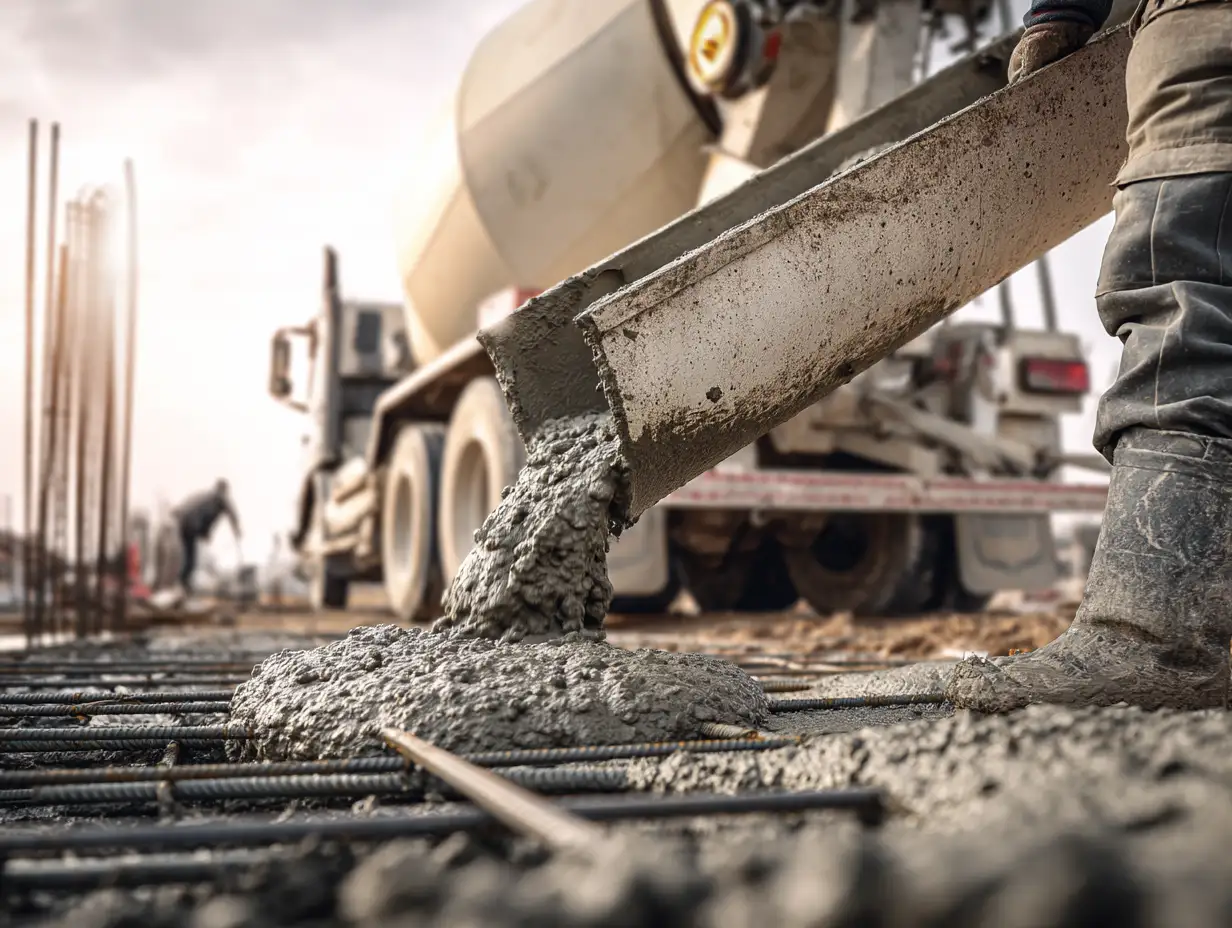
Polyester fiber in concrete is now widely applied in industrial floors, pavements, precast products, tunnels, and many other projects. It provides a reliable, corrosion-free, and cost-effective solution for improving concrete quality. In this article, we will explain what polyester fiber is, how it works in concrete, its main benefits, applications, comparisons with other fibers, and answer some common questions.
What Is Polyester (PET) Fiber?
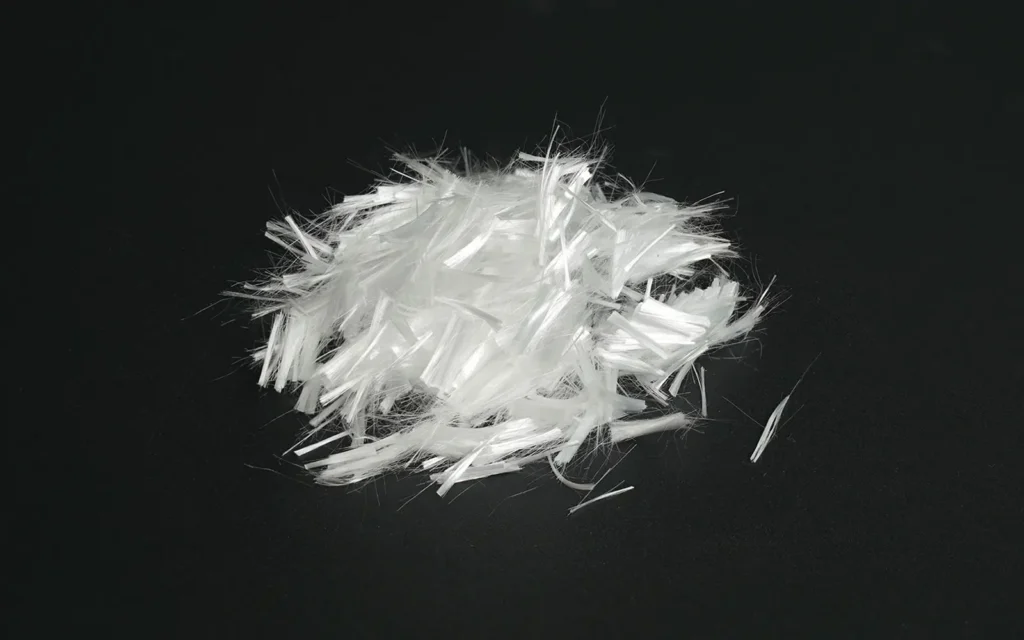
Polyester fiber is a type of synthetic fiber made through a chemical process. It is produced from organic dibasic acids and diols, which are polymerized to form long and strong polymer chains. These chains are then spun into fine fibers with controlled diameter and length.
In the construction industry, polyester fiber is specially designed for use in concrete and mortar. It is different from textile polyester fibers because it focuses more on tensile strength, stiffness, and chemical stability.
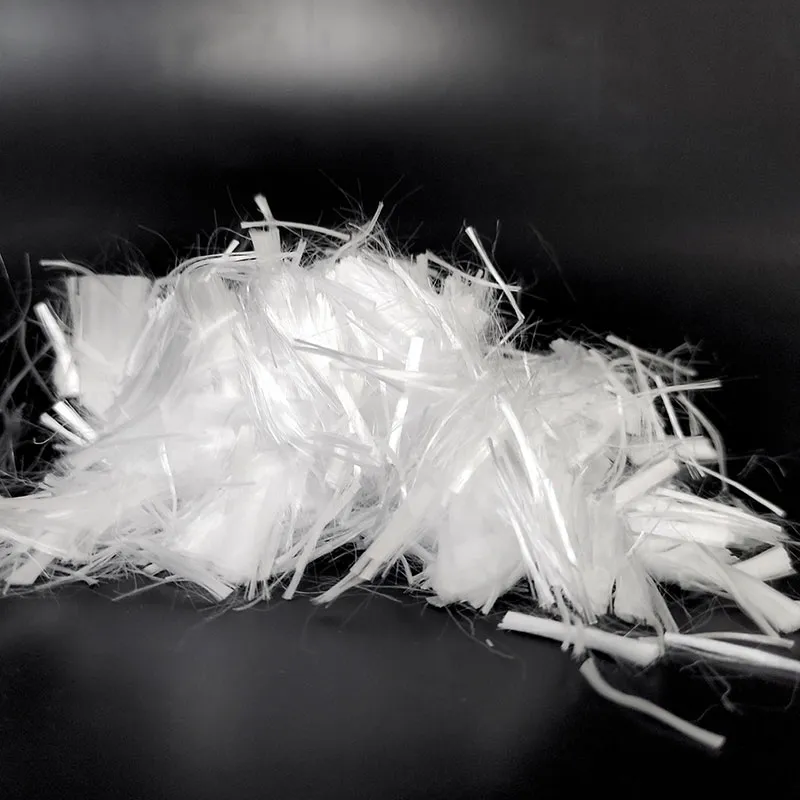
Polyester fibers are available in different lengths and diameters to match different construction needs. They are usually white or milky in appearance and disperse evenly in the concrete mix when added correctly.
How Polyester Fiber Boosts Concrete Durability?
Concrete cracks mainly because of shrinkage, temperature changes, and external stress. During the early stage of hardening, water evaporation causes plastic shrinkage, which can lead to micro-cracks. Over time, these small cracks can grow into visible and harmful cracks.
Polyester fiber works by forming a three-dimensional reinforcing network inside the concrete. When concrete starts to shrink or experience stress, the fibers help hold the material together. They bridge micro-cracks and prevent them from expanding.
Here is how polyester fiber improves concrete performance:
- Stress Distribution: Instead of stress being concentrated in one area, fibers distribute it more evenly throughout the concrete.
- Crack Control: Fibers stop tiny cracks from turning into larger ones.
- Toughness Improvement: Concrete becomes less brittle and more resistant to impact.
- Shrinkage Resistance: Polyester fibers reduce both plastic and drying shrinkage cracking.
Because polyester fibers have good bonding with cement paste, they remain firmly embedded in the concrete matrix. They work throughout the entire life of the structure, not just in the early stage.
Key Benefits of Polyester Fiber in Concrete
1. Reduces Shrinkage and Cracking
One of the biggest advantages of polyester fiber is its ability to control cracking. It significantly reduces plastic shrinkage cracks that occur in the first few hours after pouring. It also helps control drying shrinkage cracks that appear later. This leads to smoother surfaces and longer-lasting structures.
2. Improves Durability and Service Life
Concrete reinforced with polyester fiber becomes tougher and more resistant to damage. It can better withstand daily wear and tear, environmental stress, and long-term loading. This results in lower maintenance costs and longer service life.
3. Enhances Impact and Abrasion Resistance
Polyester fiber improves the ability of concrete to resist sudden impact and surface abrasion. This is especially useful in industrial floors, warehouses, and pavements where heavy machinery and traffic are common.
4. Lightweight and Easy to Mix
Unlike steel fibers, polyester fibers are very lightweight. They are easy to transport, store, and handle. They mix well with concrete and do not significantly increase the weight of the structure.
5. Cost-Effective Reinforcement
Polyester fiber offers excellent performance at a reasonable cost. It can reduce the need for additional crack control measures and minimize repair expenses in the long term. For many projects, it provides a good balance between performance and budget.
6. Corrosion-Free and Chemically Stable
Unlike steel fibers, polyester fibers do not rust. They are resistant to most chemicals and moisture. This makes them ideal for structures exposed to water, chemicals, or harsh environments.
7. Improves Overall Concrete Quality
By adding polyester fiber, concrete becomes more uniform, more stable, and more reliable. It improves both mechanical performance and appearance, especially by reducing surface cracks.
Main Applications of Polyester Fiber in Concrete
Polyester fiber can be used in many different construction projects. Its flexibility and performance make it suitable for both small and large-scale applications.
Industrial Floors and Pavements
In factories, warehouses, and parking areas, floors must withstand heavy loads and frequent traffic. Polyester fiber improves crack resistance and surface durability, helping floors last longer and remain smoother.
Precast Concrete Products
Precast elements such as panels, pipes, blocks, and slabs benefit from polyester fiber reinforcement. It reduces cracking during production, handling, and transportation.
Shotcrete and Tunnel Linings
In tunnels, mines, and slope stabilization projects, shotcrete reinforced with polyester fiber provides better toughness and crack control. It improves safety and structural reliability.
Water-Retaining Structures
Structures like swimming pools, reservoirs, and water channels require high crack resistance. Polyester fiber helps prevent leakage by reducing shrinkage cracks.
Decorative and Architectural Concrete
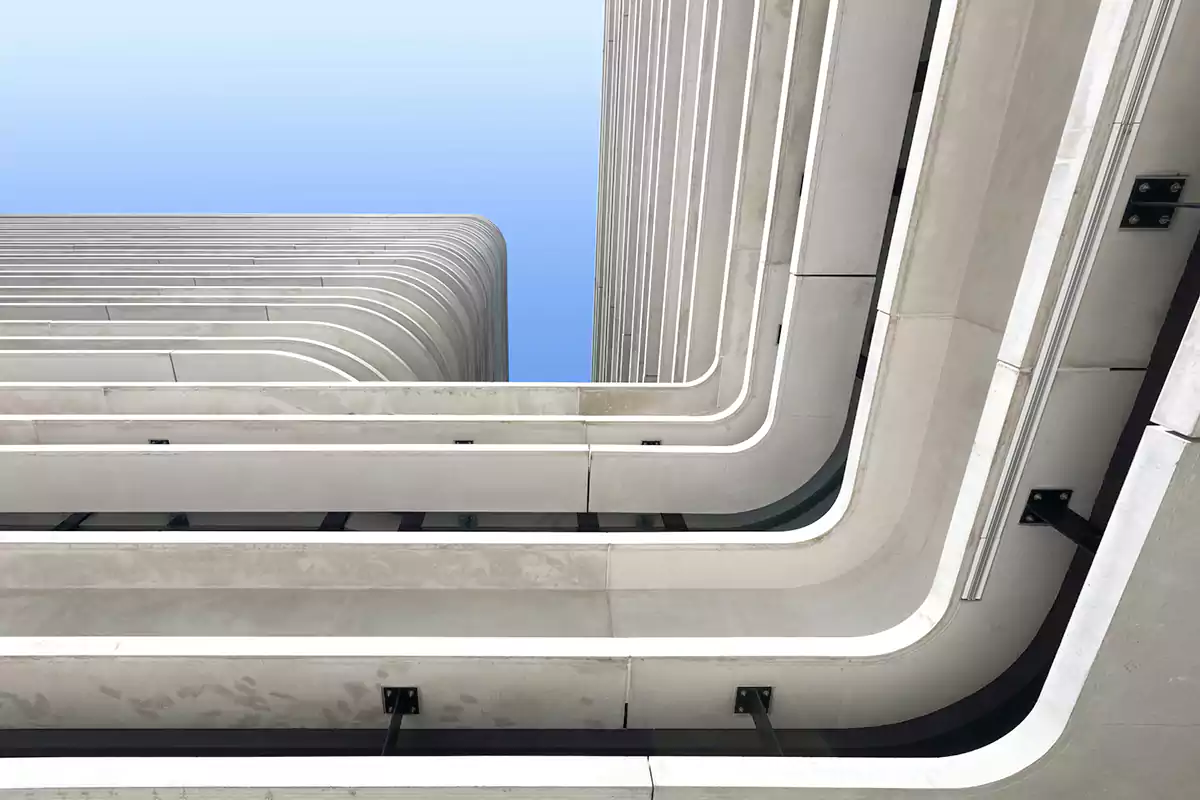
In decorative concrete, surface quality is very important. Polyester fiber minimizes surface cracks and improves appearance, making it ideal for stamped concrete, colored concrete, and architectural finishes.
Comparison With Other Concrete Fibers
Polyester Fiber vs Polypropylene (PP) Fiber
Both are synthetic fibers and used mainly for crack control. PP fibers are lighter and cheaper, but polyester fibers generally offer higher tensile strength and better long-term stability. Polyester fibers also perform better under higher temperatures.
Polyester Fiber vs Steel Fiber
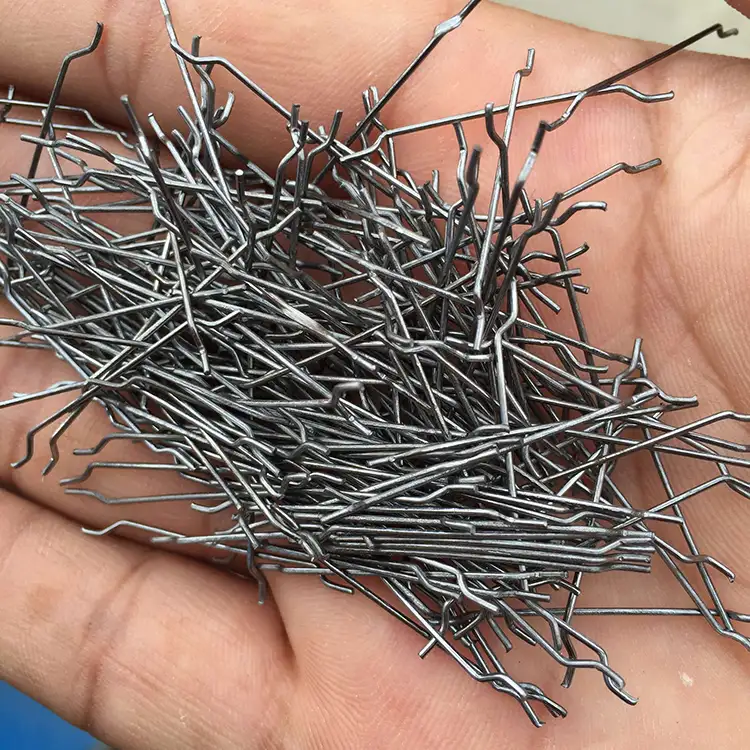
Steel fibers provide strong structural reinforcement, but they are heavy, expensive, and can corrode over time. Polyester fibers are corrosion-free, easier to handle, and better for crack control and durability rather than heavy load-bearing reinforcement.
Polyester Fiber vs PVA Fiber
PVA fibers have excellent bonding with cement but are usually more expensive. Polyester fibers provide a more economical option while still offering strong performance in most concrete applications.
In many projects, polyester fiber is chosen as a practical and balanced solution between performance, durability, and cost.
Frequently Asked Questions
Q1: What is polyester made of?
Polyester is made from organic dibasic acids and diols. These materials go through a chemical reaction called polymerization, forming long polymer chains. These chains are then processed into strong and durable synthetic fibers. In construction, polyester fibers are specially designed to meet the performance needs of concrete reinforcement.
Q2: Is polyester a synthetic fiber?
Yes, polyester is a 100% synthetic fiber. It is man-made and does not come from natural sources like cotton or wool. Because it is synthetic, it offers consistent quality, high strength, chemical stability, and excellent durability, making it very suitable for use in concrete.
Conclusion
Polyester fiber in concrete is a smart and reliable solution for modern construction. It effectively reduces cracking, improves durability, enhances impact resistance, and extends the service life of concrete structures. Being lightweight, corrosion-free, and cost-effective, it provides a strong alternative to traditional reinforcement methods and other fiber types.
Whether used in industrial floors, precast products, tunnels, or decorative concrete, polyester fiber brings clear performance benefits. By choosing high-quality polyester fiber from a trusted manufacturer, contractors and engineers can achieve stronger, more durable, and more sustainable concrete. For any project that demands better crack control and long-term reliability, polyester fiber is truly a wise investment.
