




Escolher o material de fibra sintética adequado para o concreto não é tão simples quanto pensar que “um único tipo serve para tudo”. O polipropileno (PP), o poliéster (PET) e o poliacrilonitrila (PAN) são as três fibras sintéticas mais utilizadas na construção moderna com concreto — mas cada uma delas apresenta composição química, características de desempenho e aplicações ideais fundamentalmente diferentes.
Se você está em dúvida sobre qual fibra usar — PP, PET ou PAN — no seu próximo projeto, esta comparação detalha exatamente o que você precisa saber.
O que são fibras sintéticas para concreto?
As fibras sintéticas para concreto são fibras produzidas artificialmente e adicionadas às misturas de concreto para melhorar seu desempenho. Ao contrário do reforço de aço, as fibras sintéticas são leves, resistentes à corrosão e fáceis de misturar.
São comumente utilizados em:
- Pisos de concreto
- Concreto projetado
- Pavimentos
- Concreto pré-moldado
- Construção de túneis
- Estruturas industriais
O principal objetivo das fibras sintéticas não é substituir o reforço tradicional em todas as situações, mas proporcionar um controle adicional contra fissuras e melhorar a durabilidade do concreto.
Entre as fibras sintéticas mais comuns estão:
Cada material possui propriedades únicas que o tornam adequado para diferentes aplicações.
Por que a escolha do material é importante no reforço com fibras sintéticas
As fibras sintéticas não são todas o mesmo polímero com um nome diferente. O polímero de base determina:
- Resistência à tração e módulo de elasticidade — qual é a capacidade de carga da fibra
- Resistência química — se a fibra resiste em ambientes agressivos
- Resistência aos álcalis — o que é fundamental, já que o concreto tem um pH de 12 a 13
- Estabilidade térmica — desempenho em altas temperaturas
- Adesão à matriz de cimento — determina a eficácia na ponte de fissuras
- Custo por quilograma — afeta diretamente a viabilidade econômica do projeto
Escolher o material errado pode significar a diferença entre uma vida útil de 30 anos e rachaduras prematuras logo no primeiro ano.
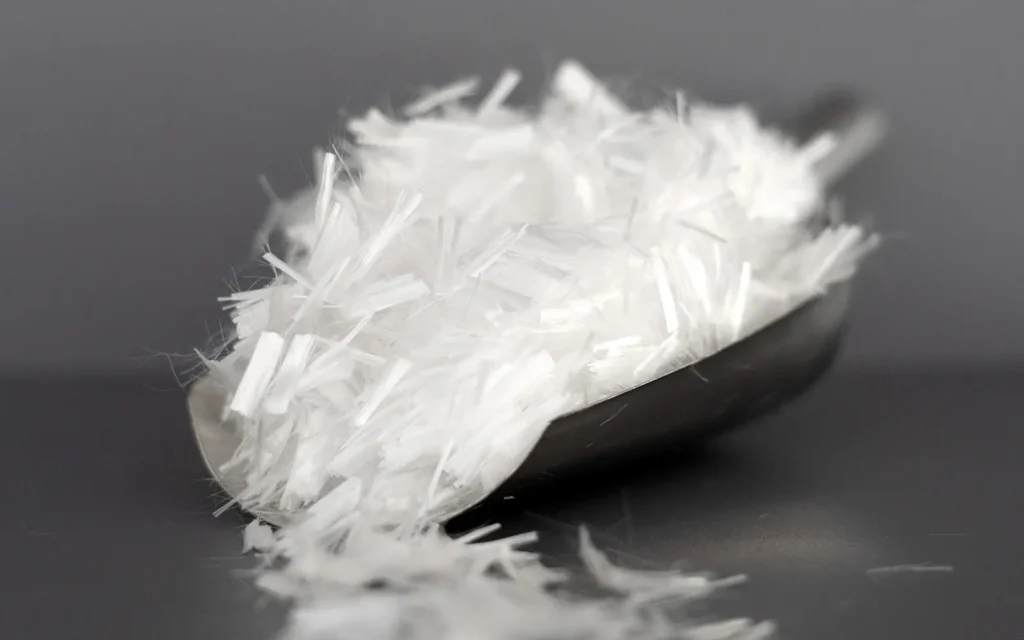
Fibra de polipropileno para reforço de concreto
O que é a fibra de polipropileno (PP)?
O polipropileno é a fibra sintética mais comum no setor da construção civil. Trata-se de um polímero termoplástico produzido a partir do monômero de propileno, conhecido por ser leve, econômico e quimicamente inerte.
Principais características
| Propriedade | Valor típico |
|---|---|
| Composição | Polipropileno |
| Densidade | 0,91 g/cm³ |
| Resistência à tração | ≥ 500 MPa |
| Módulo elástico | ≥ 4000 MPa |
| Ponto de fusão | 160 °C |
| Resistência aos álcalis | Excelente |
Formulários disponíveis
- Monofilamento — fibras de fio único, de 6 a 19 mm, para controle da retração do plástico
- Fibrilado — fibras cortadas em forma de filme que se expandem, formando uma estrutura semelhante a uma rede, durante a mistura
- Macro sintético — fibras com relevo e perfiladas (40–60 mm) para reforço estrutural
Vantagens da fibra de polipropileno
1. Excelente controle de fissuras: As fibras de polipropileno reduzem as fissuras de retração do plástico ao distribuir a tensão uniformemente por todo o concreto, melhorando a qualidade da superfície e a durabilidade.
2. Alta resistência química: A fibra de PP é resistente à água, aos álcalis, aos ácidos e à maioria dos produtos químicos, o que a torna adequada para ambientes adversos, como estações de tratamento de águas residuais, pisos industriais e estruturas marítimas.
3. Leve e fácil de misturar: Com baixa densidade e sem risco de corrosão, a fibra de polipropileno é fácil de transportar, misturar e manusear em comparação com a fibra de aço.
Melhores aplicativos
- Lajes sobre o solo para uso residencial e comercial
- Piso industrial (grau macro)
- Elementos pré-moldados
- Concreto projetado
- Qualquer aplicação em que eficiência de custos é o principal fator determinante
Fibra de poliéster para reforço de concreto
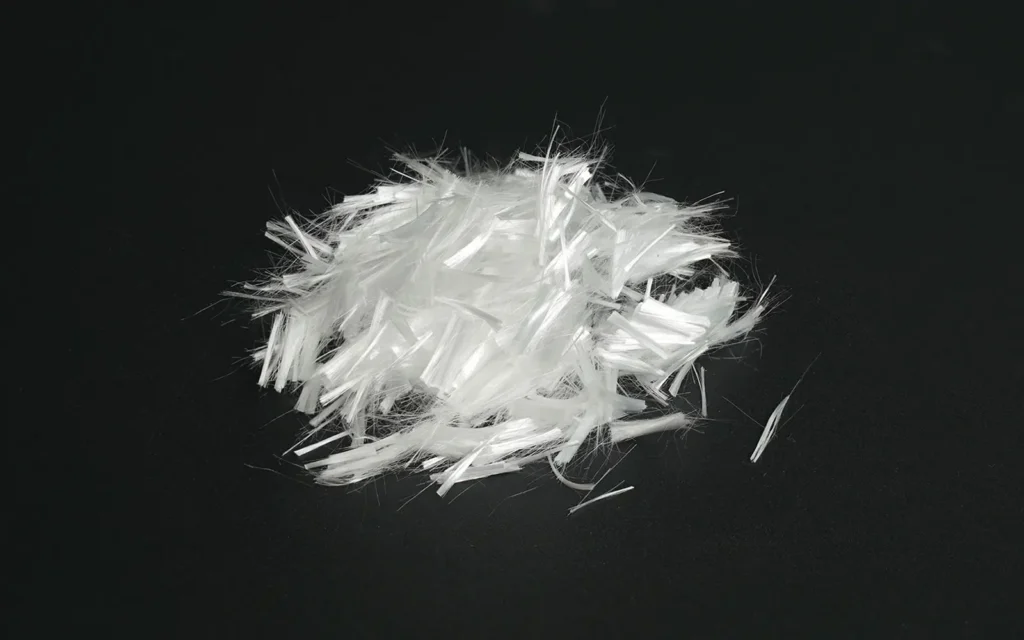
O que é fibra de poliéster (PET)?
A fibra de poliéster é fabricada a partir do tereftalato de polietileno — o mesmo polímero utilizado em garrafas de bebidas. No concreto, a fibra de PET oferece maior resistência à tração e maior módulo de elasticidade do que o PP, além de apresentar melhor desempenho em altas temperaturas.
Principais características
| Propriedade | Valor típico |
|---|---|
| Composição | Ácido dibásico orgânico e diol |
| Diâmetro | 12, 15, 18 μm |
| Resistência à tração | ≥ 1100 MPa |
| Módulo elástico | ≥ 9000Mpa |
| Ponto de fusão | 255-265 ℃ |
| Resistência aos álcalis | Bom (ligeiramente abaixo do PP) |
Principal vantagem da fibra de poliéster
- Maior resistência à tração: Em comparação com a fibra de polipropileno, a fibra de poliéster oferece maior resistência à tração, ajudando o concreto a resistir à tensão de tração, ao avanço de fissuras e a danos superficiais.
- Boa resistência à abrasão: a fibra de poliéster oferece excelente resistência ao desgaste, tornando-a adequada para áreas de alto tráfego, como pisos industriais, armazéns, calçadas e infraestrutura de transporte.
- Boa estabilidade dimensional: A fibra de poliéster mantém sua forma mesmo com variações de temperatura, garantindo um desempenho estável a longo prazo em aplicações exigentes.
Melhores aplicativos
- Reforço de concreto asfáltico (onde um ponto de fusão mais alto é fundamental)
- Elementos pré-moldados finos que exigem alta resistência inicial
- Pisos industriais onde é necessária maior rigidez
- Sistemas híbridos com macrofibra de PP
- Construção em climas quentes, onde o PP pode amolecer
Fibra PAN para reforço de concreto
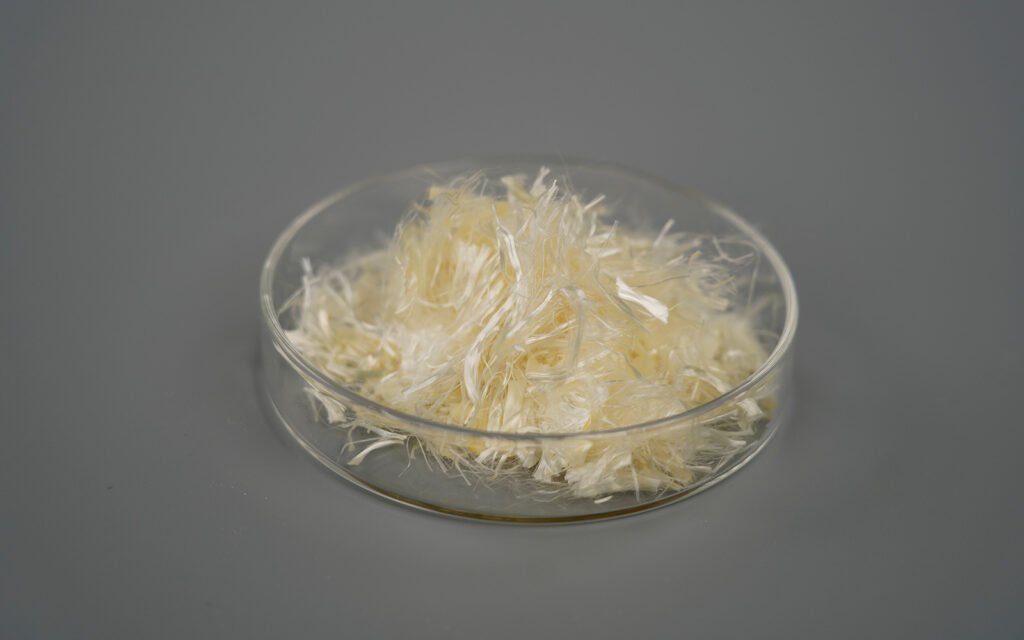
O que é a fibra PAN (poliacrilonitrila)?
A fibra PAN é a opção premium entre as fibras sintéticas para concreto. É fabricada a partir do polímero acrilonitrila e é mais conhecida por sua excepcional resistência química, estabilidade a altas temperaturas e forte aderência à matriz de cimento.
Principais características
| Propriedade | Valor típico |
|---|---|
| Composição | 100% Poliacrilonitrila |
| Diâmetro equivalente | 14-18 μm |
| Resistência à tração | ≥ 500 MPa |
| Módulo elástico | ≥ 4000 MPa |
| Resistência ao calor | ≥ 200 ℃ |
| Resistência aos álcalis | Excelente |
Vantagens da fibra PAN
Excelente desempenho mecânico: A fibra PAN oferece alta resistência à tração, tenacidade e resistência à fissuração, melhorando a capacidade do concreto de suportar cargas repetidas e impactos.
Durabilidade superior: Com excelente resistência a temperaturas extremas, ciclos de congelamento e descongelamento e tensões mecânicas, a fibra PAN é adequada para túneis, estruturas de mineração e aplicações em concreto de alto desempenho.
Aumento da tenacidade do concreto: A fibra PAN ajuda o concreto a absorver energia após a formação de fissuras, aumentando a resistência ao impacto, a durabilidade e a vida útil.
Melhores aplicativos
- Concreto de alto desempenho
- Túneis
- Aplicações na mineração
- Ambientes extremos
É a opção preferida quando se exige durabilidade e resistência máximas.
PP x PET x PAN: Comparação lado a lado
| Propriedade | Fibra PP | Fibra de PET | Fibra PAN |
|---|---|---|---|
| Densidade (g/cm³) | 0.91 | 1.38 | 1.18 |
| Resistência à tração (MPa) | 300–700 | 400–1.100 | 500–900 |
| Módulo elástico | ≥4500 MPa | ≥9.000 MPa | ≥4000 MPa |
| Ponto de fusão | ~165 °C | ~260 °C | ≥200 °C |
| Resistência aos álcalis | ★★★★★ | ★★★★☆ | ★★★★★ |
| Resistência química | ★★★★☆ | ★★★☆☆ | ★★★★★ |
| Desempenho em caso de incêndio | Ruim (derrete) | Moderado | Excelente (carboniza) |
| Adesão ao cimento | Bom | Bom | Excelente |
| Impacto na trabalhabilidade | Baixa | Moderado | Baixo–Moderado |
| Melhor para | De uso geral, com foco no custo | Rigidez, resistência ao calor | Químico, incêndio, marítimo |
Perguntas frequentes
P: A fibra PAN é sempre melhor do que a fibra PP?
R: Não. A fibra PAN se destaca pela resistência química, segurança contra incêndios e aplicações em altas temperaturas — mas, para o controle padrão de fissuras no concreto e pisos industriais, a fibra PP oferece desempenho equivalente a um custo menor. O “melhor” material depende da aplicação.
P: Posso misturar fibras de PP e PAN no mesmo concreto?
R: Sim — trata-se de uma abordagem híbrida. Por exemplo, 0,9 kg/m³ de fibra de PAN para resistência química, combinada com 5 kg/m³ de macrofibra de PP para reforço estrutural. Isso é comum nas especificações de pisos para fábricas de produtos químicos.
P: Por que a fibra de PET é menos comum do que a de PP no concreto?
R: A fibra de PP conquistou o domínio do mercado logo no início devido ao seu baixo custo, à excelente resistência aos álcalis e à ampla disponibilidade. O PET oferece vantagens marginais de desempenho que nem sempre justificam o preço mais alto. O PET é mais comum em aplicações com asfalto e geotêxteis do que no concreto.
P: O custo mais alto da fibra PAN compensa?
R: Nas aplicações certas — com certeza. No caso de tabuleiros de pontes expostos a sais de degelo, pisos de fábricas de produtos químicos, estruturas marítimas e túneis com classificação de resistência ao fogo, o desempenho químico e térmico superior da fibra PAN evita falhas cujo reparo custaria ordens de magnitude a mais. Para lajes padrão, o custo adicional é mais difícil de justificar.
P: Como posso saber qual material de fibra é o mais adequado para o meu projeto?
R: Comece identificando seu principal risco: é a exposição a produtos químicos? Segurança contra incêndios? Custo? Controle de fissuras? Depois de identificar a principal ameaça, a escolha do material fica clara. Consulte nosso Guia completo para a escolha do reforço de fibra para concreto para um modelo de tomada de decisão passo a passo.
Conclusão
Ao comparar polipropileno x poliéster x fibra de PAN para concreto, a melhor opção depende das necessidades do seu projeto.
A fibra de polipropileno é ideal para um controle de fissuras econômico e confiável. A fibra de poliéster oferece maior resistência e durabilidade para aplicações exigentes. A fibra PAN proporciona desempenho avançado para estruturas de concreto de alto desempenho.
Compreender as diferenças entre esses materiais ajuda engenheiros, empreiteiros e compradores a selecionar a solução de fibra adequada para obter melhor desempenho do concreto e maior vida útil.
Obtenha suporte especializado na seleção de materiais
Em TenaBrix, fabricamos os três tipos de fibra — PP, PET e PAN —, o que significa que podemos recomendar o material certo para o seu projeto, sem favorecer nenhum produto em particular.
Nossa equipe técnica especificou o reforço com fibra para projetos que vão desde pisos padrão de armazéns até estruturas de contenção de fábricas de produtos químicos e sistemas de segurança contra incêndio em túneis.
Entre em contato com nossa equipe para obter uma recomendação gratuita de materiais →
Analisaremos os requisitos do seu projeto e apresentaremos uma recomendação por escrito com as especificações de dosagem, normalmente em até 24 horas.