
 PT
PT  EN
EN  ES
ES  AR
AR  FR
FR À medida que os recursos globais se tornam mais limitados e os desafios ambientais aumentam, o setor de construção está enfrentando uma pressão sem precedentes para se transformar.
Como uma das principais fontes de consumo de energia e de emissões de carbono, o setor deve buscar caminhos de desenvolvimento mais eficientes e ecologicamente corretos. Diante desse cenário, "materiais de construção sustentáveis" se tornaram gradualmente um foco central do setor.
Então, o que são materiais de construção sustentáveis? Quais são suas vantagens? E como eles são aplicados em projetos de construção reais? Este artigo fornecerá uma análise abrangente.
O que são materiais de construção sustentáveis?
Os materiais de construção sustentáveis (geralmente chamados de materiais de construção ecológicos) são materiais que, durante todo o seu ciclo de vida - desde a produção e o uso até o descarte final-ter um impacto ambiental mínimo, demonstrar alta eficiência de recursos e possuir potencial de desenvolvimento de longo prazo.
Em resumo, esses materiais se concentram não apenas na "usabilidade", mas também na:
- Respeito ao meio ambiente
- Eficiência energética
- Reciclabilidade
- Segurança para a saúde humana
Por exemplo, concreto reciclado, bambu, revestimentos com baixo teor de COVe materiais fotovoltaicos são todos exemplos típicos de materiais de construção sustentáveis.
Em comparação com os materiais de construção tradicionais, eles não apenas reduzem a dependência de recursos naturais, mas também diminuem o consumo de energia e a poluição durante todo o ciclo de vida do edifício.
Por que eles são importantes - Vantagens dos materiais de construção sustentáveis
Os materiais sustentáveis não são apenas uma tendência - eles estão se tornando essenciais. Vamos dar uma olhada nos principais benefícios.
1. Menor impacto ambiental
Os materiais de construção tradicionais, como cimento e aço, exigem muita energia para serem produzidos. Isso leva a altas emissões de carbono.
Os materiais sustentáveis oferecem uma maneira de reduzir esse impacto ambiental por meio da utilização de recursos reciclados ou renováveis, da redução da energia consumida durante a produção e da minimização dos resíduos de construção.
Por exemplo, concreto reciclado pode reduzir as emissões de carbono em cerca de 20-30% em comparação com o concreto tradicional.
2. Melhor eficiência energética
A eficiência energética é uma das vantagens mais significativas dos materiais de construção sustentáveis. Em geral, esses materiais oferecem excelentes propriedades de isolamento térmico, reduzindo efetivamente o consumo de energia de um edifício.
Ao utilizar materiais de isolamento de alto desempenho, vidro Low-E e painéis de isolamento a vácuo, é possível:
- Reduzir a perda de calor dos edifícios
- Menor consumo de energia para ar condicionado e aquecimento
- Melhorar a eficiência energética geral
Por exemplo, edifícios equipados com sistemas de isolamento de alta eficiência podem reduzir o consumo anual de energia em cerca de 20% ou mais.
3. Vida útil e durabilidade mais longas
Os materiais de construção sustentáveis geralmente têm um maior vida útil e maior durabilidadeA utilização de novos materiais de impermeabilização com vida útil prolongada e maior durabilidade pode reduzir a necessidade de reparos e substituições de telhados e paredes externas durante a fase operacional do edifício. Por exemplo, o uso de novos materiais de impermeabilização com vida útil prolongada e maior durabilidade pode reduzir a necessidade de reparos na impermeabilização do telhado e das paredes externas durante a fase operacional do edifício.
Os materiais sustentáveis geralmente oferecem resistência superior à corrosão e ao envelhecimento, como materiais compostos reforçados com fibra (FRP). Em certos ambientes adversos, sua vida útil pode até mesmo exceder a dos materiais tradicionais em mais de 20 anos.
4. Reciclabilidade e uso circular
Muitos materiais de construção ecológicos têm excelente capacidade de reciclagem; por exemplo, a taxa de reciclagem do aço pode exceder 90%.
Essa característica de "reciclagem" pode:
- Reduzir o desperdício de recursos
- Diminuir a demanda pela produção de novos materiais
- Impulsionar o setor de construção em direção a uma economia circular
5. Espaços de vida mais saudáveis
Os materiais sustentáveis também melhoram os ambientes internos.
Por exemplo:
- Os revestimentos com baixo teor de COV reduzem as emissões nocivas
- Os materiais de isolamento natural melhoram a qualidade do ar
- Materiais que regulam a umidade reduzem o risco de mofo
Isso cria edifícios mais saudáveis e mais confortáveis para as pessoas.

Os 23 principais tipos de materiais de construção sustentáveis
1. Bambu
O bambu é um dos materiais de construção renováveis que mais crescem no mundo e pode ser totalmente utilizado com o mínimo de resíduos. É biodegradável, tem uma alta relação resistência/peso e oferece uma baixa pegada ambiental durante todo o seu ciclo de vida, o que o torna uma alternativa sustentável amplamente reconhecida em relação à madeira convencional.
2. Madeira maciça (madeira projetada)
A madeira maciça é produzida pela laminação de camadas de madeira para formar elementos estruturais de alta resistência. Apesar de ser significativamente mais leve do que o concreto ou o aço, ela atinge um desempenho estrutural comparável e, ao mesmo tempo, armazena carbono e reduz as emissões relacionadas à construção.
3. Cortiça
A cortiça é extraída da casca da árvore sem cortá-la, o que permite a regeneração contínua. Ela tem capacidade natural de sequestro de carbono, excelente trabalhabilidade e propriedades favoráveis de isolamento térmico e acústico, o que a torna um material de construção altamente sustentável.
4. Fardo de palha
A construção com fardos de palha utiliza subprodutos agrícolas que são biodegradáveis. Os fardos de palha proporcionam um isolamento térmico superior em comparação com muitos materiais convencionais e representam uma solução de baixo custo e baixo teor de carbono, particularmente adequada para edifícios baixos.
5. Lã de ovelha
A lã de ovelha é um material de isolamento natural conhecido por sua capacidade de regular a umidade e melhorar a qualidade do ar interno. Ela é renováveis, biodegradávele eficaz em aplicações de isolamento térmico e acústico.
6. Cob (sabugo de milho/mistura de terra)
O Cob é um material de construção tradicional feito de agregados naturais, como solo e fibras vegetais. É biodegradável, de origem local e requer muito pouca energia incorporada, o que o torna uma opção de construção ecologicamente correta.
7. Hempcrete
O Hempcrete é um material biocomposto feito de fibras de cânhamo e cal. Ele é leve, respirável e tem potencial para um desempenho negativo em termos de carbono devido ao carbono absorvido durante o crescimento do cânhamo.
8. Terra batida
As paredes de terra batida são formadas pela compactação do solo de origem local em fôrmas. O material tem alta massa térmica, o que ajuda a regular as temperaturas internas e a reduzir o consumo de energia, além de exigir um processamento mínimo.
9. Cob (construção à base de terra)
Os materiais de espiga à base de terra consistem em solo rico em argila, areia e palha. Sua produção gera quase zero emissões de carbonoe podem ser obtidos diretamente do local da construção, minimizando os impactos do transporte.
10. Blocos de terra comprimida (CEB)
Os blocos de terra comprimida são unidades semelhantes a tijolos feitos de solo natural compactado. Eles podem ser produzidos no local com baixo consumo de energia, oferecendo uma alternativa de baixo carbono aos tijolos cozidos.
11. Tijolo de barro
Os tijolos de barro são duráveis, recicláveis e geralmente disponíveis localmente. Sua longa vida útil e sua capacidade de reutilização reduzem a necessidade de substituição frequente, diminuindo os impactos ambientais de longo prazo.
12. Aço reciclado
O aço reciclado pode ser reutilizado várias vezes sem perda de desempenho. Os edifícios construídos com aço podem alcançar uma recuperação quase completa do material no final de seu ciclo de vida, reduzindo significativamente a extração de recursos.
13. Plástico reciclado
O plástico reciclado é usado em produtos como tijolos, telhados e pisos. Ele oferece alta durabilidade, resistência à água e resistência à corrosão e, ao mesmo tempo, desvia os resíduos plásticos dos aterros sanitários.
14. Vidro reciclado
O vidro reciclado requer muito menos energia para ser processado do que o vidro virgem e mantém a mesma resistência e qualidade. Ele é comumente usado em acabamentos arquitetônicos e componentes de construção.
15. Borracha reciclada
Derivada principalmente de resíduos de pneus, a borracha reciclada é usada em materiais inovadores, como o concreto emborrachado. Ela aumenta a flexibilidade e a durabilidade e, ao mesmo tempo, enfrenta um grande desafio de gerenciamento de resíduos.
16. Concreto Agregado Reciclado
O concreto com agregado reciclado substitui a areia e o cascalho naturais por resíduos de construção triturados, como concreto e tijolos demolidos. Aplicações avançadas demonstraram resistências à compressão de 100 a 200 MPa e reduziram as emissões de carbono em 30-50%.
17. GRG (gesso reforçado com fibra de vidro)
O GRG é feito de gesso, um material reciclável e de baixo consumo de energia, reforçado com fibras de vidro. Sua alta plasticidade permite a fabricação de formas complexas com o mínimo de desperdício de material.
18. Fibra de celulose
Fibra de celulose é produzido a partir de fontes vegetais renováveis, como madeira, palha e polpa de bambu. Geralmente feito de resíduos agrícolas ou florestais, é biodegradável e amplamente utilizado como material de isolamento de baixo carbono.
19. Fibra de basalto
Fibra de basalto é fabricado a partir de rocha vulcânica natural e é considerado um "puro natural" material ecológico. Sua produção gera emissões mínimas de resíduos.
20. Fibra PET
Fibra de poliéstertambém conhecida como fibra PET, é produzida a partir de garrafas plásticas recicladas, transformando resíduos plásticos em reforço de construção de alto valor. Pesquisas mostram que a adição de fibra PET ao concreto pode aumentar a resistência à compressão por aproximadamente 13% e resistência à tração em até 50%.
21. Madeira de jornal
O Newspaperwood é fabricado pela compressão de jornais reciclados em painéis sólidos. Ele pode substituir parcialmente os produtos de madeira tradicionais e, ao mesmo tempo, estender o ciclo de vida dos resíduos de papel.
22. Espuma de poliuretano de base biológica
A espuma de base biológica é produzida a partir de fibras vegetais e serve como alternativa aos materiais de isolamento à base de petróleo. Ela reduz a dependência de recursos fósseis e, ao mesmo tempo, mantém um desempenho térmico eficaz.
23. Ferrock (alternativa de concreto com carbono negativo)
O Ferrock é feito de resíduos reciclados da indústria siderúrgica e absorve CO₂ durante seu processo de cura. Essa propriedade exclusiva permite que ele atinja um desempenho de carbono negativo e, ao mesmo tempo, proporcione alta resistência estrutural.
Aplicações de materiais de construção sustentáveis
Os materiais sustentáveis já são amplamente utilizados em diferentes partes da construção.
1. Projeto de edifícios com eficiência energética
Eles desempenham um papel fundamental na redução do consumo de energia.
Os aplicativos incluem:
- Sistemas de isolamento de paredes
- Janelas de alto desempenho
- Materiais térmicos para telhados
Eles ajudam os edifícios a se manterem aquecidos no inverno e frescos no verão.
2. Engenharia estrutural
Os materiais sustentáveis não são mais apenas "complementos" - eles podem ser estruturais.
Exemplos:
- Bambu usado em estruturas de suporte de carga
- Concreto reciclado em fundações
- Materiais reforçados com fibra para maior durabilidade
Eles combinam força com sustentabilidade.
3. Integração de energia verde
Muitos materiais sustentáveis funcionam em conjunto com sistemas de energia renovável.
Exemplos:
- Painéis solares integrados aos telhados
- Materiais que guiam a luz para a luz natural
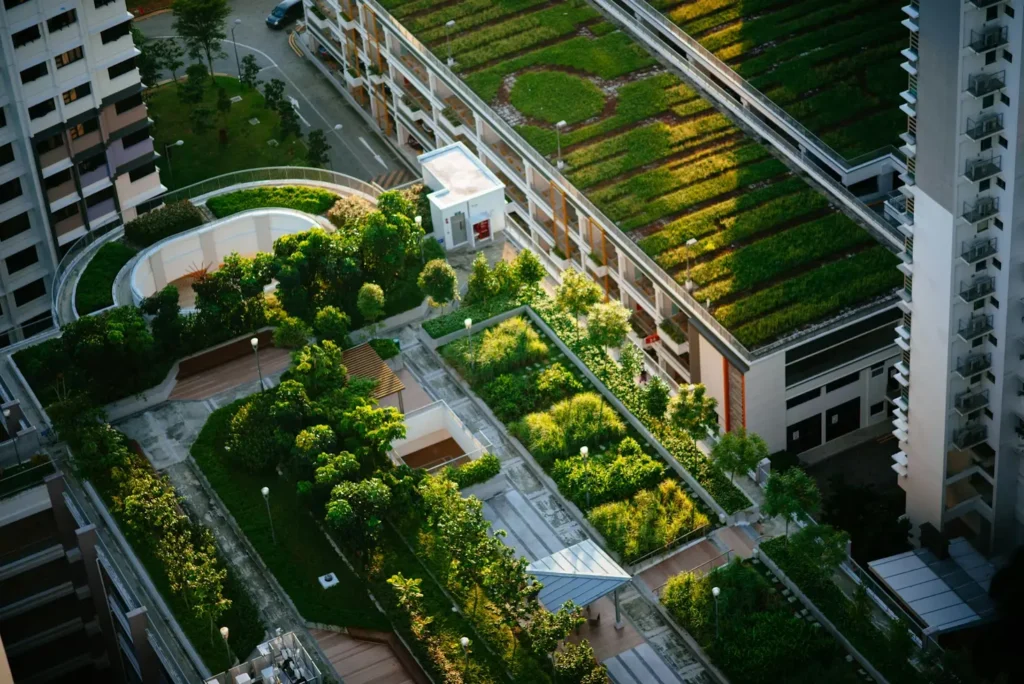
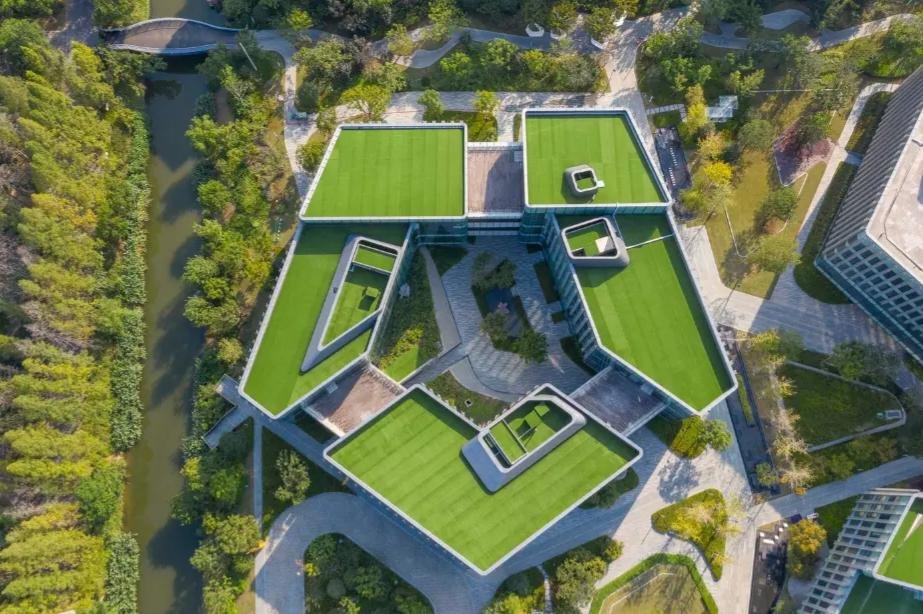
- Telhados verdes que regulam a temperatura
Esses sistemas ajudam os edifícios a avançar em direção a metas de energia zero.
4. Melhoria urbana e ambiental
Os materiais sustentáveis também melhoram as cidades como um todo.
Eles podem:
- Reduzir os efeitos da ilha de calor urbana
- Melhorar a qualidade do ar
- Aprimorar o gerenciamento da água
Pesquisas sugerem que os materiais verdes podem melhorar a qualidade do ar em cerca de 15% em áreas urbanas.
Desafios a serem considerados
Embora os materiais sustentáveis ofereçam muitos benefícios, eles não estão isentos de desafios.
Alguns problemas comuns incluem o custo inicial mais alto em alguns casos, a disponibilidade limitada em determinadas regiões e a falta de conscientização ou de conhecimento técnico.
No entanto, à medida que a tecnologia melhora e a demanda cresce, essas barreiras estão diminuindo rapidamente.
Conclusão
Os materiais de construção sustentáveis não são mais opcionais - eles estão se tornando a base da construção moderna.
Eles ajudam:
- Reduzir as emissões de carbono
- Melhorar a eficiência energética
- Aumentar a vida útil do edifício
- Apoiar uma economia circular
O mais importante é que eles oferecem uma maneira prática de criar um futuro mais verde e mais responsável.
Para as empresas do setor de materiais de construção, essa mudança também é uma grande oportunidade. Ao adotar e desenvolver soluções sustentáveis - como reforços avançados de fibra e materiais reciclados - você pode ficar à frente em um mercado em rápida evolução e, ao mesmo tempo, contribuir para as metas globais de sustentabilidade.
