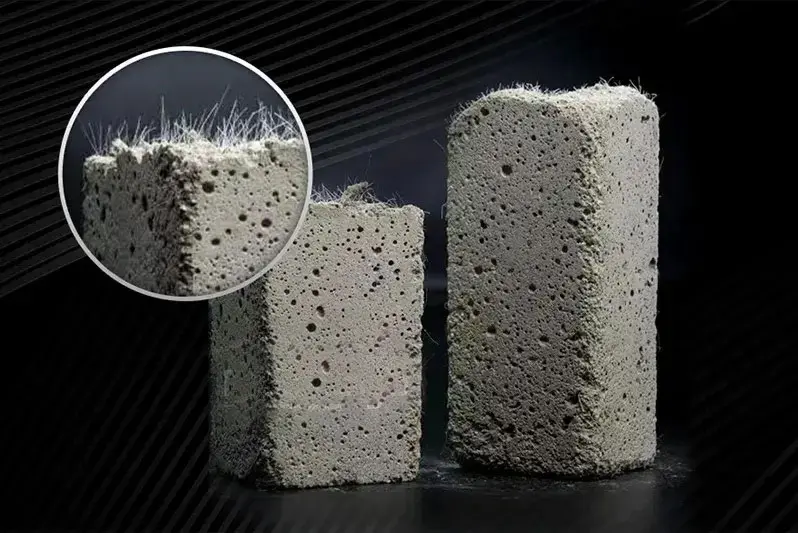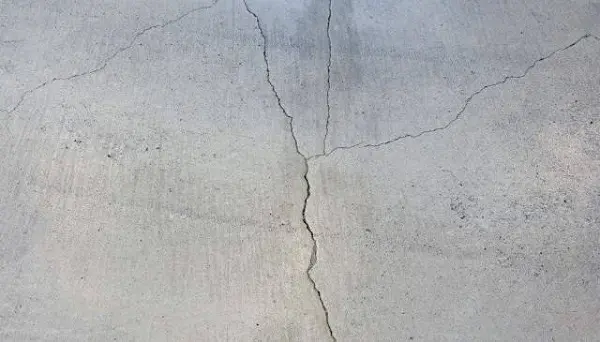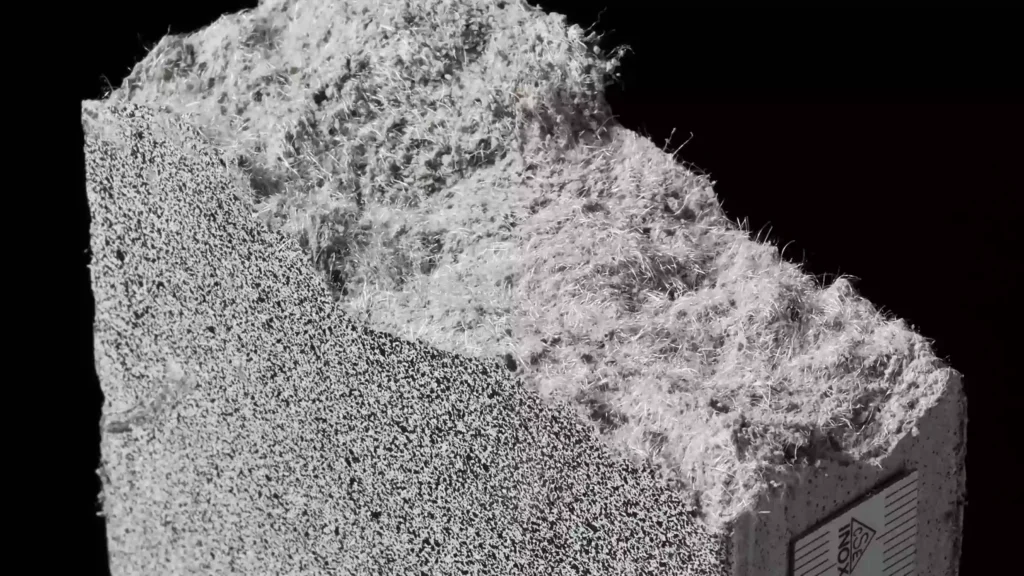






If you are searching for polypropylene fiber for concrete, you’ve likely come across two main types: Micro polypropylene fiber (monofilament fiber) Macro synthetic fiber (steel fiber alternative) But what is the real difference between them? More importantly — which one is right for your concrete project? In this guide, we break down the manufacturing process, performance differences, and applications to help you choose the best solution. What is Polypropylene Fiber for Concrete? Polypropylene fiber for concrete is a type of synthetic reinforcement material used to: Control cracking Improve durability Enhance concrete performance According to industry applications, these fibers are widely used in industrial flooring, precast concrete, tunnels, and shotcrete. Micro Polypropylene Fiber (Monofilament Fiber) Manufacturing Process (Melt Spinning Technology) Micro fiber is produced through a textile-based process: Polypropylene melting Extrusion through spinneret Cooling and solidification Multi-stage drawing Heat setting Cutting into short fibers (6–18 mm) Key Features of Micro PP Fiber Ultra-fine diameter (micron level) High dispersion in concrete Smooth surface Typical dosage: 0.6–1.0 kg/m³ Main Function in Concrete Micro fibers are designed to: Reduce plastic shrinkage cracks Minimize early-stage cracking