
 PT
PT  EN
EN  ES
ES  AR
AR  FR
FR Concrete is one of the most durable and widely used construction materials in the world. From driveways and sidewalks to skyscrapers and bridge decks, it forms the backbone of modern infrastructure. However, even the strongest concrete can develop cracks over time. While these cracks may seem alarming, they are often a natural part of concrete’s lifecycle.
The good news is that with proper planning, quality materials, and correct installation techniques, many types of cracking can be significantly reduced or even prevented. In this article, we will explore the primary reasons for concrete cracks and provide practical strategies to keep your concrete structures strong and long-lasting.
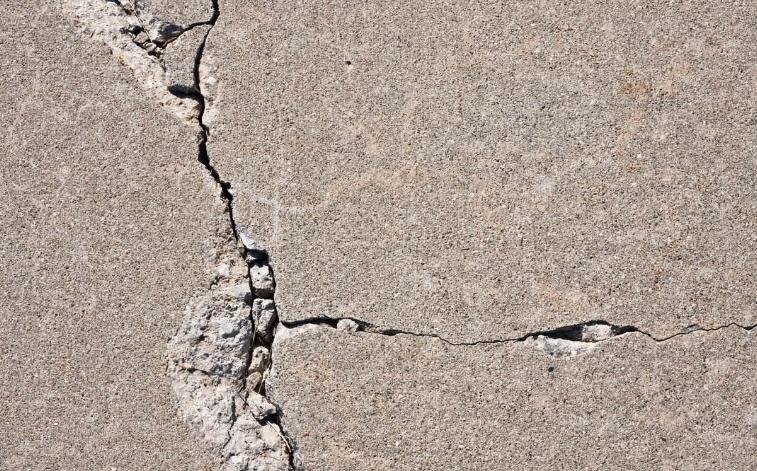
Why Does Concrete Crack?
Concrete cracks for a few fundamental reasons, and most of them come down to how it behaves as it hardens and responds to forces over time.
1. Shrinkage Cracking
Concrete undergoes a natural process called shrinkage as it dries and cures. When water evaporates from the concrete mix, the material contracts. If this contraction is restrained—by the ground, rebar, or adjacent structures—tensile stresses build up. Since concrete is strong in compression but weak in tension, cracks can form. This is especially common in large slabs without proper control joints. Shrinkage cracks often appear within the first few weeks after pouring.
2. Soil Settlement and Ground Movement
The ground beneath concrete is not always stable. Poorly compacted soil, changes in moisture content, freeze-thaw cycles, or the presence of tree roots can cause the ground to shift. When the soil moves unevenly, the concrete slab may experience differential settlement, leading to stress concentrations and cracking. This type of cracking is often wider and more irregular than shrinkage cracks.
3. Temperature Changes (Thermal Expansion and Contraction)
Concrete expands when heated and contracts when cooled. In regions with significant temperature fluctuations, daily or seasonal thermal cycles can generate internal stresses. Without adequate expansion joints, these stresses can cause cracks. Thermal cracking is particularly common in large concrete structures exposed to direct sunlight or extreme weather conditions.
4. Overloading and Impact
Concrete is designed to withstand specific loads. When subjected to heavy vehicles, equipment, or repeated impact forces beyond its design capacity, the material can crack. Overloading often leads to structural cracks that may compromise the integrity of the concrete element. This is a common issue in pisos industriais, parking lots, and driveways.
5. Weak tensile strength
Concrete is very strong under compression (being squeezed), but weak under tension (being pulled apart).
So when forces like bending, settling, or loads try to stretch it, cracks form easily unless reinforcement (like fibras de aço) is added.
6. Freeze–thaw damage
In cold climates, water can seep into tiny pores in concrete. When it freezes, it expands, creating internal pressure that eventually leads to cracks.
7. Poor Mix Design or Improper Installation
The quality of concrete depends heavily on its mix proportions and installation practices. Common mistakes include:
- Using too much water in the mix (increases porosity and reduces strength)
- Insufficient cement content
- Lack of proper reinforcement (steel bars or fibers)
- Inadequate curing (allowing concrete to dry too quickly)
Any of these factors can significantly weaken the concrete and increase its susceptibility to cracking.

How to Prevent Concrete Cracking
1. Prepare the Subgrade Properly
A solid foundation is essential. Before pouring concrete, the soil should be properly compacted to minimize future settlement. Adding a layer of gravel or crushed stone can improve drainage and reduce the risk of ground movement. The subgrade should be level and free of organic material.
2. Use the Right Concrete Mix
A well-designed mix is the foundation of crack-resistant concrete.
Key practices:
- Avoid adding too much water
- Use the correct cement-to-water ratio
- Choose proper aggregate sizes
- Consider additives like:
- fiber reinforcement
- shrinkage reducers
- water reducers
Por exemplo, concreto reforçado com fibra de polipropileno can help reduce plastic shrinkage cracking.
3. Use Reinforcement Materials
Reinforcement dramatically improves concrete’s tensile strength and crack resistance. Two common options exist:
- Steel reinforcement: Rebar or welded wire mesh provides strong reinforcement for structural applications. However, steel can corrode over time, especially in wet environments.
- Fiber reinforcement: Modern synthetic and steel fibers offer an excellent alternative or complement to traditional rebar.
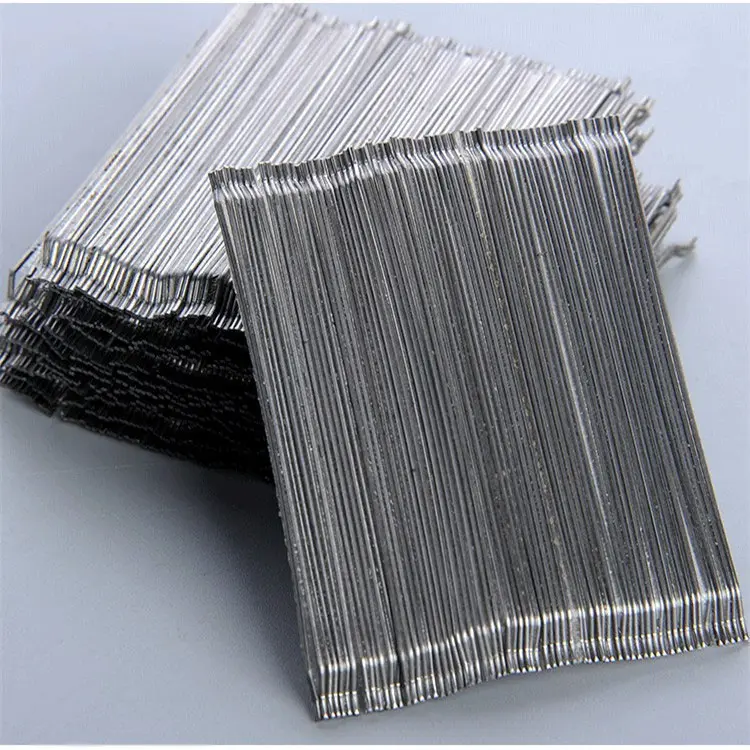
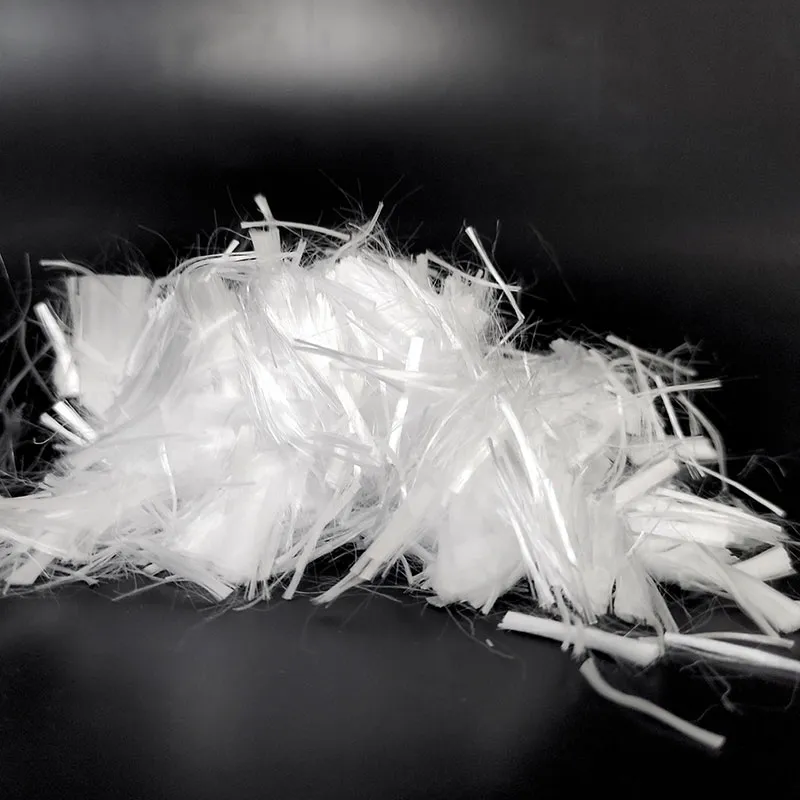
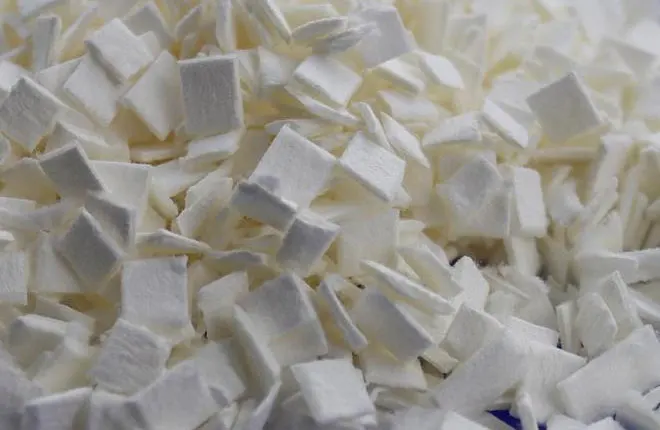
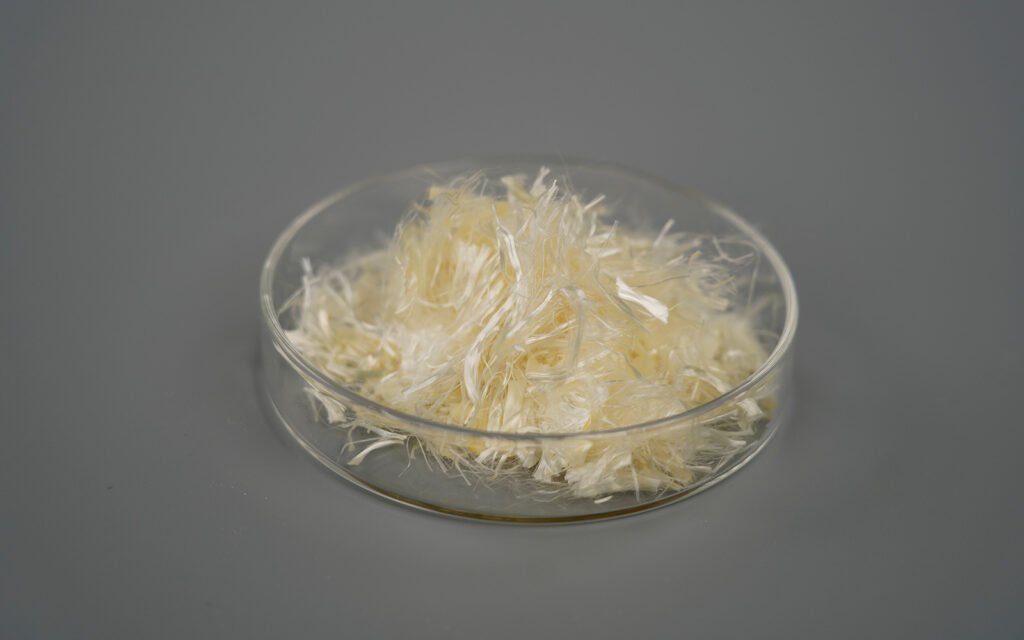
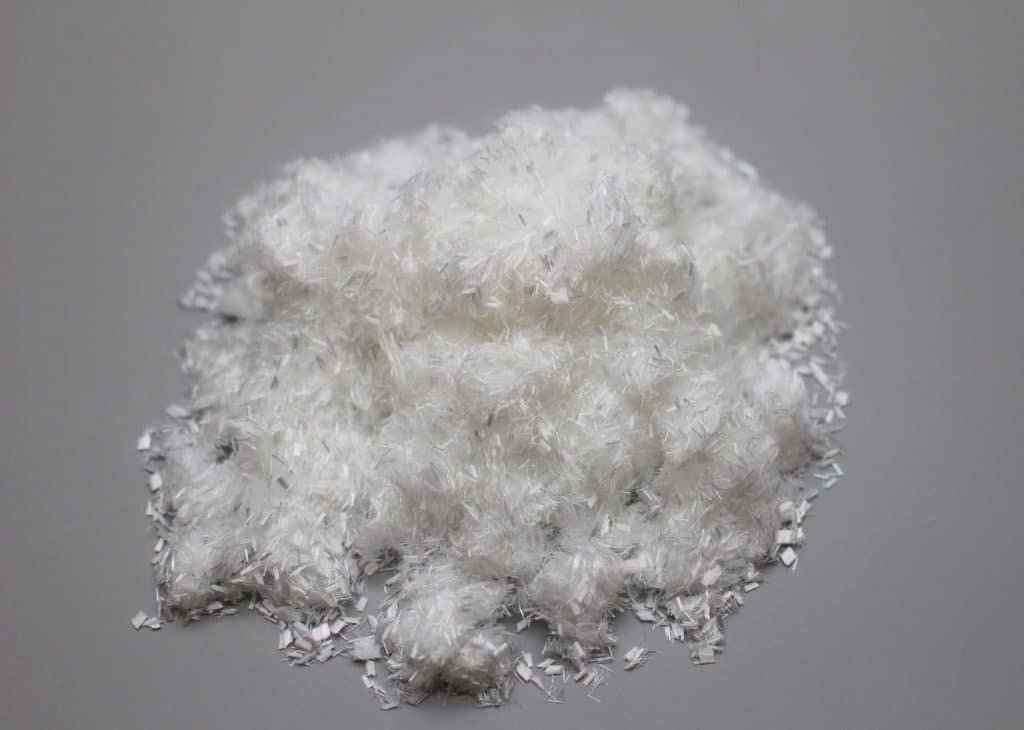
Em Tenabrix, we provide a comprehensive range of fiber solutions designed to enhance concrete performance. Our Synthetic Fiber products control plastic shrinkage cracking in early-age concrete. Fibra Fibrilada provides a network of reinforcement that improves surface durability. For maximum structural strength, our Fibras de aço para concreto deliver outstanding flexural and tensile performance. Natural options like Fibra de celulose and advanced Fibra de poliacrilonitrila e Fibra de poliéster are also available for specialized applications requiring chemical resistance, thermal stability, or reduced weight.
4. Install Control Joints (Contraction Joints)
Control joints are intentionally placed grooves or cuts in concrete that create weak planes. When the concrete shrinks or moves, cracks will occur along these predetermined lines rather than randomly across the surface. Control joints should be spaced according to the slab thickness and environmental conditions—typically every 2 to 3 meters for a standard driveway.
5. Proper Curing
Curing is the process of maintaining adequate moisture and temperature conditions in freshly placed concrete to allow proper hydration of the cement. Proper curing should last at least 7 days. Methods include:
- Keeping the surface continuously wet with water spray
- Covering with wet burlap or plastic sheeting
- Using curing compounds (liquid membranes)
Inadequate curing is one of the most common causes of early-age cracking. Concrete that dries too quickly loses strength and becomes brittle.
6. Apply a Concrete Sealer
A high-quality concrete sealer provides a protective barrier against moisture, chemicals, and freeze-thaw damage. Sealers reduce water absorption and prevent the expansion of water within the concrete pores during freezing conditions. They also help maintain the concrete’s surface integrity, reducing the risk of surface cracking and spalling.
7. Avoid Early Loading
Newly placed concrete needs time to gain sufficient strength before bearing loads. For most residential applications, avoid heavy traffic or concentrated loads for at least 7 days. For industrial or commercial floors, the waiting period may be longer. Always follow the specified curing time before allowing vehicle traffic or heavy equipment on the concrete.
8. Avoid Rapid Drying
Hot weather, wind, and low humidity can cause surface shrinkage cracks.
To reduce rapid moisture loss:
- Pour during cooler times of day
- Use windbreaks or sunshades
- Mist the surface lightly
- Start curing quickly after finishing
What If Concrete Has Already Cracked?
Cracking doesn’t always mean failure. Depending on the type and severity, many cracks can be repaired:
| Crack Type | Repair Method |
|---|---|
| Fine surface cracks (hairline) | Use crack filler or concrete sealant |
| Larger structural cracks | Epoxy injection or polyurethane foam |
| Surface deterioration over large areas | Resurfacing with overlay or micro-topping |
| Active or moving cracks | Flexible sealants that accommodate movement |
For cracks wider than 3mm, or cracks that show signs of structural movement, it is advisable to consult a professional engineer or contractor.
Conclusão
Concrete cracking is not entirely unavoidable, but it is largely preventable. By understanding the causes—shrinkage, ground movement, temperature changes, overloading, and poor installation—you can take proactive steps to protect your concrete investment. Proper subgrade preparation, high-quality reinforcement such as the fiber solutions offered by Tenabrix, correct joint placement, thorough curing, and the use of sealers are all effective strategies. With care and attention to detail, your concrete can remain strong, safe, and crack-resistant for decades.
Visit tenabrix.com to learn more about our advanced fiber reinforcement products and how they can help you build better, longer-lasting concrete structures.
