





Tunnel construction is one of the most demanding applications in modern engineering. Underground structures must withstand rock pressure, vibration, groundwater, and long-term environmental stress. Traditional concrete alone may develop cracks and lose strength over time, especially in complex geological conditions.
To improve the durability and performance of sprayed concrete, fiber reinforcement is widely used in shotcrete applications. Adding the right fiber type helps control cracking, improve toughness, increase impact resistance, and extend the service life of tunnel structures.
Today, the most commonly used fibers for tunnel shotcrete include:
- Steel Fiber
- Synthetic Macro Fiber
- Synthetic Micro Fiber
Each fiber has different functions and advantages. Understanding their differences helps engineers choose the most suitable reinforcement solution for tunnel construction projects.
What Is Shotcrete and Why Does It Need Fiber?
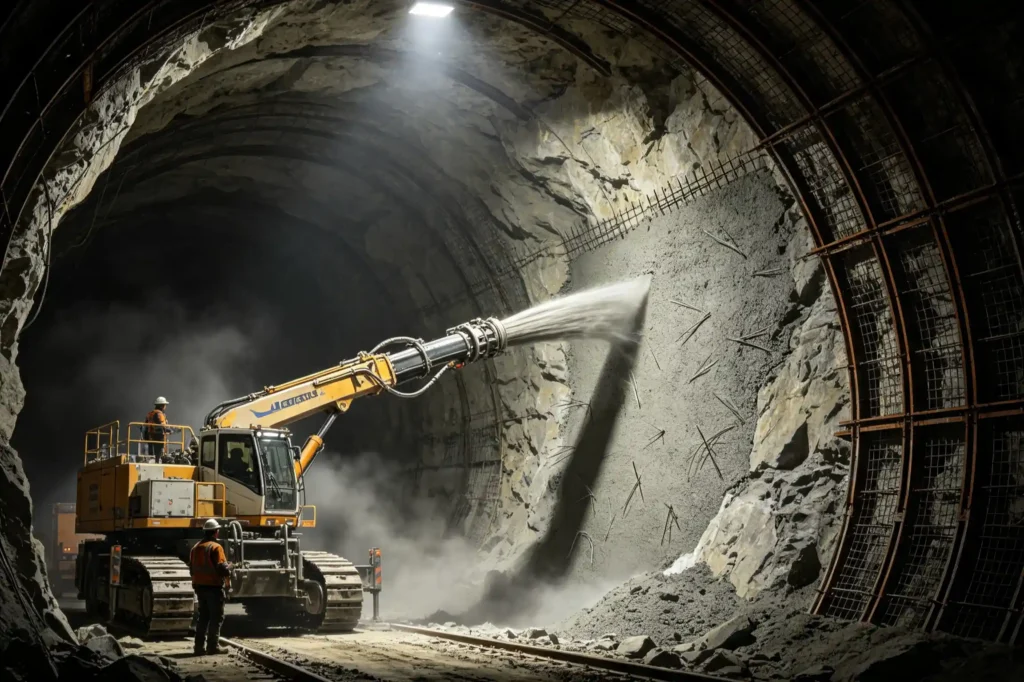
Shotcrete, also known as sprayed concrete, is a special type of concrete that is sprayed onto a surface at high speed using compressed air. In tunnel construction, shotcrete is widely used as a support layer to stabilize the surrounding rock and protect the tunnel structure.
Unlike traditional concrete that is poured into molds, shotcrete must perform under much more challenging conditions:
- No formwork support — Shotcrete must stick directly to uneven rock surfaces and remain stable even on vertical or overhead areas.
- Fast strength development — Tunnels require immediate support after excavation, so shotcrete needs to gain strength quickly to improve safety.
- Material rebound — During spraying, some concrete particles may bounce away from the surface, causing material waste and reducing efficiency.
- Limited thickness — Shotcrete layers are often relatively thin, making it difficult to install traditional steel reinforcement such as rebar or mesh.
- Continuous stress and movement — Tunnel linings must withstand changing ground pressure, water pressure, vibrations, and other forces throughout their service life.
Fiber reinforcement solves these problems. Instead of placing steel mesh inside the shotcrete — which is nearly impossible on irregular tunnel surfaces — fibers are mixed directly into the concrete. They provide post-crack ductility, energy absorption, and crack control without any placement labor.
For an in-depth look at how fiber works inside concrete, see our fiber dosage guide.
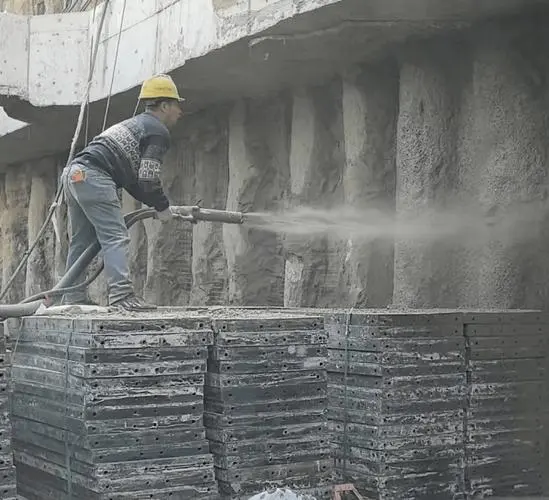
Three Main Fibers Used in Tunnel Shotcrete
1. Steel Fiber for Tunnel Shotcrete
Steel fiber is one of the most widely used reinforcement materials for high-performance shotcrete, especially in tunnels, mines, and underground structures where high strength and impact resistance are required.
Steel fibers work like thousands of tiny steel reinforcement bars distributed throughout the concrete. When cracks begin to form, the fibers bridge the cracks and transfer stress to surrounding concrete, preventing sudden failure.
Key Benefits:
- Excellent post-cracking strength and toughness
- High energy absorption capacity
- Improved impact and abrasion resistance
- Reduces crack growth and surface damage
Suitable Applications:
Steel fiber reinforced shotcrete is commonly used for:
- Highway and railway tunnels
- Mining tunnels
- Underground caverns
- Hydropower projects
- High-load structural support
However, steel fiber dosage needs careful control. Too little fiber may not provide enough reinforcement, while excessive fiber can affect workability and increase costs.
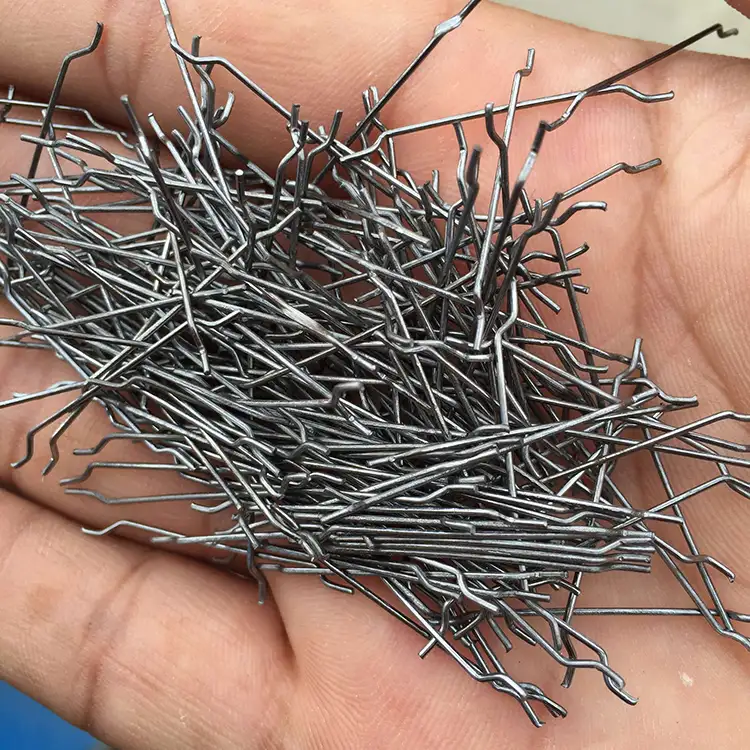
2. Macro Synthetic Fiber for Tunnel Shotcrete
Synthetic macro fiber, usually made from polypropylene (PP), is a modern alternative to steel fiber for many tunnel applications. It has gained significant traction in tunnel shotcrete over the past 10–15 years.
It creates a three-dimensional reinforcement network inside shotcrete, improving toughness and helping the concrete resist cracking after damage occurs.
Key Benefits:
- Excellent corrosion resistance
- Lightweight and easy to mix
- Good crack-bridging performance
- Improves durability in wet or chemical environments
- Reduces the need for traditional steel mesh reinforcement
Suitable Applications:
Synthetic macro fiber reinforced shotcrete is widely used in:
- Tunnel excavation support
- Underground mining
- Rock stabilization
- Slope protection
- Permanent tunnel linings
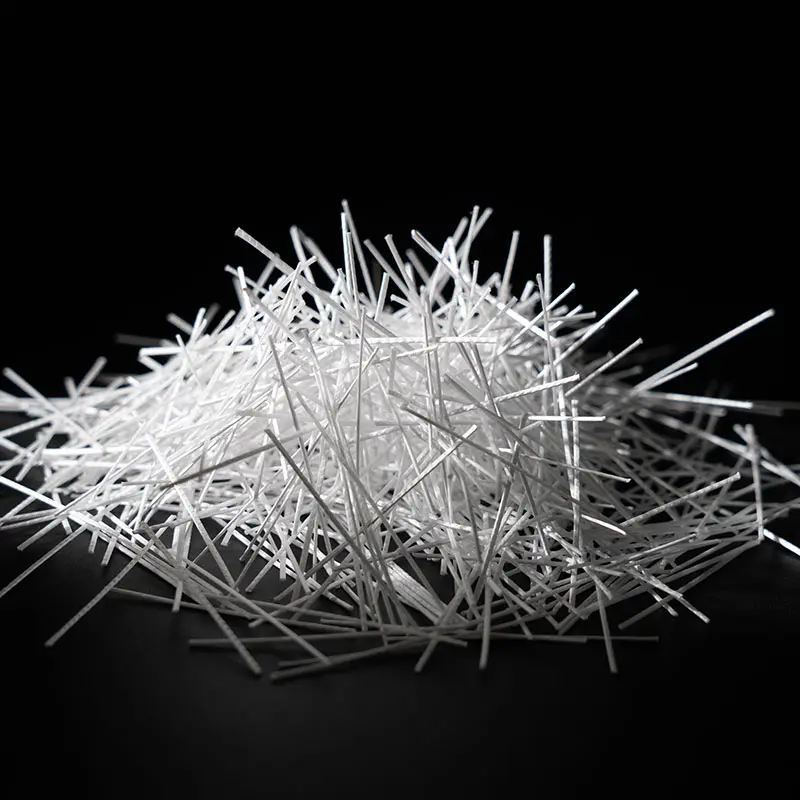
Micro Synthetic Fiber for Tunnel Shotcrete
Micro fiber (polypropylene, 3–19mm) is used as a secondary reinforcement in shotcrete — not as a standalone structural fiber, but to reduce plastic shrinkage cracking and rebound.
These tiny fibers are evenly distributed throughout the concrete and help prevent small cracks caused by shrinkage during curing.
Key Benefits:
- Reduces plastic shrinkage cracks
- Improves surface quality
- Enhances concrete toughness
- Provides excellent resistance to moisture, chemicals, and corrosion
- Helps reduce explosive spalling during fire exposure
Suitable Applications
Synthetic microfibers are commonly used for:
- Tunnel fire-resistant shotcrete
- Repair shotcrete
- Thin concrete layers
- High-performance concrete applications
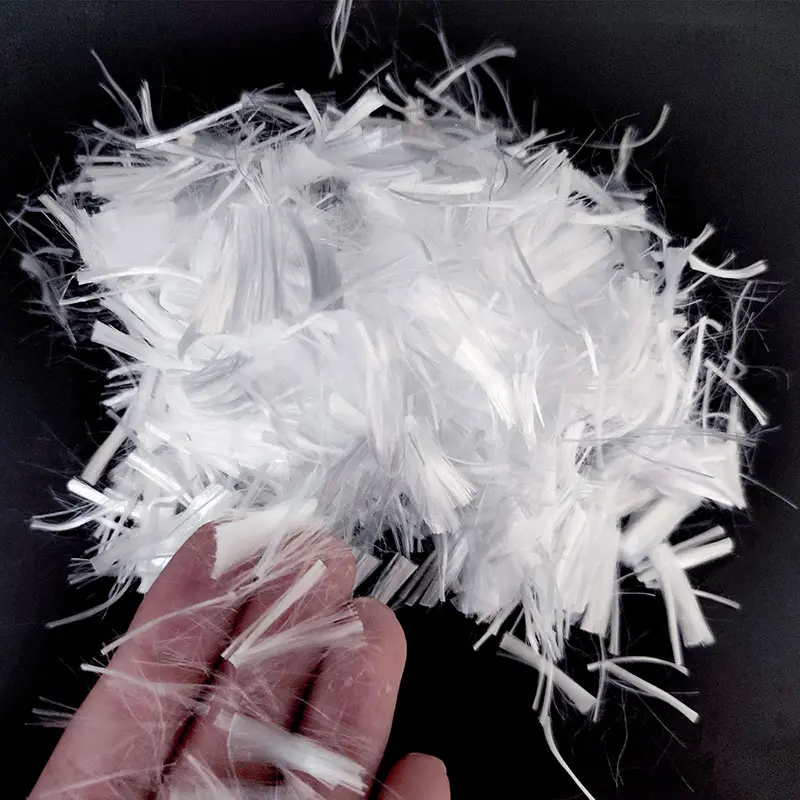
Quick Comparison Table
| Fiber Type | Dosage Range | Rebound | Corrosion | Pumpability | Energy Absorption | Best Tunnel Use |
|---|---|---|---|---|---|---|
| Steel Fiber | 30–60 kg/m³ | Higher | Risk in wet tunnels | Reduced | Highest | Primary lining, heavy ground |
| Macro Synthetic | 5–8 kg/m³ | Lower | None | Excellent | Moderate–High | Secondary lining, wet tunnels |
| Micro Synthetic | 0.9 kg/m³ | Lowest | None | Excellent | Low (plastic phase only) | Rebound reduction, crack control |
Can Different Fibers Be Used Together?
Yes. Many tunnel projects use a combination of fibers to achieve better performance.
A common solution is:
Synthetic Macro Fiber + Synthetic Micro Fiber
This combination provides:
- Early crack control from micro fibers
- Long-term toughness from macro fibers
- Corrosion resistance
- Improved durability
For tunnels requiring high structural performance, a hybrid system can provide balanced reinforcement without the disadvantages of steel corrosion.
How to Choose the Right Fiber for Your Tunnel Project
The best fiber depends on your tunnel design, ground conditions, and construction requirements. Here are four key factors to consider.
Step 1: Identify the Tunnel Lining
Different tunnel linings require different types of reinforcement.
- Primary lining: Supports the ground immediately after excavation. Steel fiber is ideal for heavy loads, while synthetic macro fiber is a good choice for moderate ground conditions.
- Secondary lining: Focuses on long-term durability and crack control. Synthetic macro fiber is often preferred because it is corrosion-resistant and provides a smooth finish.
Step 2: Consider Ground Conditions
| Ground Condition | Recommended Fiber |
|---|---|
| Stable rock | Synthetic Macro Fiber |
| Moderate ground movement | Steel Fiber or Synthetic Macro Fiber |
| High ground stress | Steel Fiber |
| Wet or corrosive environments | Synthetic Macro Fiber |
| Fire-risk tunnels | Synthetic Macro Fiber + Synthetic Micro Fiber |
Step 3: Think About Construction Efficiency
Steel fiber provides excellent strength but is heavier and can increase wear on pumps and spray equipment.
Synthetic macro fiber is lightweight, easy to mix and spray, reduces equipment wear, and is ideal for projects requiring efficient installation.
Step 4: Minimize Material Waste
During spraying, some concrete bounces off the surface, known as rebound.
- Steel fiber shotcrete: Typically 15–25% rebound
- Synthetic macro fiber shotcrete: Typically 8–15% rebound
- Synthetic micro fiber: Improves mix cohesion and can further reduce rebound
Lower rebound means less waste, lower costs, and higher construction efficiency, especially on large tunnel projects.
Common Mistakes in Tunnel Shotcrete Fiber Specification
1. Over-Specifying Steel Fiber
Many tunnel specifications default to 50+ kg/m³ of steel fiber “to be safe.” In reality, for secondary linings and moderate ground conditions, 5–7 kg/m³ of macro synthetic fiber provides equivalent performance at lower cost, lower rebound, and zero corrosion risk. Always run a performance-based comparison rather than specifying fiber type by habit.
2. Ignoring Rebound in Cost Calculations
If your cost comparison only looks at material cost per cubic meter, you’re missing the full picture. A 20% rebound rate on steel fiber shotcrete means 20% of your fiber is lying on the tunnel floor. Calculate cost based on in-place material, not batched material.
3. Using Only Micro Fiber for Structural Support
Micro fiber is excellent for reducing plastic shrinkage cracks and rebound, but it provides zero post-crack structural capacity. If your tunnel lining needs to hold ground pressure, you need macro synthetic or steel fiber — micro fiber alone is not enough. For a clear explanation of the difference, see our micro vs macro fiber comparison.
4. Not Testing Fiber-Accelerator Compatibility
Some accelerators react with certain fiber coatings, causing clumping or reduced effectiveness. Always run a trial mix with your actual materials — accelerator, fiber, cement, and admixtures — before specifying for production.
5. Neglecting Fire Resistance in Road and Rail Tunnels
Standard polypropylene fiber melts at 160–170°C. In a tunnel fire (which can exceed 1,200°C), PP fiber melts and leaves channels that relieve internal vapor pressure — this actually helps prevent explosive spalling. But for linings requiring sustained structural integrity during fire, PAN fiber with its higher thermal stability is the better choice.
Frequently Asked Questions
Can I use synthetic fiber instead of steel fiber in tunnel shotcrete?
Yes, in many cases. Macro synthetic fiber at 5–8 kg/m³ can replace steel fiber for secondary linings, water-bearing tunnels, and moderate ground conditions. For high-stress primary linings in squeezing ground, steel fiber at 50+ kg/m³ may still be required. See our macro fiber vs steel fiber comparison for a detailed breakdown.
How much does fiber reduce rebound in shotcrete?
Adding micro synthetic fiber at 0.9 kg/m³ typically reduces rebound by 2–5% by improving mix cohesion. Macro synthetic fiber produces lower rebound than steel fiber (8–15% vs 15–25%) because lighter fibers stay embedded in the paste rather than bouncing off the surface.
What’s the maximum fiber dosage I can pump through standard shotcrete equipment?
For macro synthetic fiber, 8–9 kg/m³ is typically the practical upper limit for standard pumps. For steel fiber, 60 kg/m³ is the typical maximum. Beyond these limits, mix workability drops to the point where pumping becomes unreliable. Always confirm with your equipment manufacturer.
Does fiber affect the early strength of shotcrete?
No. Fiber does not interfere with cement hydration or accelerator action. Shotcrete with fiber achieves the same early strength as plain shotcrete, assuming proper mix design. Verify with trial mixes using your specific materials.
How do I choose between PAN fiber and standard PP fiber for a tunnel?
Use PAN fiber when the tunnel environment involves chemical exposure (sewer tunnels, industrial effluent tunnels) or fire risk (road and rail tunnels). For standard tunnel applications without these conditions, PP macro fiber is more cost-effective. Learn more in our PP vs PET vs PAN fiber comparison.
Get Expert Help with Your Tunnel Shotcrete Specification
Tunnel projects don’t tolerate guesswork. Every meter of lining needs to meet design criteria for energy absorption, residual strength, and durability — and the fiber specification is central to all three.
Our technical team has supplied fiber for tunnel and underground projects across multiple continents. We can help you:
- Compare steel vs synthetic fiber performance for your ground conditions
- Optimize dosage to meet energy absorption targets
- Provide technical data sheets and compliance documentation
- Supply trial quantities for mix design testing
Get a free tunnel shotcrete fiber recommendation →
Send us your project specifications — tunnel type, lining thickness, ground conditions, and performance requirements — and we’ll provide a specific fiber recommendation within 24 hours.