
 EN
EN  ES
ES  PT
PT  AR
AR  FR
FR Concrete is strong in compression but weak in tension. That’s why cracks form so easily. To solve this long-standing problem, engineers developed steel fiber reinforced concrete (SFRC)—a smarter, tougher version of traditional concrete.
In this guide, we’ll introduce what SFRC is, why it’s used, its pros and cons, and how you can make it perform at its best.
What Is Steel Fiber Reinforced Concrete?
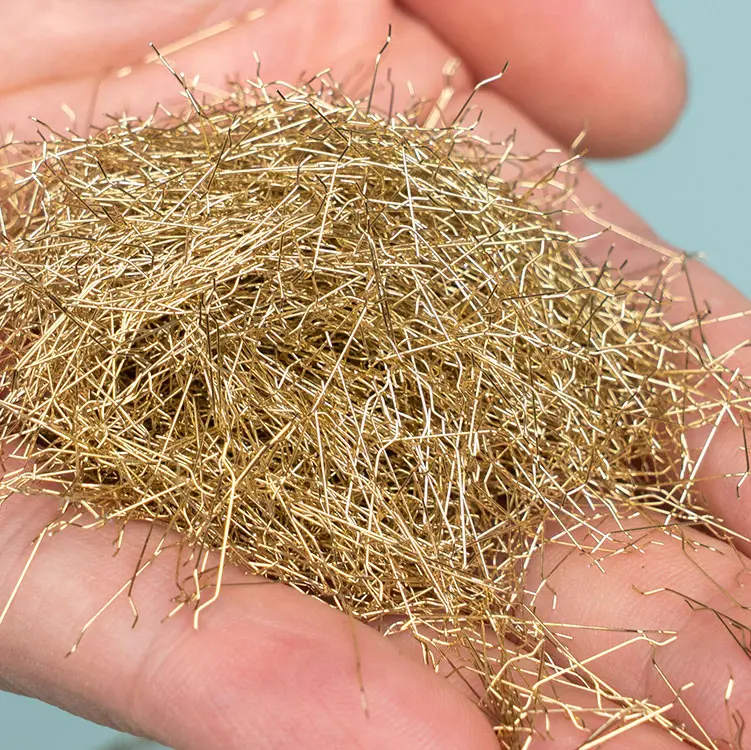
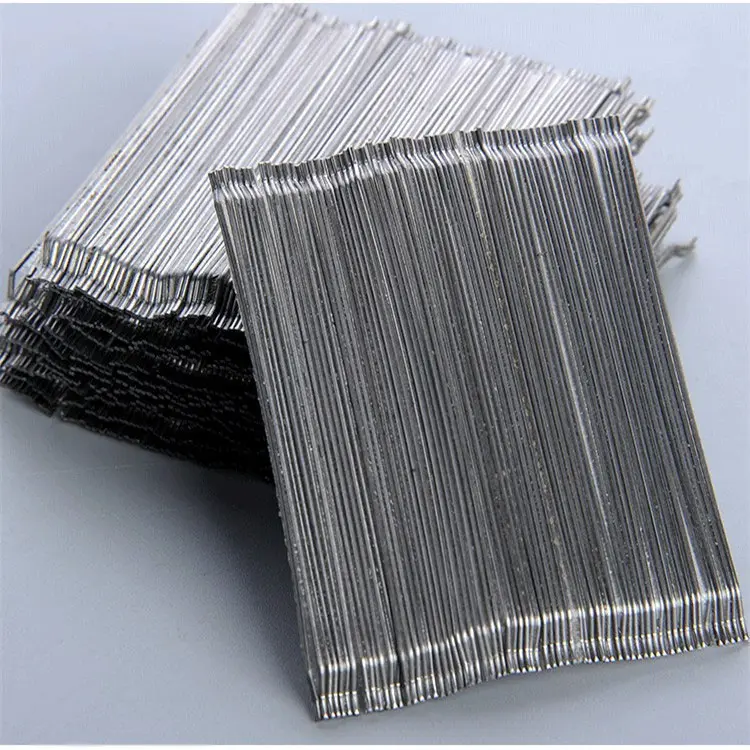
Steel fiber reinforced concrete is a composite material made by adding short, discrete steel fibers into fresh concrete.
These fibers are typically:
- Length: 20–60 mm
- Diameter: 0.3–1.0 mm
They are randomly distributed throughout the concrete mix, forming a 3D reinforcement network. Unlike traditional rebar, which works in specific directions, steel fibers work everywhere inside the concrete.
There are different shapes of steel fibers:
- Brass-coated fibers
- Hooked-end fibers (most common for better anchorage)
- Crimped or wave-shaped fibers
Each shape is designed to improve how well the fiber “grips” the concrete.
Think of steel fibers like tiny “bridges” inside concrete. When cracks start to form, these fibers hold everything together and stop the cracks from spreading.
Advantages of Using Steel Fibre in Concrete
1. Significant Improvement in Mechanical Strength
Steel fibers dramatically improve key properties:
| Property | Increase |
|---|---|
| Tensile strength | 40%–100% |
| Flexural strength | 60%–120% |
| Shear strength | 50%–100% |
| Compressive strength | 10%–25% |
| Toughness | up to 10–50× |
This means the concrete becomes not just stronger—but much harder to break.
2. Excellent Crack Resistance
Cracks often start small and grow over time. Steel fibers stop microcracks early. They slow down crack propagation and reduce visible surface cracks. This is one of the biggest advantages of SFRC, especially for floors and pavements.
3. Outstanding Impact Resistance
Steel fiber concrete can absorb 50 to 100 times more impact energy than normal concrete. That makes it ideal for heavy machinery zones, airport runways, and military or protective structures.
4. Better Durability and Shrinkage Control
Steel fibers help improve long-term performance. Shrinkage is reduced by 10 – 30%. The material also shows better resistance to freeze-thaw cycles, wear and abrasion, as well as corrosion and erosion. Fatigue resistance is improved as well. In simple terms, it lasts longer and needs less repair.
In simple terms: it lasts longer and needs less repair.
5. Cost Efficiency in the Long Run
Yes, steel fiber concrete costs more upfront. But it can:
- Reduce or replace traditional reinforcement
- Shorten construction time
- Lower maintenance costs
So overall, it often becomes a cost-effective solution.
Disadvantages of Using Steel Fibre in Concrete
1. Higher Material Cost
Steel fibers typically cost much more than standard concrete materials. In large-scale projects, this can significantly increase the budget.
2. Reduced Workability
Adding steel fibers makes concrete less fluid. The mixture becomes harder to pump and more difficult to finish. Without proper mix design, it can become too stiff to handle easily.
3. Risk of Fiber Clumping
If not mixed properly, fibers may stick together and form a balling effect. This leads to weak spots in the structure. Proper mixing equipment and procedures are essential.
4. Uneven Distribution Issues
During vibration or pouring, fibers may settle at the bottom of the mixture. This causes non-uniform performance across the structure.
5. Corrosion Concerns
In aggressive environments like coastal areas, steel fibers may rust. Expansion from corrosion can cause cracking. Extra protection or coatings may be required.
6. Other Limitations
Steel fibers increase the weight of concrete due to their steel content. Some regions lack unified design standards for steel fiber reinforcement. Recycling concrete after demolition also becomes more difficult.
Applications of Steel Fiber Reinforced Concrete
Steel fiber concrete is widely used across many industries.
1. Transportation Infrastructure
Steel fiber concrete is commonly used for roads and highways, where it leads to fewer cracks and a longer lifespan. Bridges benefit from better fatigue resistance. Airport runways rely on this material to withstand heavy impact loads. Tunnel linings also use steel fiber concrete for improved structural safety. For tunnel construction and other shotcrete projects, steel fibers offer unique advantages.
2. Industrial and Commercial Buildings
Warehouse floors, factory floors, and logistics centers all benefit from steel fiber concrete. These areas require high load capacity and excellent wear resistance. The material delivers both effectively.
3. Protective and Military Structures
Blast-resistant walls, underground structures, and defense facilities often incorporate steel fibers. Steel fibers significantly improve energy absorption capacity, making these structures safer under extreme conditions.
4. Hydraulic Engineering
Dams, spillways, and water channels benefit from steel fiber concrete. The material enhances erosion resistance and cavitation resistance, which are critical in water-related infrastructure.
5. Seismic Structures
Shear walls and structural joints perform better with steel fibers. The material improves ductility and energy dissipation during earthquakes. This helps buildings survive seismic events with less damage.

How to Make Steel Fibre Reinforced Concrete Excellent?
If you want to get the best performance from steel fiber concrete, focus on these key factors:
1. Optimize the Mix Design
Choose the right fiber type and dosage. Balance cement, aggregates, and water carefully. A poorly designed mix can cancel out all the benefits.
2. Improve Workability with Admixtures
Use high-performance water reducers like Polycarboxylate Ether, or PCE for short. This helps maintain flowability while reducing water content. It also improves overall strength.
3. Ensure Proper Mixing
Use forced mixers for better results. Add fibers gradually rather than all at once. Extend mixing time by 30 to 50 percent. This prevents clumping and ensures even distribution.
4. Work with a Reliable Supplier
The quality of steel fibers matters a lot. You need consistent size and shape, strong bonding performance, and good corrosion resistance.
If you are looking for a high-performance steel fiber solution, Tenabrix steel fiber offers reliable and consistent products. Tenabrix fibers are carefully engineered to disperse evenly in concrete, effectively improving crack resistance, toughness, and durability. Choosing Tenabrix means choosing greater peace of mind for your project.
If you want to upgrade your concrete performance, starting with Tenabrix fiber is the right first step.
Final Thoughts
Steel fiber reinforced concrete is not just a trend—it’s a proven solution for stronger, more durable structures.
While it comes with challenges like cost and workability, the long-term benefits often outweigh the drawbacks. With proper design and materials, SFRC can significantly improve performance, reduce maintenance, and extend service life.
As construction continues to demand higher efficiency and durability, steel fiber concrete will play an even bigger role in the future.
