Concrete is widely used in industrial floors, pavements, precast components, and other construction applications. However, cracks can develop before concrete has fully hardened, especially when surface moisture evaporates rapidly or the fresh mixture experiences localized settlement.
Polypropylene synthetic microfiber for concrete is commonly used to help control plastic shrinkage cracking and certain other early-age cracks. These fine polypropylene (PP) fibers are distributed throughout the cementitious mixture, providing supplementary crack-control support during the early stages of hardening.
For concrete producers, contractors, dry-mix manufacturers, and construction material distributors, choosing the right polypropylene microfiber involves more than comparing price per kilogram. Fiber dimensions, dosage, dispersion, mix compatibility, and technical documentation all influence product suitability.
This guide explains how polypropylene synthetic microfiber works, where it can be used, how to evaluate fiber length and dosage, and what buyers should check before selecting a supplier.

What Is PP Microfiber for Concrete?
Polypropylene synthetic microfiber is a short, fine synthetic fiber made from polypropylene (PP) and designed for use in concrete and other cement-based materials.
When added during mixing, the fibers disperse throughout the cementitious mixture and provide distributed reinforcement. They help limit the development of certain early-age cracks, particularly plastic shrinkage cracks that may form while concrete is still in its plastic state.
This material is also commonly referred to as polypropylene microfiber, PP microfiber, or polypropylene monofilament fiber, although terminology and fiber structures can vary between manufacturers.
Its main characteristics include:
- Material: Polypropylene (PP).
- Fiber structure: Fine monofilament, depending on the product.
- Primary function: Control of plastic shrinkage cracking and certain early-age microcracks.
- Corrosion resistance: Polypropylene does not rust like steel.
- Typical applications: Concrete slabs, pavements, mortar, plaster, screeds, and selected precast products.
The exact properties and performance of a polypropylene microfiber depend on its specifications, dosage, concrete mix design, environmental conditions, and construction practices.
How Does Polypropylene Microfiber Help Control Concrete Cracking?
Concrete cracks for different reasons, and not every crack can be prevented by adding fibers. Understanding the main cracking mechanisms helps determine whether polypropylene microfiber is suitable for a project.
1. Plastic Shrinkage Cracking
Plastic shrinkage cracks can develop shortly after concrete placement, before the material has fully hardened. They commonly occur when water evaporates from the concrete surface faster than moisture can be replenished through bleeding.
Hot weather, low humidity, strong winds, and high concrete temperatures can increase the risk.
Fine polypropylene microfibers are distributed throughout the fresh mixture, helping restrain localized deformation and limit the formation or widening of certain early-age cracks.
This makes PP microfiber a useful option for exposed concrete slabs, pavements, and other applications where rapid moisture loss is a concern.
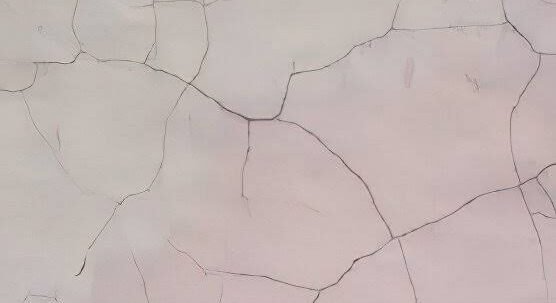
2. Plastic Settlement Cracking
Fresh concrete settles after placement. If this movement is locally restrained by reinforcing bars, embedded components, or changes in section thickness, cracks may develop.
Suitable PP microfiber can help improve the cohesion of the fresh mixture and reduce the risk of certain settlement-related cracks. However, fiber addition alone cannot eliminate settlement problems. Appropriate mix design, placement, and consolidation remain essential.
3. Why Fiber Addition Does Not Eliminate All Cracks
Concrete can also crack because of drying shrinkage, temperature changes, structural loading, excessive restraint, ground movement, or inadequate joint design.
Polypropylene microfiber should therefore be considered a supplementary crack-control measure rather than a complete solution to every cracking problem.
To obtain better results, combine suitable fiber reinforcement with:
- Appropriate concrete mix design.
- Timely curing and moisture protection.
- Proper placement, consolidation, and finishing.
- Suitable joint layout and spacing.
- Construction practices adapted to the project environment.
Common Applications of Polypropylene Synthetic Microfiber
Polypropylene microfiber is used in various concrete and cement-based applications where early-age crack control is required. The appropriate fiber specification depends on the material formulation and the performance objectives of the project.
1. Concrete Slabs and Industrial Floors
Warehouse floors, factory floors, workshops, and other ground-supported slabs may be susceptible to early-age shrinkage cracking, particularly when moisture loss is rapid.
Polypropylene microfiber can help control certain early-age cracks and support surface quality when used with suitable mix design and curing practices.
It should not automatically be treated as a replacement for reinforcement designed to resist structural loads or provide specified post-cracking performance.
2. Concrete Pavements, Driveways, and Sidewalks
Outdoor concrete surfaces are often exposed to sunlight, wind, and fluctuating temperatures. These conditions can increase the risk of rapid surface drying during early hardening.
Suitable PP microfiber can help control plastic shrinkage cracking in applications such as:
- Residential driveways.
- Pedestrian sidewalks and walkways.
- General concrete paving.
- Selected exterior flatwork applications.
Fiber reinforcement should be combined with proper curing, jointing, and mix-design practices. Cracking caused by traffic loads, ground movement, or inadequate joints requires separate consideration.
3. Mortar, Plaster, and Cement-Based Screeds
Cement-based plaster, rendering, floor screeds, and leveling layers can experience shrinkage-related surface cracking, especially when applied in thin layers or exposed to rapid drying.
Suitable polypropylene microfiber can help control early-age cracking in these formulations.
When selecting a fiber for mortar or plaster, manufacturers should consider fiber length, mixture consistency, dispersion, workability, and surface-finishing requirements.
4. Precast Concrete Products
Precast concrete products may experience cracking during early hardening, demolding, handling, or transportation.
Polypropylene microfiber may be suitable for selected precast applications where early-age crack control is required, including certain small panels, drainage components, and utility products.
The appropriate fiber must be evaluated against the component’s geometry, production process, and performance requirements. Structural precast elements may require additional reinforcement or specific performance verification.
5. Repair Mortars and Selected Shotcrete Applications
Repair mortars and shotcrete mixtures may be susceptible to early-age shrinkage cracking, depending on their formulation, thickness, application method, and curing conditions.
Polypropylene microfiber can be considered where the selected product is compatible with the mixture and equipment.
For tunnel linings, fire-spalling mitigation, or applications requiring specified structural or residual performance, fiber type and dosage must be selected according to the relevant engineering requirements. Ordinary microfiber should not automatically be assumed suitable for these purposes.

Key Benefits of Polypropylene Synthetic Microfiber
When correctly selected and incorporated into a suitable mixture, polypropylene synthetic microfiber can offer several practical benefits.
1. Helps Control Early-Age Cracking
Its primary purpose is to help control plastic shrinkage cracking and certain other early-age cracks. This is particularly valuable when environmental conditions increase the risk of rapid moisture loss.
Industry guidance on fibers in concrete explains that synthetic microfibers are typically used to help control cracking caused by plastic shrinkage and settlement.
2. Provides Distributed Reinforcement
Fine fibers are dispersed throughout the cementitious mixture rather than being concentrated in a single location. Uniform distribution is important for consistent crack-control performance.
3. Does Not Rust Like Steel
Polypropylene is a non-metallic material that does not rust in concrete. It is suitable for applications where corrosion resistance is an important consideration.
4. Offers Versatility Across Cement-Based Materials
Depending on the product specifications, PP microfiber can be incorporated into concrete, mortar, plaster, screeds, and selected dry-mix formulations.
5. Supports Surface Quality Management
By helping control certain early-age cracks, suitable microfiber may reduce crack-related surface defects and associated repair work. Results still depend on curing, finishing, mixture design, and overall construction quality.
6. Can Be Incorporated During Mixing
Polypropylene microfiber can generally be introduced during the mixing process using the supplier’s recommended procedure. Appropriate feeding and mixing help minimize fiber clumping and support more uniform distribution.
How to Choose the Right Fiber Length and Dosage
Fiber selection should begin with the intended application and required performance, not simply the lowest unit price.
Choosing the Fiber Length
Polypropylene microfiber is available in different lengths. Common examples include 6 mm, 12 mm, and 18 mm, depending on the product.
| Fiber length |
Potential applications |
Key consideration |
| 6 mm |
Thin-layer mortar, plaster, and fine cement-based mixtures |
Check compatibility with the layer thickness and formulation |
| 12 mm |
General concrete, screeds, and selected precast applications |
Evaluate dispersion and workability in the intended mix |
| 18 mm |
Selected concrete applications requiring longer fibers |
Confirm compatibility with aggregate size, mixing equipment, and performance requirements |
These are general selection examples, not universal design rules. The appropriate length depends on aggregate grading, layer thickness, fiber geometry, mixture composition, and the intended crack-control function.
Always confirm the available specifications and recommendations in the manufacturer’s Technical Data Sheet (TDS).
Determining the Appropriate Dosage
The recommended dosage of polypropylene microfiber depends on the product, application, concrete or mortar formulation, and required performance.
For example, the TenaBrix product information used as the basis for this guide lists 0.6–0.9 kg/m³ as a typical dosage for its polypropylene synthetic microfiber. This is a product-specific reference range, not a universal dosage for all PP microfiber products. Confirm the current recommendation against the applicable TDS before use.
Before finalizing the dosage, consider:
- The intended application and crack-control requirements.
- Fiber length and technical properties.
- Cement content, aggregate grading, and water-to-cement ratio.
- Mixing equipment and the required workability.
- Project specifications and trial-mix results.
Adding more fiber does not automatically produce better results. Excessive or poorly dispersed fibers may affect workability, mixing, and surface finishing.
For commercial projects, conduct suitable trial mixes and evaluate fiber dispersion, fresh-concrete workability, finishing characteristics, and relevant performance requirements before full-scale production.
Polypropylene Microfiber vs. Macrofiber: Which Should You Choose?

Polypropylene microfiber and macrofiber serve different reinforcement purposes. The right choice depends on whether the project primarily requires early-age crack control or performance after cracking.
| Comparison |
Polypropylene synthetic microfiber |
Polypropylene synthetic macrofiber |
| Fiber structure |
Fine, short filaments |
Larger, longer fibers |
| Primary role |
Early-age microcrack and plastic shrinkage crack control |
Crack bridging and post-cracking performance, depending on the product |
| Typical applications |
Slabs, mortar, plaster, screeds, and selected precast products |
Industrial floors, pavements, and selected shotcrete applications |
| Main selection factors |
Fiber geometry, dispersion, dosage, and mix compatibility |
Fiber geometry, dosage, residual performance, and engineering requirements |
| Structural design |
Not a direct substitute for required structural reinforcement |
May be considered for specific reinforcement designs when supported by testing and engineering evaluation |
Choose polypropylene synthetic microfiber when the primary objective is controlling plastic shrinkage cracking and other suitable early-age cracks.
Consider polypropylene macrofiber when the project requires specified post-cracking performance or toughness. Its suitability must be verified against the design requirements and relevant test data.
Neither product should be selected solely by comparing fiber length or price per kilogram.
For more information, visit the TenaBrix Polypropylene Synthetic Microfiber product page.
Best Practices for Using Polypropylene Synthetic Microfiber
Correct mixing and curing practices are essential to achieving the intended benefits of PP microfiber.
1. Follow the Recommended Mixing Procedure
Introduce the fiber according to the manufacturer’s instructions and the concrete plant’s established mixing procedure. Avoid feeding large quantities too quickly, as this can contribute to fiber clumping.
2. Allow Sufficient Mixing Time
Ensure the fibers are distributed evenly throughout the batch. The required mixing time depends on the mixer, batch size, mixture composition, and fiber product.
3. Check Workability and Dispersion
Evaluate the fresh mixture after fiber addition. Look for uneven distribution, fiber balls, and changes in workability or finishing characteristics.
If adjustments are necessary, follow the approved mix design rather than adding uncontrolled amounts of water.
4. Maintain Proper Curing
Fiber addition does not replace curing. Protect fresh concrete against excessive moisture loss, especially in hot, dry, or windy conditions.
5. Validate Performance Through Trial Mixes
For commercial and engineering projects, assess fiber dispersion, workability, surface quality, and the relevant hardened-concrete properties using appropriate test methods and project acceptance criteria.
For broader guidance on fiber-reinforced concrete specifications, refer to ASTM C1116/C1116M-23. Always verify the standards and editions applicable to your project.
Frequently Asked Questions
1. What is PP microfiber used for in concrete?
Polypropylene synthetic microfiber is primarily used to help control plastic shrinkage cracking and certain other early-age cracks. It is commonly used in concrete slabs, pavements, mortar, plaster, screeds, and selected precast products.
2. Is PP microfiber the same as polypropylene monofilament fiber?
The terms are often used interchangeably when referring to fine, individual polypropylene filaments used in cement-based materials. However, terminology can vary between manufacturers. Buyers should confirm the fiber structure and technical specifications in the TDS.
3. What is the typical dosage of polypropylene microfiber for concrete?
The dosage depends on the specific product, mix design, application, and required performance. TenaBrix product information used for this guide lists 0.6–0.9 kg/m³ as a typical reference range for its polypropylene synthetic microfiber. Always confirm the current product TDS and validate the proposed dosage through suitable trial mixes.
4. Can PP microfiber prevent all concrete cracks?
No. It can help control certain early-age cracks, particularly plastic shrinkage cracks, but it cannot prevent every type of cracking. Drying shrinkage, temperature changes, structural loads, ground movement, and inadequate joint design may require additional preventive measures.
5. Can polypropylene microfiber replace steel reinforcement?
Not by default. Polypropylene microfiber is primarily intended for supplementary crack control and is not a direct substitute for required reinforcing bars or other structural reinforcement. Any proposed reinforcement substitution must be supported by appropriate engineering design and performance testing.
6. Can PP microfiber be used in mortar and plaster?
Yes. Suitable PP microfiber products can be used in cement plaster, rendering, screeds, and selected repair mortars to help control shrinkage-related cracking. Fiber length, dosage, and compatibility should be checked for each formulation.
7. What should I request from a polypropylene microfiber supplier?
Before purchasing, request the Technical Data Sheet (TDS), Safety Data Sheet (SDS), available fiber lengths, recommended dosage, packaging details, and relevant test documentation.
For bulk purchasing, also evaluate product consistency, batch identification, production capacity, sample availability, and the supplier’s ability to support your application requirements.
Looking for a Polypropylene Synthetic Microfiber Supplier?
Selecting the right polypropylene synthetic microfiber is an important step toward consistent concrete and cement-based material performance.
For concrete producers, contractors, and construction material distributors, the best purchasing decision considers more than unit price. Product specifications, dispersion performance, technical documentation, quality consistency, and application compatibility should all be evaluated.
TenaBrix offers polypropylene synthetic microfiber solutions for concrete and cement-based applications.
Contact TenaBrix to discuss your project requirements, request product specifications, or inquire about samples for evaluation. Our team can help you identify the information needed to assess product suitability before placing a bulk order.