





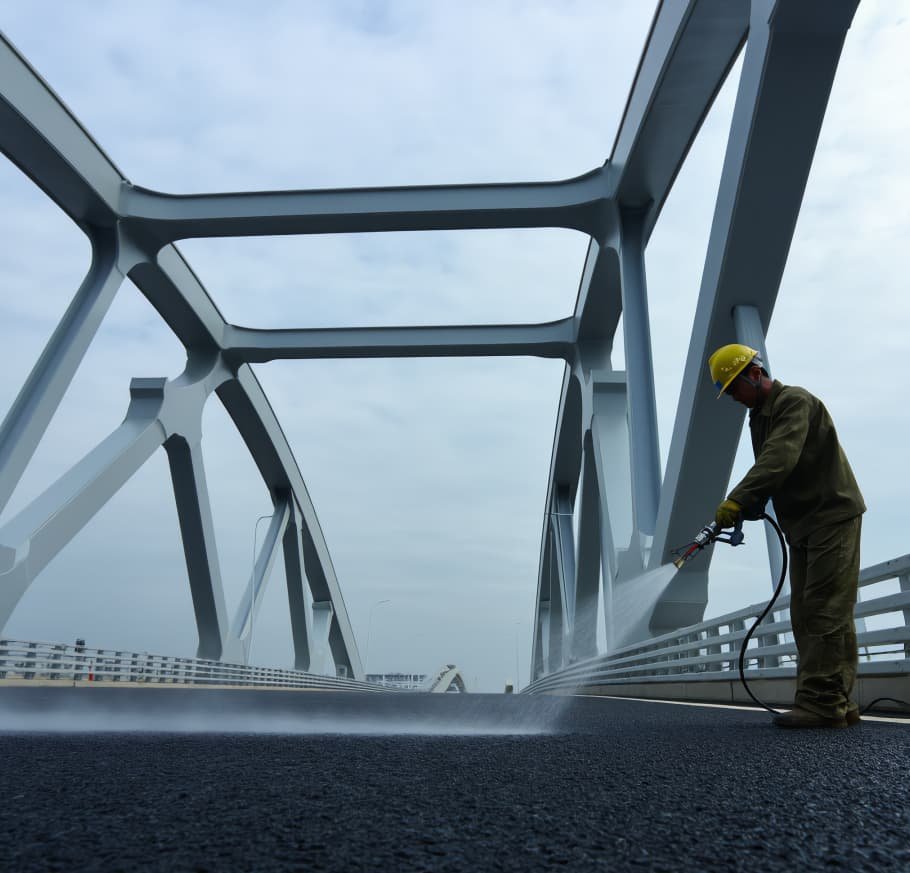
If you’ve ever worked on bridge construction, you know the deck overlay is probably the toughest part of the whole job. It’s right out in the open, taking the brunt of traffic every single day. Rain, snow, de-icing salts, heat, cold—you name it, the deck sees it. So the concrete you put down there has to be something special. It’s not just about strength anymore. You need something that can resist cracking and hold up for decades.
Plain concrete? It’s strong when you squeeze it, but it’s brittle. Give it a little tension or let it shrink during curing, and it cracks. And once that crack appears, water and chlorides sneak in, rust the rebar, and before you know it, you’re looking at spalling and expensive repairs.
That’s where fiber-reinforced concrete comes in. And not just any fiber—Polyacrylonitrile (PAN) fiber has been making a name for itself in bridge decks lately. It’s not new, but more and more contractors are switching to it because it just works. It gives you crack control without the headaches of steel fibers.
So let’s talk about what PAN fiber actually does, why it’s a good fit for bridge overlays, and how to use it right.
What is Polyacrylonitrile (PAN) Fiber?
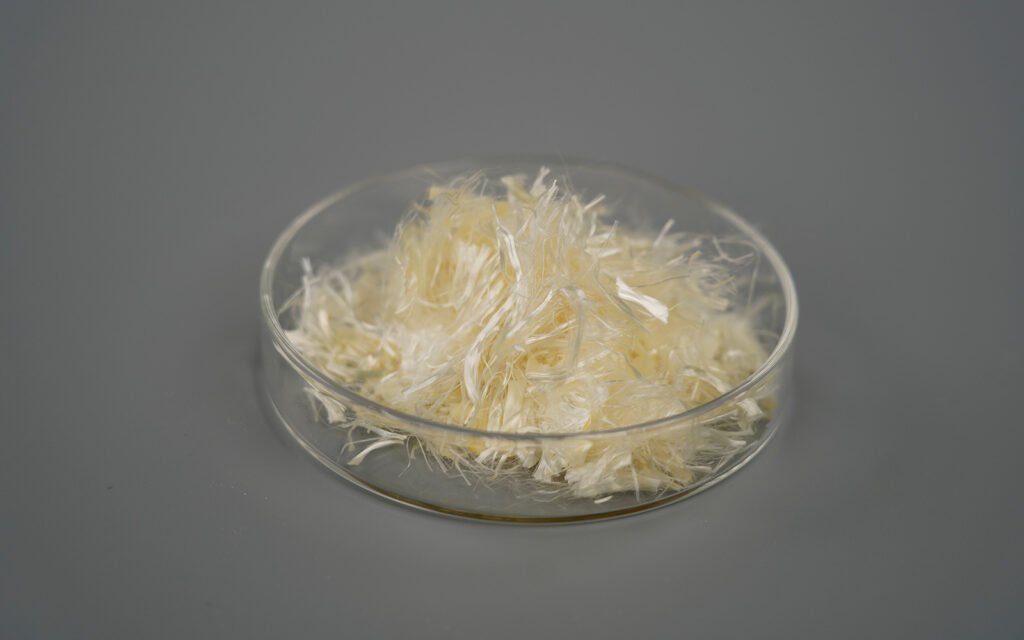
PAN fiber is a synthetic fiber, but it’s nothing like the rough steel fibers you might have used before. It’s fine—really fine—and soft. Almost like tiny strands of thread. When you mix it into concrete, millions of these little fibers spread out evenly throughout the mix. They form a sort of microscopic safety net inside the concrete.
The best part? They don’t rust. Ever. Unlike steel fibers, which can corrode and leave ugly stains on your surface, PAN fibers stay put. They’re also lighter, so they’re easier to handle on site and don’t settle to the bottom of the mix.
[Read More: Polyacrylonitrile (PAN) Fiber in Concrete: Benefits, Applications & Performance]
Why Are Bridge Decks So Prone to Cracking?
To understand the value of PAN fiber, we must first understand the enemy: cracking.
- Plastic Shrinkage: In the first few hours after pouring, water evaporates from the surface faster than it can be replaced. This creates tensile stress on the surface, leading to shallow “plastic shrinkage cracks.”
- Drying Shrinkage: As the concrete cures and loses internal moisture, it shrinks. If this shrinkage is restrained by the underlying bridge structure, internal stresses build up, leading to larger cracks.
- Thermal Stress: The concrete heats up as it hydrates and cools down at night. These temperature fluctuations cause expansion and contraction.
- Traffic Loading: Constant vehicle loads cause flexural stress, which can widen existing micro-cracks.
If you don’t stop these cracks early, water and chemicals find their way down to the rebar. That’s how bridges fail. Simple as that.
How PAN Fiber Solves the Crack Problem
Here’s the thing: PAN fiber doesn’t stop concrete from shrinking. Nothing does. But it stops the cracks from opening up. Here’s how:
1. It catches cracks before they grow
The first 24 hours are critical. As the surface dries and tries to shrink, the fiber filaments act like tiny bridges across those growing micro-cracks. They absorb the tensile stress, preventing the crack from opening further. This significantly reduces surface crazing and map cracking.
2. It makes the concrete tougher
Plain concrete is “brittle.” When a load causes it to fail, it fails suddenly and catastrophically. FRC with PAN fiber is “tough.” When a load is applied past its cracking point, the fiber holds the concrete together. It doesn’t just break; it deforms, absorbs energy, and maintains structural integrity. For a bridge deck, this means it can handle the repeated impact of heavy trucks without shattering.
3. It keeps water out
Every crack is a potential leak. By dramatically reducing the number and width of cracks, PAN fiber reduces the permeability of the concrete. Less water and fewer chlorides can penetrate the surface, which means:
- Reduced freeze-thaw damage: Less water inside the concrete means less ice expansion.
- Slower corrosion: The steel rebar stays protected.
4. It actually finishes better
Contractors often worry that fiber makes concrete “hairy” or difficult to finish. However, because PAN fibers are fine and flexible, they do not protrude from the surface like steel or macro-synthetic fibers. They blend into the paste, providing a smooth, clean finish. Furthermore, PAN fibers help reduce bleeding and segregation, leading to a more uniform and dense surface.
More Practical Applications of PAN Fiber
At Tenabrix.com, we see PAN fiber being used successfully in a wide range of heavy-duty applications:
- Bridge Deck Overlays: The primary topic of this article.
- Highway & Airport Pavements: Reducing joint spalling and improving ride quality.
- Tunnel Linings: Enhancing resistance to ground water pressure and fire spalling.
- Industrial Flooring: Withstanding heavy forklift traffic and impact.
- Precast Concrete Components: Increasing durability for thin-walled elements.
- Hydraulic Structures: Repairing and protecting dam spillways and canals.
Best Practices for Using PAN Fiber in Your Project
To get the maximum benefit from PAN fiber, follow these simple rules:
- Find the Right Dosage: More fiber is not always better. The typical dosage for bridge decks ranges from 0.9 kg/m³ to 1.8 kg/m³. Over-dosing can reduce workability. A mix design engineer should calculate the optimal dosage based on the specific project requirements.
- Ensure Proper Dispersion: The secret to good FRC is eliminating “balls” (fiber clumps). PAN fiber must be added at the right stage of the batching process. Generally, adding it to the aggregates or sand before the cement and water helps achieve uniform distribution. A standard mixing time (usually 4-5 minutes) is sufficient.
- Don’t Skip Curing: This is the most common mistake. Fiber helps control cracking from internal stresses, but it cannot replace proper curing. You must still follow a strict curing regime (wet curing or curing compound) to prevent surface moisture loss. Fiber plus good curing is a winning combination.
- Adjust the Mix Design: FRC uses the same basic materials. However, you may need to adjust the water reducer or superplasticizer dosage slightly to maintain the desired slump, especially when adding fiber.
Conclusion: A Smart Investment for Long-Term Performance
Is PAN fiber concrete more expensive than plain concrete? Yes, the initial material cost is slightly higher. However, that small upfront investment saves significant money over the life of the bridge.
By reducing cracking, PAN fiber delays the onset of corrosion, reduces the need for expensive crack repairs and joint sealing, and can extend the bridge deck’s service life by 10 to 20 years. For owners and contractors alike, this means lower maintenance costs, fewer traffic disruptions, and a safer, more durable structure.
At Tenabrix.com, we strongly recommend considering PAN fiber for any bridge deck project where long-term durability and crack control are top priorities. It is a proven, reliable technology that turns a standard concrete deck into a high-performance asset.