





Cellulose fiber is everywhere—yet most people don’t realize how important it is. From the clothes we wear to the food we eat and even the concrete in buildings, this natural material plays a key role in modern life.
In this guide, we’ll break down what cellulose fiber is, what it’s made of, its main properties, and how it’s used across different industries.
What Is Cellulose Fiber?
1. Cellulose Fiber Definition
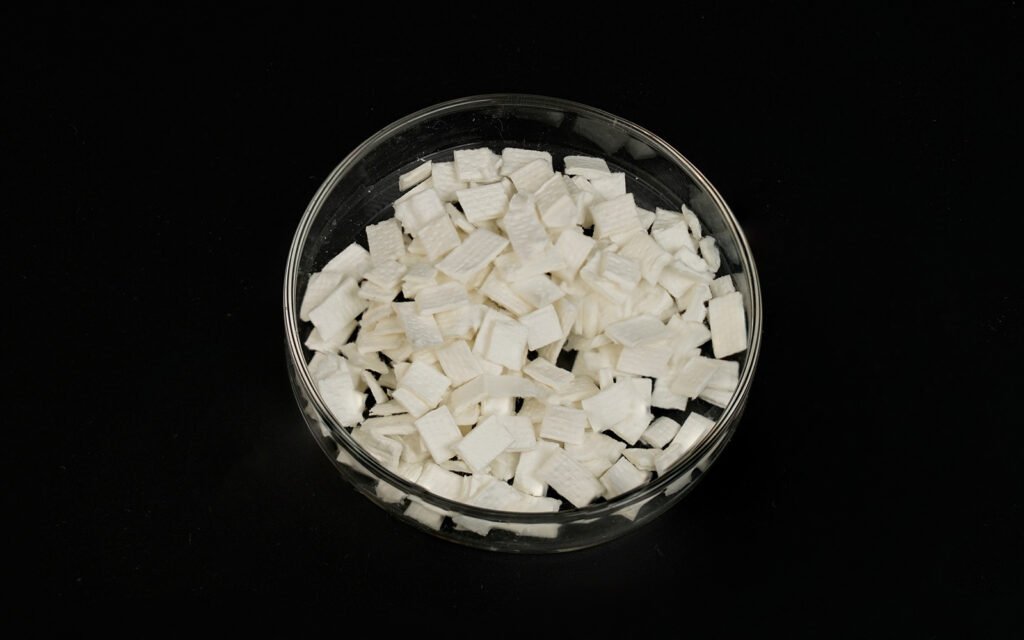
Cellulose fiber is a natural fiber derived from plants. It is made primarily from cellulose, which is the most abundant organic compound on Earth. This material forms the structural component of plant cell walls, giving plants their strength and rigidity.
In simple terms, cellulose fiber is a plant-based material that can be processed and used in a wide range of applications—from textiles and paper to food additives and construction materials.
Because it is renewable, biodegradable, and widely available, cellulose fiber is considered an environmentally friendly alternative to many synthetic materials.
2. Key Properties of Cellulose Fiber
Cellulose fiber has several unique properties that make it useful across industries. These properties are the reason it has remained relevant for centuries, even as new materials have been developed.
One of its most important characteristics is its high strength-to-weight ratio. Even though it is lightweight, cellulose fiber can provide excellent structural support.
It also has good moisture absorption. This means it can absorb water without dissolving, which is useful in both food and construction applications.
Another key feature is its biodegradability. Unlike synthetic fibers, cellulose fiber can break down naturally, making it a sustainable choice.
In addition, cellulose fiber offers:
- Good thermal insulation
- Chemical stability in many environments
- Non-toxicity and safety for human use
- Compatibility with other materials
These properties make it incredibly versatile and suitable for both industrial and consumer applications.
3. What Is Cellulose Fiber Made Of?
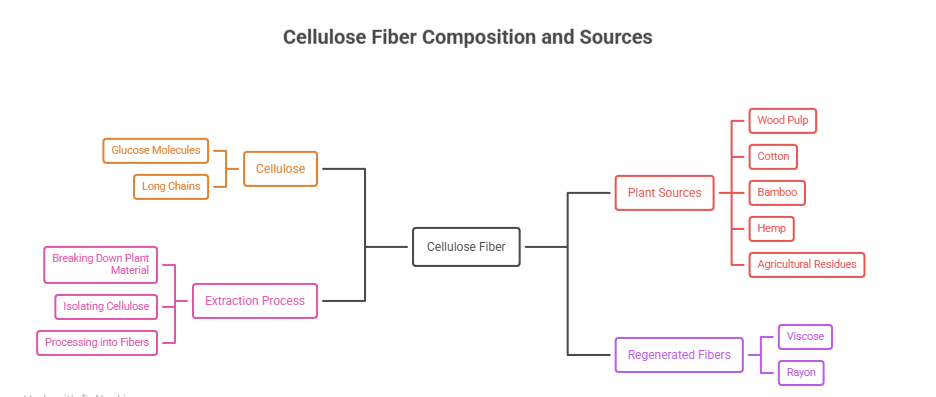
Cellulose fiber is made from natural plant sources. The main component is cellulose, a carbohydrate polymer composed of glucose molecules linked together in long chains.
These fibers are typically extracted from materials such as:
- Wood pulp
- Cotton
- Bamboo
- Hemp
- Agricultural residues (like straw or bagasse)
The extraction process involves breaking down plant material to isolate cellulose, which is then processed into fibers of different sizes and shapes depending on the intended use.
In some cases, cellulose is further modified to create regenerated fibers like viscose or rayon, which are commonly used in textiles.
Common Types of Cellulose Fiber
Cellulose fiber can be broadly divided into two main categories: natural cellulose fibers and processed (or regenerated) cellulose fibers.
Classification of Common Cellulosic Fiber Types
| Category | Fiber Types |
|---|---|
| Natural Seed Fibers | Cotton, Kapok |
| Natural Bast Fibers | Flax, Jute, Ramie, Hemp |
| Natural Leaf Fibers | Sisal, Abaca |
| Natural Fruit Fibers | Coir |
| Regenerated Cellulosic Fibers | Viscose, Modal, Lyocell, Cupro |
| Modified Cellulose Fibers | Cellulose Acetate, Cellulose Triacetate |
| Nano Cellulose Materials | CNC (Cellulose Nanocrystals), CNF (Cellulose Nanofibers), BC (Bacterial Cellulose) |
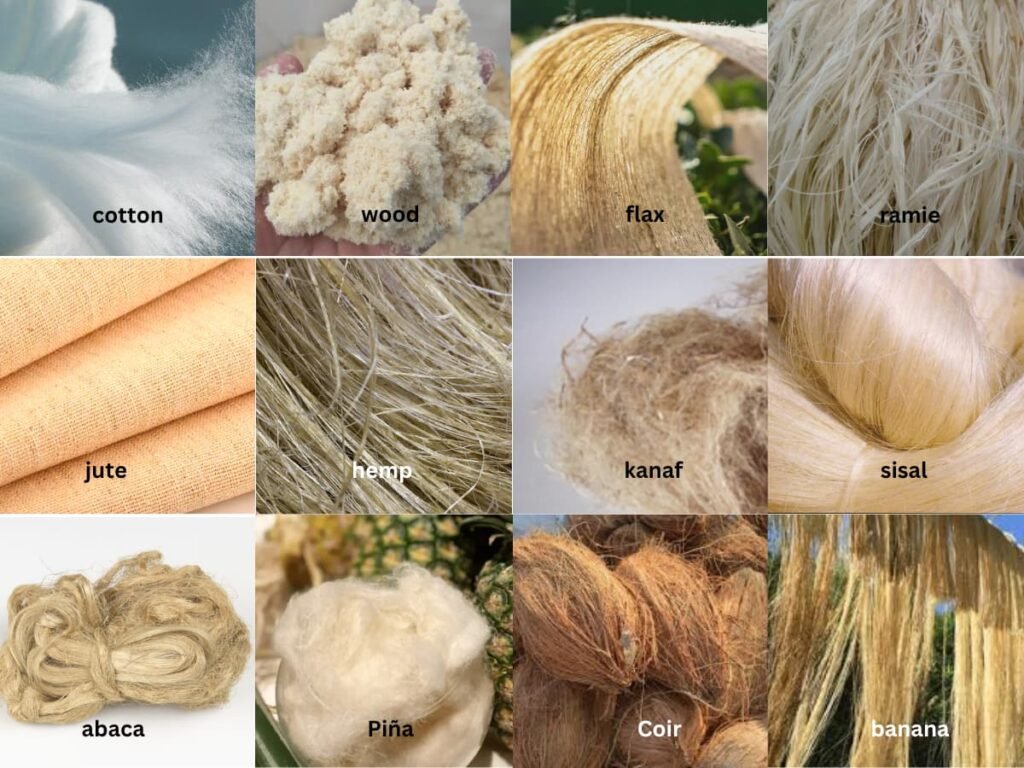
Natural Cellulosic Fibers
Natural cellulosic fibers come directly from plants. They retain their basic cellulose structure and are mainly processed through physical means rather than chemical reconstruction.
1. Cotton
Cotton is the most common natural cellulosic fiber, consisting of about 85–95% cellulose. It is widely used in textiles, medical gauze, and industrial filtration materials due to its softness, breathability, and absorbency.
2. Wood Fiber
Derived from softwood or hardwood, wood fiber serves as a major raw material for paper, boards, and composite materials.
3. Flax (Linen)
Flax fibers are strong, smooth, and highly breathable, making them ideal for premium textiles and fine linens.
4. Ramie
Ramie offers exceptional strength and natural resistance to bacteria, commonly used in apparel and industrial fabrics.
5. Jute
Jute is a coarse, low-cost fiber known for its durability. It is often used in ropes, carpets, and sacks.
6. Hemp
Hemp fibers are strong, sustainable, and eco-friendly. They are increasingly used in textiles and composite materials.
7. Kenaf
Kenaf is mainly applied in papermaking and automotive interior materials due to its high yield and versatility.
8. Sisal
Sisal fibers are valued for their high tensile strength and durability, commonly used in ropes and carpets.
9. Abaca
Abaca fibers are resistant to seawater, making them ideal for marine ropes and specialty papers.
10. Piña (Pineapple Fiber)
Extracted from pineapple leaves, piña fibers are fine and lustrous, often used in luxury fabrics.
11. Coir (Coconut Fiber)
Coir fibers are elastic and resilient, suitable for mattresses, brushes, and horticultural applications.
12. Cotton Linter
Cotton linter is a high-purity cellulose source obtained from short cotton fibers left on the seeds. It is primarily used to produce nitrocellulose and cellulose ethers.
13. Kapok
Kapok is a lightweight, hollow fiber used mainly as filling for cushions and bedding.
14. Bamboo Fiber
Bamboo fiber can exist as natural bamboo fiber or as regenerated bamboo pulp fiber, depending on the processing method.
15. Banana Fiber
Banana fiber, extracted from banana stems, offers good strength and sustainability, used in textiles and paper production.
16. Wheat Straw Fiber
Wheat straw fiber is an agricultural byproduct utilized in biocomposites and environmentally friendly materials.
Regenerated Cellulosic Fibers
Regenerated cellulosic fibers are made from natural cellulose sources—typically wood pulp or cotton linters—that are chemically dissolved and then reformed through spinning processes. These fibers combine the comfort of natural fibers with improved uniformity and processability.
1. Viscose Rayon
Viscose is the most traditional man-made cellulosic fiber. It has a soft touch, excellent moisture absorption, and is widely used across clothing, home textiles, and industrial applications.
2. Modal
Modal is a high-wet-modulus form of viscose with greater strength and stability. It is commonly found in underwear and premium fabrics for its silky feel and dimensional durability.
3. Lyocell
Lyocell fibers are produced through a solvent spinning process using NMMO (N-methylmorpholine N-oxide).
4. Cupro
Cupro fibers are produced by dissolving cellulose in a copper–ammonia solution. The resulting fibers are smooth, fine, and luxurious, often used in high-end linings and delicate garments.
5. High Wet Modulus Fiber
Also known as modified viscose, this fiber type offers improved wet strength and durability, bridging the performance gap between viscose and more advanced regenerated fibers.
What Is Cellulose Fiber Used For?
Cellulose fiber is incredibly versatile. Its applications span across multiple industries, from construction and food to textiles and pharmaceuticals.
1. Cellulose Fiber in Construction
In the construction industry, cellulose fiber is used to improve the performance of building materials, especially concrete and mortar.
When added to cement-based materials, cellulose fibers help reduce cracking by controlling shrinkage during drying. They also improve water retention, which enhances cement hydration and overall strength development.
In fiber-reinforced concrete, cellulose fibers act as a secondary reinforcement. While they may not replace steel fibers, they help improve durability, reduce surface defects, and enhance resistance to environmental stress.
Cellulose fiber is also used in insulation materials due to its thermal properties and eco-friendly nature.

2. Cellulose Fiber in Food Industry
In the food industry, cellulose fiber is widely used as a functional ingredient. It is often labeled as dietary fiber or food additive on ingredient lists.
One of its main roles is to improve texture and stability. For example, cellulose can prevent ingredients from separating in sauces, dressings, and dairy products.
It also acts as an anti-caking agent in powdered foods like spices, coffee creamers, and grated cheese. This helps keep products free-flowing and easy to use.
Another important use is as a low-calorie bulking agent. Because cellulose is not digested by the human body, it adds volume without adding calories. This makes it useful in reduced-fat and diet products.
Additionally, cellulose contributes to digestive health as a source of dietary fiber.
3. Cellulose Fiber in Textile Industry
Cellulose fiber has a long history in the textile industry. Natural fibers like cotton are among the most widely used materials for clothing.
These fibers are valued for their softness, breathability, and comfort. They absorb moisture well, making them ideal for everyday wear.
Regenerated cellulose fibers, such as viscose and lyocell, are also popular. They offer a silky feel and are often used as alternatives to synthetic fabrics.
Textiles made from cellulose fiber are generally more environmentally friendly than petroleum-based materials, especially when sourced and processed responsibly.
As sustainability becomes more important in fashion, cellulose-based textiles are gaining even more attention.
4. Cellulose Fiber in Papermaking and Packaging
Papermaking is one of the oldest and most important uses of cellulose fiber.
Paper is primarily made from wood pulp, which contains a high percentage of cellulose. During the papermaking process, fibers are separated, cleaned, and pressed into thin sheets.
The quality of paper depends largely on the properties of the cellulose fibers used. Longer fibers typically produce stronger paper, while shorter fibers create smoother surfaces.
Cellulose fiber is used in a wide range of paper products, including:
- Printing paper
- Packaging materials
- Tissue products
- Cardboard
With the growth of e-commerce and sustainable packaging, the demand for cellulose-based paper products continues to rise.
5. Cellulose Fiber in Pharmaceuticals
In the pharmaceutical industry, cellulose fiber plays a crucial role as an inactive ingredient, also known as an excipient.
It is commonly used in tablet formulations as a binder, filler, or disintegrant. This helps give tablets their shape and ensures they dissolve properly in the body.
One widely used form is microcrystalline cellulose (MCC), which provides excellent compressibility and stability.
Cellulose derivatives are also used in controlled-release drug formulations. They help regulate how quickly a drug is released, improving its effectiveness and safety.
In addition, cellulose is used in capsule shells, coatings, and even as a stabilizer in liquid medications.
Because it is non-toxic and biocompatible, cellulose fiber is considered safe for pharmaceutical use.
Final Thoughts
Cellulose fiber is a simple yet powerful material used across construction, food, textiles, and pharmaceuticals. Its natural origin, versatility, and eco-friendly profile make it an increasingly important choice in modern industries.
For businesses looking to improve performance while staying sustainable, selecting the right cellulose fiber is key. At Tenabrix, we provide reliable fiber solutions designed to support better results in real-world applications.
As industries continue to evolve, cellulose fiber will remain a smart and sustainable material for the future.